
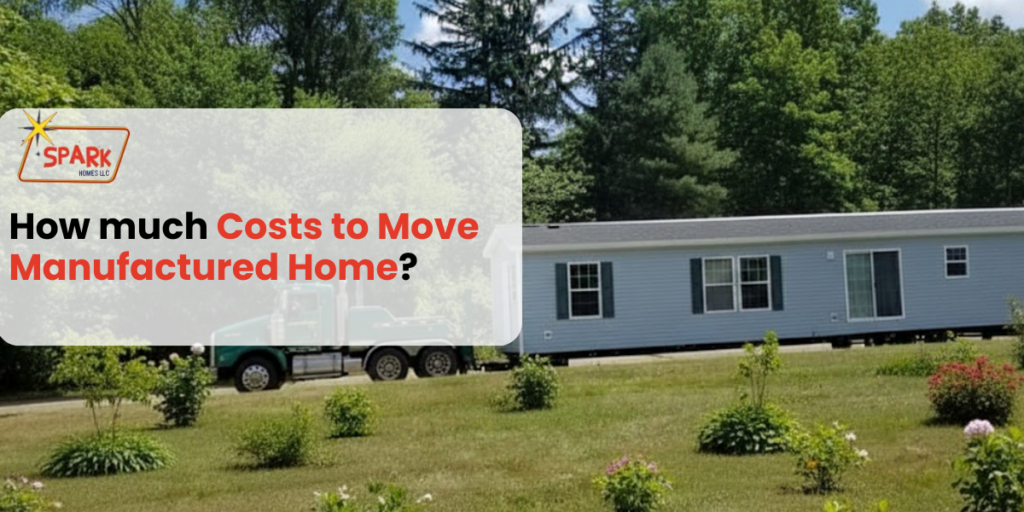
Moving a manufactured home is a major undertaking that’s very different from relocating a traditional house. These homes are built on permanent frames, heavier, and often wider than standard homes. The process requires specialized equipment, careful planning, and permits from local authorities. Every step from disconnecting utilities to preparing the new site adds time, labor, and cost.
Understanding the full scope of a manufactured home move helps homeowners make informed decisions. It ensures proper budgeting, avoids hidden fees, and allows you to choose the right professionals for a safe, efficient relocation.
This guide breaks down the factors affecting cost, provides real-world examples, and explains how to plan your move from start to finish.
Key Factors That Influence Moving Costs
Several elements influence the cost of relocating a manufactured home. Understanding these factors early helps homeowners plan realistically, avoid delays, and control unexpected expenses.
Home Size and Type
The size and type of your manufactured home are among the most significant cost drivers.
- Single-wide homes are narrower, easier to transport, and generally require only one truck, fewer permits, and less labor. They are simpler to move, making them more affordable.
- Double-wide homes are larger, heavier, and often need to be split into two sections for transport. Moving a double-wide involves multiple trucks, additional labor, and sometimes escort vehicles.
Example Costs:
- Single-wide home (14×70), short-distance: $3,000 – $5,500
- Double-wide home (28×60), medium-distance: $6,000 – $12,000
These ranges vary depending on route complexity, local regulations, and additional services.
Distance and Route Complexity
The distance between your current location and the new site has a direct impact on cost:
- Short moves (under 50 miles) are generally less expensive.
- Long-distance moves increase fuel, labor, and sometimes overnight transport costs.
Route complexity is another critical factor. Low bridges, narrow roads, sharp turns, steep terrain, and obstacles like trees or utility lines can require special permits, route modifications, or structural adjustments, which can significantly increase the total cost.
Permits and Regulations
Permits are legally required for moving manufactured homes. Depending on your location, these may include:
- Transportation permits for oversized loads
- Utility disconnection and reconnection approvals
Skipping permits may result in fines, delays, or legal issues. Working with professional movers ensures all permits are handled correctly.
Preparation and Setup
Before moving, your home must be disconnected from utilities, stabilized, and prepped for transport. At the new site, proper setup is essential, including:
- Placing the home on a foundation or blocks
- Leveling the structure
- Reconnecting utilities
Proper preparation ensures your home arrives safely and is ready for occupancy, avoiding structural damage or costly mistakes.
Additional Services
Certain optional services can increase the total moving cost:
- Temporary storage: Needed if your new site isn’t ready immediately
- Insurance: Protects against damage during transport
- Escort vehicles: Required for oversized loads or complex routes
- Special handling: Structural modifications or route-specific adjustments
Planning these services in advance prevents unexpected expenses.
Transparent Cost Estimates
When planning to move a manufactured home, understanding what your quote actually covers is essential. Many homeowners are surprised by extra costs that aren’t included in standard moving fees. Being clear on inclusions and exclusions helps you budget accurately and avoid unexpected charges.
What’s Typically Included
A professional moving service usually covers:
- Labor for loading and unloading: Skilled movers handle the heavy lifting and secure your home for transport.
- Standard transportation: The home is moved safely from your current location to the new site.
- Basic permits: Required local or state transportation permits are usually included for standard routes.
- Initial site setup: This may include placing the home on blocks or a temporary foundation and leveling it.
These inclusions cover the core aspects of the move and ensure your home reaches its new location safely.
What’s Typically Excluded
Manufactured home insurance is one of the most commonly overlooked items when reviewing a moving quote. Certain services are not always included in standard pricing and are often billed separately based on site conditions, distance, and route complexity. These may include:
- Foundation preparation and grading: Your new site may require leveling, digging footings, or laying a permanent foundation.
- Utility reconnections: Water, electricity, and sewer hookups are usually handled separately by licensed professionals.
- Insurance for transport damage: Some quotes don’t automatically include coverage for potential damage during the move.
- Special fees for oversized or difficult routes: Obstacles like narrow roads, low bridges, or tree removal can add extra costs.
Knowing these exclusions upfront prevents surprises and allows you to plan for the full scope of expenses.
Example Costs:
- Single-wide home (14×70), 50 miles:
- Base transport: $3,500
- Permits: $150
- Installation: $2,000
- Total: $5,650
- Double-wide home (28×60), 100 miles:
- Base transport: $9,000
- Permits: $300
- Installation: $4,500
- Total: $13,800
These examples show why it’s important to get detailed, transparent quotes. Prices can increase if your move involves complex routes, longer distances, or additional services.
Cost of Double-Wide vs Single-Wide Moves
Not all manufactured homes are equal when it comes to moving costs. One of the biggest differences comes down to whether your home is a single-wide or a double-wide. Double-wide homes are larger, heavier, and more complex to relocate, which makes the move more expensive.
Why Double-Wide Moves Cost More
Several factors contribute to higher costs for double-wide homes:
- Disassembly into Two Sections
Double-wide homes usually need to be separated into two transportable sections. This requires extra labor and careful handling to prevent damage during the move. - Coordination of Multiple Trucks and Escort Vehicles
Moving two large sections often requires more than one truck. In many cases, escort vehicles are also necessary to ensure safety on public roads, especially when transporting oversized loads. - Longer Installation Time at the New Site
Once the sections arrive at the destination, they must be reconnected, leveled, and secured properly. This takes longer than setting up a single-wide home, adding to labor costs.
Cost Comparison Example
Here’s a practical example showing the difference in costs between single-wide and double-wide moves:
| Home Type | Base Transport | Permits | Installation | Total Cost |
| Single-wide 14×70 | $3,500 | $150 | $2,000 | $5,650 |
| Double-wide 28×60 | $9,000 | $300 | $4,500 | $13,800 |
As you can see, a double-wide move can cost nearly double that of a single-wide, particularly for longer distances or complex routes.
Financing Options
Moving a manufactured home can be a significant investment, especially for double-wide homes or long-distance relocations. Many homeowners use financing to manage the cost and avoid paying a large lump sum upfront.
Loans for Manufactured Homes
Several banks and credit unions offer specialized loans specifically for manufactured homes. These loans often cover:
- Transportation costs
- Installation at the new site
- Site preparation, such as grading or foundation work
Financing through a bank or credit union can make a move more manageable by spreading the cost over several months or years. It’s important to compare different lenders to find competitive interest rates and terms that suit your budget.
VA Home Loan for Manufactured Homes
For veterans, a VA home loan manufactured is another excellent option. Eligible veterans can use VA loans to purchase or move a manufactured home. Benefits of using a VA loan include:
- Lower or no down payment requirements
- Favorable interest rates compared to conventional loans
- Flexible repayment terms that fit most budgets
Using a VA loan can make moving or upgrading to a larger manufactured home much more affordable while providing long-term financial stability.
Estimating Moving Costs
Before moving a manufactured home, it’s important to get a realistic idea of costs. While online calculators and cost estimators can help, they only provide rough estimates. A professional moving company can give the most accurate quote after inspecting your home, route, and site conditions.
Key Factors in Cost Estimators
Most manufactured home cost estimators consider several key factors:
- Home dimensions and type: Single-wide versus double-wide homes have different transport and installation requirements.
- Distance to the new site: Short moves are less expensive, while long-distance moves increase fuel, labor, and logistics costs.
- Permits and fees: Local or state permits for oversized loads can add several hundred dollars to the total cost.
- Installation costs: This includes leveling, foundation setup, and reconnecting utilities at the new site.
By inputting these factors, you can get a ballpark figure, but keep in mind that unique situations like difficult routes, obstacles, or custom installations can significantly affect the final price.
Average Moving Costs in Texas
Here’s a realistic look at moving costs based on home type and distance in Texas:
- Single-wide short-distance moves (under 50 miles): $4,000 – $6,000
- Double-wide medium-distance moves (50–150 miles): $8,000 – $13,000
- Long-distance moves (over 150 miles): $14,000+ depending on complexity, route, and additional services
These averages provide a reference for homeowners planning a move. The cost may be higher if permits, utility disconnections, or escort vehicles are required.
Common Mistakes That Increase Moving Costs
Even experienced homeowners can make mistakes when relocating a manufactured home. Avoiding these common pitfalls can save thousands of dollars and prevent major headaches.
- Attempting DIY Moves Without Proper Permits
Some homeowners assume they can move their home themselves to save money. Skipping required permits is risky and can lead to fines, legal trouble, or even halted transport. Professional movers understand the rules and secure all necessary approvals. - Underestimating Labor and Disassembly Requirements
Double-wide homes often need to be separated into two sections, while single-wide homes may require careful lifting and securing. Underestimating labor requirements can lead to delays, damage, and additional costs. - Not Planning the Route or Ignoring Obstacles
Low bridges, narrow roads, sharp turns, and utility lines are common obstacles. Ignoring them can lead to last-minute rerouting, extra labor, or structural damage. Route planning is critical to avoid costly surprises.
Benefits of Expert Moving Services
Hiring experienced professionals to move your manufactured home comes with numerous advantages. It’s an investment that ensures safety, compliance, and peace of mind.
- Compliance with Local, State, and Federal Regulations
Professional movers are familiar with transportation permits, safety standards, and utility requirements. They handle the paperwork and approvals to prevent fines or delays.
- Proper Handling of Structural Components
Manufactured homes are heavy and delicate. Professionals know how to lift, secure, and transport the home without causing structural damage.
- Safe and Efficient Transport
Moving companies have the equipment, experience, and crew to transport homes safely and on schedule. They minimize risks associated with long-distance or complex moves.
- Accurate Setup at the New Location
Professional installation includes leveling, stabilizing, and securing the home. Utilities can be properly reconnected, and your pre manufactured home is made move-in ready without any structural compromises.
Why DIY Moves Can Be Risky
Attempting a move yourself may seem cost-saving, but it comes with serious risks: fines, structural damage, delays, and potential accidents. Professional services protect your investment and provide a stress-free moving experience.
For a safe, efficient, and worry-free move, trust the experts at Spark Home Texas.
Frequently Asked Questions
How much does moving manufactured homes cost?
Most homeowners can expect to pay anywhere from a few thousand dollars up to $14,000 or more to move a manufactured home. Costs differ by home size, distance, permits, and whether you choose transport‑only or full‑service moving. In some cases, single‑wide homes cost less, while double‑wide and long‑distance relocations cost more.
Do I need permits to relocate a manufactured home?
Yes. Transporting a manufactured home typically requires oversized load permits, local permits, and possibly utility disconnection/reconnection approvals. Permits prevent legal issues, fines, and delays during the move. Experienced moving companies will help secure these permits for you.
What costs are usually included in a moving quote?
Quotes typically cover loading, transport, and basic site setup. Foundation work, utilities, and insurance may cost extra.
Can I move my manufactured home myself?
DIY moves are risky due to permits, regulations, and heavy equipment. Professionals ensure safety and compliance.
What factors increase the cost of relocating a home?
Long distances, larger homes, complex routes, extra services, and permits increase the total cost.
Conclusion
Moving a manufactured home requires careful planning, clear budgeting, and professional expertise. Costs are influenced by home size, distance, permits, site preparation, and additional services. Knowing these factors upfront helps homeowners avoid surprises and ensures a smooth relocation.
Working with experienced professionals also protects your investment and minimizes risks during transport and installation. Planning ahead saves money, reduces stress, and ensures your home is ready to enjoy.
For reliable, professional moving and installation services in Texas, trust Spark Home Texas. Our team offers transparent pricing, expert handling, and full support from start to finish. Call +1 830-251-2110 today for a personalized quote and move your home with confidence.