

Building a modular home offers a compelling alternative to traditional construction, especially for homeowners who prioritize time, quality, and convenience. Unlike conventional site-built homes that often stretch beyond nine months from foundation to move-in, modular homes typically follow a faster timeline. At Spark Homes Texas, our clients frequently enjoy spacious, personalized homes in as little as three to six months. This article explains the timeline in detail, from initial design to final inspection, helping you understand exactly what to expect and how to plan effectively.
Understanding The Modular Home Process
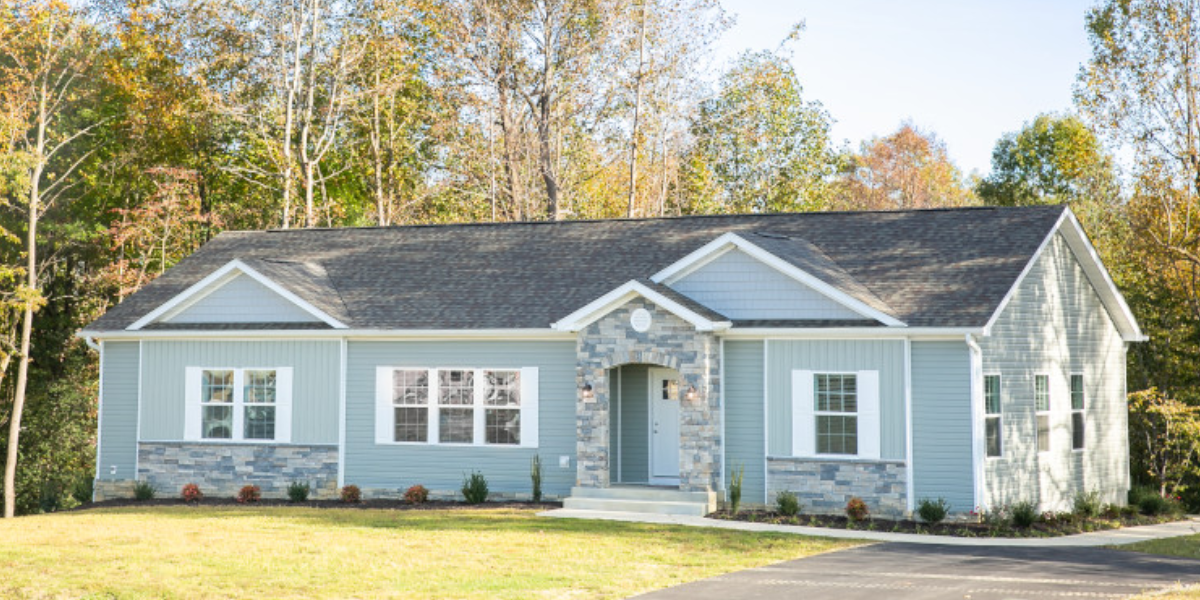
When you choose a modular home, the journey begins with design. You’ll evaluate floor plans, select materials, and confirm details like flooring, cabinetry, and finishes. This stage tends to take about four to twelve weeks, depending on how complex your choices are. Unlike traditional builds, your site can be prepared while modules are being constructed off-site, which allows for parallel workflows that significantly shorten overall build time. The bulk of the build then shifts to a factory environment, where consistent conditions and efficient assembly lines accelerate progress and streamline quality control.
Once modules are complete, they are transported to your property, usually taking one to four weeks depending on logistics, distance, and weather. On-site assembly and finish work covering everything from roofing and siding to HVAC and landscaping typically requires an additional four to eight weeks. Before you know it, final inspections are scheduled, utilities connected, and your new home is ready for move-in often in just a few months from groundbreaking.
Why Modular Homes Are Faster
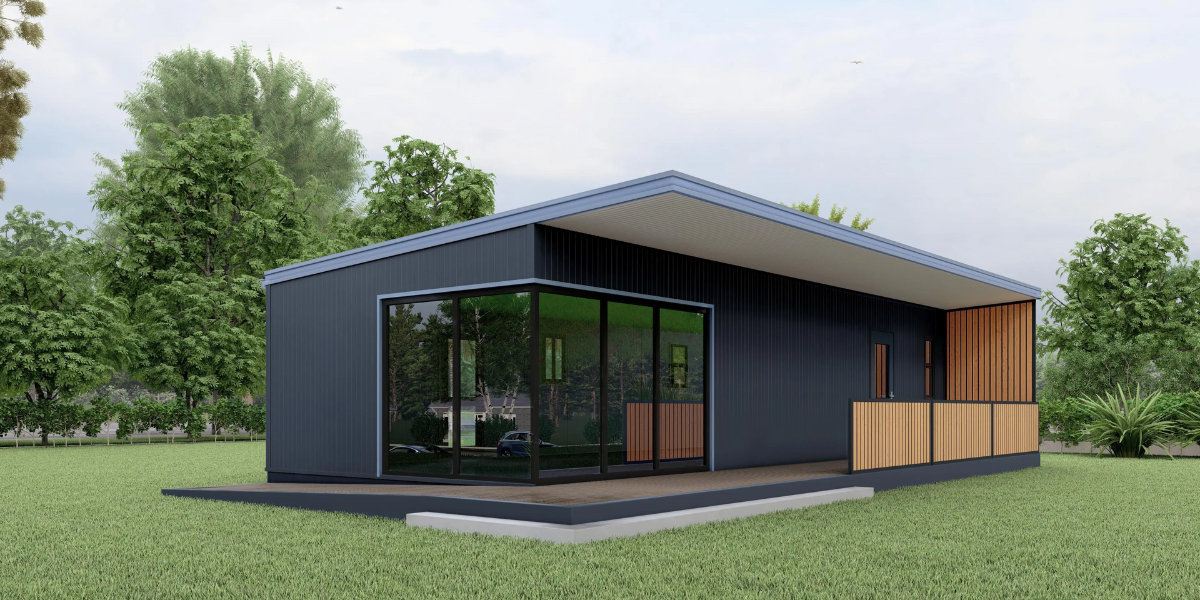
A key advantage of the modular building method lies in its efficiency. Traditional construction is vulnerable to seasonal weather, on-site labor challenges, and supply chain disruptions all factors that can drag a timeline into exceeding a year. Modular homes soar past these challenges. The controlled factory setting shields production from weather delays, precise systems minimize material waste, and simultaneous progress on-site and off-site shaves months off the process. At Spark Homes Texas, we leverage these benefits to offer reliable timelines, often completing homes in under six months.
Time Variances And Influencing Factors
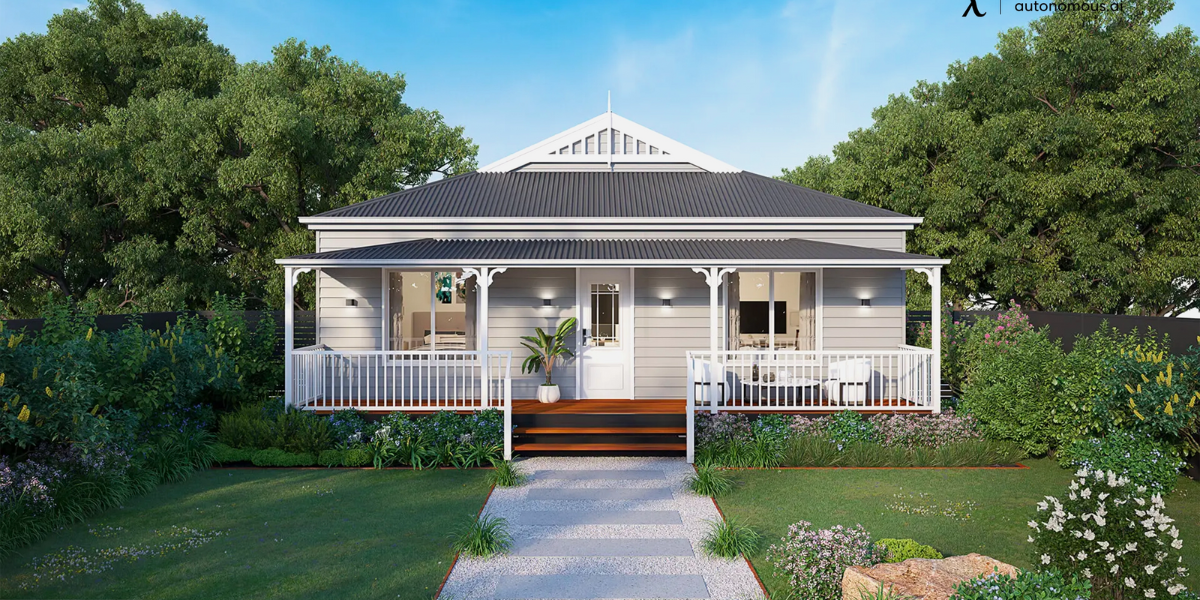
While most modular builds drift toward the three- to six-month range, several variables can affect the final timeline.
Customization choices like unique cabinetry, special layout requests, or high-end finishes can add weeks during the planning and fabrication stages.
Permit approvals are another hurdle: municipal review durations vary widely across jurisdictions. That’s why Spark Homes Texas submits permit applications early, working proactively with local authorities to ensure swift approvals.
Site characteristics such as grade, soil condition, or utility access also play a vital role. Preparing foundations on uneven terrain or resolving access challenges may stretch site prep by a few additional weeks.
Finally, timing plays a part: extreme weather events, road restrictions for oversized modules, and factory backlog are variables that could marginally extend the schedule from end to end.
The Typical Timeline: A Closer Look
A clear, month-by-month estimate helps you visualize the process:
Month 1–3 (Design & Permitting):
You finalize a floor plan and begin customizing materials. Simultaneously, your files are submitted for permitting approval.
Month 2–5 (Site Prep & Foundation):
While the factory begins module construction, your property is graded, utilities are brought to the site, and foundations are poured.
Month 3–7 (Factory Build):
Modules are meticulously built in the factory. Plumbing, electrical, framing, insulation, and interior prep happen quickly and efficiently under one roof.
Month 6–8 (Delivery & Assembly):
Modules are delivered, craned into place, and sealed together. Final on-site tasks include roofing connections, trim work, and steps.
Month 7–10 (Home Completion):
Siding, landscaping, and utility connections finish up. Multiple inspections confirm safety and compliance before move-in is authorized.
In ideal cases, Spark Homes Texas completes this process in 16 to 26 weeks. Clients frequently close in under six months, thanks to effective planning, factory efficiency, and transparent communication.
Benefits Of A Speedy Build
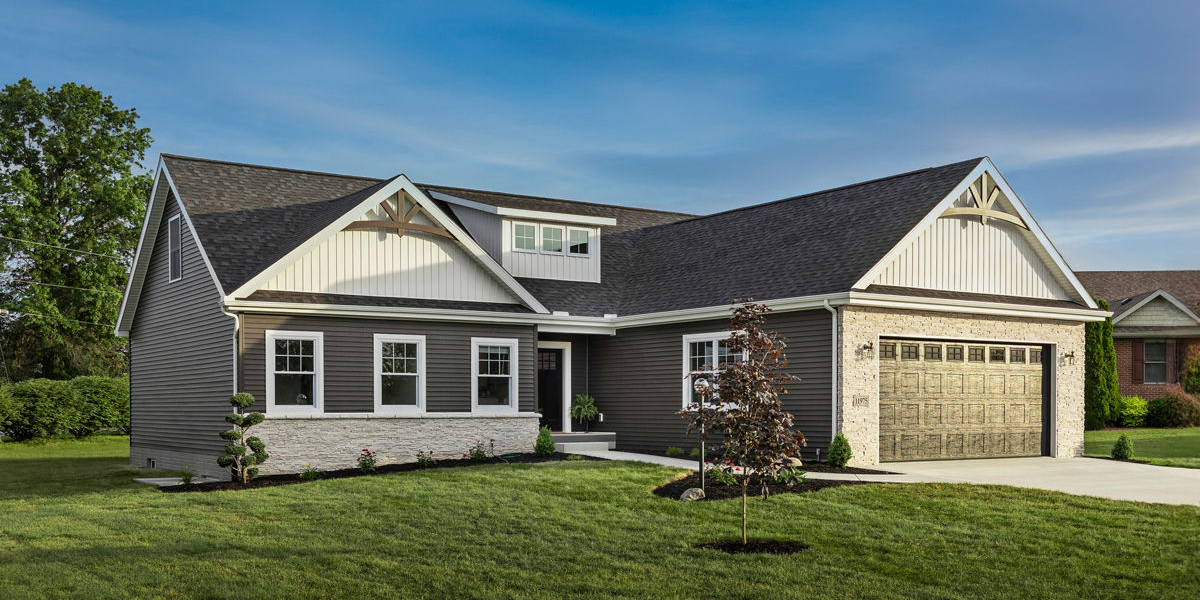
Choosing a modular home isn’t just about faster construction it comes with multiple added advantages:
-
Reduced carrying costs—you spend less on loans, temporary lodging, and labor due to shorter schedules.
-
Higher quality control—factory conditions enable better fit, finish, and performance standards.
-
Predictable timelines—you’re not left waiting for weather to cooperate or materials to arrive.
-
Less disruption—modular homes arrive mostly assembled, minimizing noise and mess on your property.
-
Improved sustainability—fabrication centers recycle materials more effectively than traditional sites.
These benefits combine to make modular construction an increasingly attractive path for homebuyers looking to build quickly without sacrificing quality.
Conclusion
Modular homes deliver both speed and quality. By combining off-site factory production with efficient on-site finishing, you can often move into your brand-new home in just three to six months from initial design all the way through final inspection. At Spark Homes Texas, we manage this process seamlessly, so you can enjoy a beautiful, energy-efficient, and code-compliant home faster than you ever expected. To begin your modular home journey or learn more about our process, call us at (830) 251‑2110 today.
FAQs
Can I customize a modular home?
Yes. You can customize floor plans, finishes, and fixtures. However, more customization may extend the design and factory phases slightly.
How long do permits usually take?
In Texas, typical permit timelines range from four to eight weeks. Spark Homes Texas submits documents early and tracks approval schedules to avoid delays.
Are modular homes as durable as traditional homes?
Absolutely. Modular homes adhere to the same building codes and often exceed them due to strict factory testing resulting in high-quality craftsmanship and lasting performance.
Can bad weather delay modular builds?
Most factory robotics aren’t influenced by weather. However, site-specific tasks like foundation pouring and services installation may be slowed down by extreme conditions.
Am I able to live on-site during the build?
No. We emphasize safety by starting construction only after all modules are delivered and basic inspection steps are complete.
How soon can financing begin?
Financing generally begins with permits and foundations. Many lenders offer construction-to-permanent loans tailored for modular projects.
Do modular homes appreciate in value?
Yes. Well-built modular homes often appreciate comparably to traditional homes, especially in markets where build quality and efficiency are valued.