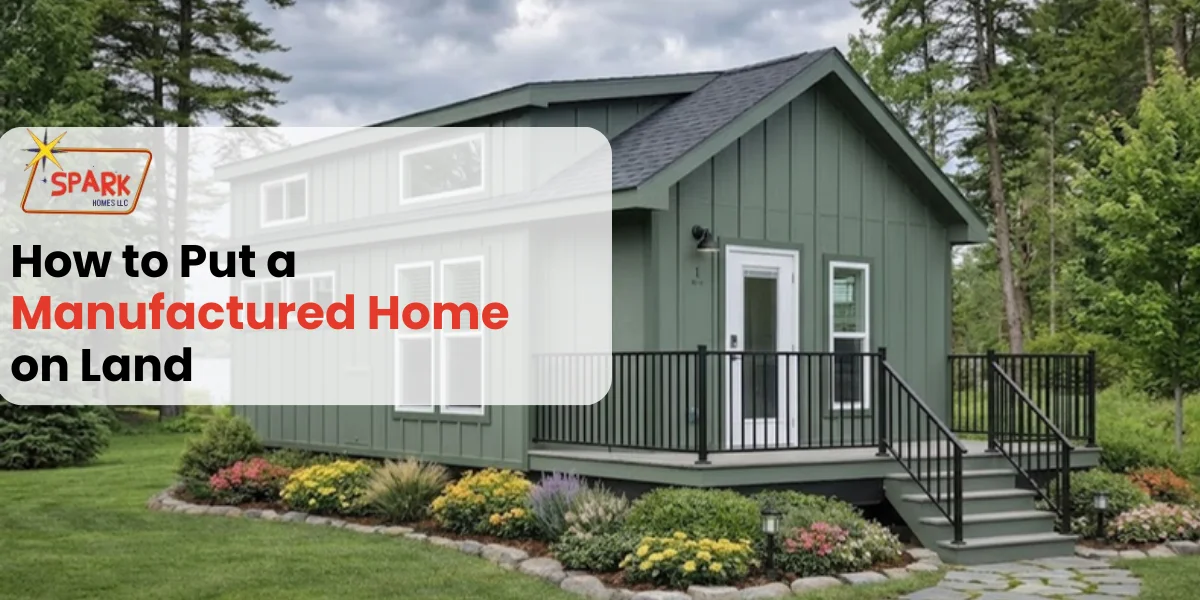
Buying a home is one of the most important investments you’ll make, and for many Texans, manufactured homes provide an affordable, flexible, and high-quality option. However, putting a manufactured home on land involves careful planning, preparation, and adherence to local regulations.
This guide covers everything you need to know from understanding land requirements, selecting the right home, planning layouts, preparing the site, navigating permits, and financing, to installation and maintenance. By the end, you’ll have a clear roadmap for placing your manufactured home successfully in Texas.
Understanding Land Requirements
The first step to putting a manufactured home on land is understanding what type of property is suitable. Not all land is automatically eligible for placing a manufactured home.
Zoning and Regulations
Each Texas county and city has zoning rules that determine whether manufactured homes are allowed on a specific lot. You’ll need to check with the local planning or zoning office to ensure your property meets requirements. Some areas may require minimum lot sizes, specific setbacks from the road or neighboring properties, and access to utilities.
Soil and Drainage
The soil type and drainage are critical to ensure your home remains stable. Clay soils, for example, can shift and cause foundation issues, while sandy soils may require extra reinforcement. A soil test or site evaluation by a licensed contractor can help you determine if the land is suitable.
Utilities and Accessibility
Make sure the land can support essential utilities like water, electricity, sewage, and internet. Some rural lots may require septic tanks or wells, which add to the initial cost and planning. Accessibility is also important—your home must be reachable by delivery trucks during installation.
Taking the time to understand these land requirements ensures that your home placement process is smooth and prevents future problems.
Choosing the Right Manufactured Home
Selecting the right home is crucial because it affects your comfort, maintenance, and long-term value. With modern manufacturing, you have many options, from compact small manufactured homes to luxury models.
Size and Layout
Determine the number of bedrooms and bathrooms needed. Consider your family’s lifestyle and future needs. Homes can range from one-bedroom cottages to 2- or 3-bedroom homes with spacious living areas.
Quality and Construction
Look for homes built with modern materials and Texas building codes in mind. High-quality construction reduces maintenance costs and helps the home retain value over time.
Best Manufactured Homes to Buy
When deciding which model to choose, research the best manufactured homes to buy in Texas. Consider homes with good energy efficiency, durable materials, and modern finishes. Top-rated homes often offer better warranty coverage and a higher resale value.
By carefully selecting the home that fits your needs and budget, you set the foundation for a long-lasting, comfortable residence.
Planning the Perfect Home Layout
Before installation, planning the home layout is essential. A well-thought-out layout ensures that the home is functional, efficient, and comfortable for daily living.
Interior Flow
Consider how rooms connect and whether there’s enough space for movement. Open floor plans often feel larger and make furniture placement easier.
Floor Plans for Your Family
Referencing perfect manufactured home floor plans for your family can help you visualize different arrangements. Floor plans should consider bedrooms, bathrooms, living areas, and storage spaces while maximizing natural light and airflow.
Outdoor Spaces
Think about porch placement, patios, and garden areas. Proper planning ensures that outdoor living spaces complement the home layout and improve lifestyle and property value.
Having a clear layout before installation reduces costly changes after your home is on the land.
Preparing the Land for Installation
Proper land preparation is one of the most important steps to ensure a safe, stable, and efficient installation.
Clearing and Leveling
Remove trees, shrubs, and debris from the site. Level the ground to prevent drainage issues and foundation problems. In some cases, soil may need to be compacted or reinforced to handle the home’s weight.
Foundation Options
Foundations vary based on home type and local regulations:
- Concrete Slab: Provides a permanent, stable foundation and reduces maintenance.
- Pier and Beam: Elevates the home off the ground and is common in rural areas, but may require additional anchoring.
- Crawl Space: Offers storage and access to utilities while keeping the home elevated.
Utility Connections
Ensure electricity, water, sewer, and gas are ready for connection. Sometimes trenches need to be dug to bring utilities to the site. Proper planning saves time and prevents delays during installation.
Landscaping
Incorporating landscaping ideas and tips for manufactured homes enhances curb appeal and property value. Simple features like flower beds, shrubs, and shade trees can make a significant difference in the home’s look and feel.
Permits and Legal Considerations in Texas
Placing a manufactured home legally requires permits and adherence to local regulations. Failing to get the proper approvals can result in fines or forced removal.
Building Permits
Most Texas counties require a permit before placing a manufactured home. Submit plans, pay fees, and allow inspections to confirm compliance with building codes.
Zoning Compliance
Ensure your land is zoned for residential use and specifically allows manufactured homes. Some communities may have additional requirements regarding home size, appearance, or foundation type.
HOA Rules
If the property is within a homeowner association, review their rules regarding exterior finishes, color schemes, and landscaping requirements. Adhering to HOA guidelines prevents disputes and maintains community harmony.
Getting permits and approvals upfront ensures a smooth installation and legal compliance.
Installation Process for Your Manufactured Home
Once the land is ready and permits are approved, the installation process begins.
Delivery
A professional team delivers the home to the site, often in sections. Accessibility and site preparation are critical to prevent damage during delivery.
Foundation Setup
The foundation is prepared according to the chosen type. Proper anchoring ensures stability and safety, particularly in areas prone to high winds or storms.
Utility Connections
Water, electricity, sewer, and gas are connected. This step may require licensed professionals to comply with local regulations.
Final Inspection
After installation, a final inspection ensures the home meets safety and building standards. Passing inspection is required to obtain a certificate of occupancy.
Following each installation step carefully guarantees your home is safe, stable, and ready for comfortable living.
Financing and Insurance Tips
Understanding financing and insurance options is crucial when placing a manufactured home on land.
Loan Options
- Conventional Mortgages: Available for homes on permanent foundations. Lower interest rates make them cost-effective.
- Chattel Loans: Required for homes on leased land. Higher rates reflect the personal property nature of the loan.
Insurance Considerations
Texas weather can be extreme, so proper coverage is essential. Insurance should cover:
- Wind and hail damage
- Flooding if the property is in a flood zone
- Fire and liability protection
Budgeting
Consider all upfront costs, including land preparation, foundation, utility hookups, and landscaping. Planning your budget avoids surprises and ensures your home is fully functional upon move-in.
Maintaining Your Home After Installation
Proper maintenance keeps your home safe, comfortable, and valuable.
- Roof and Exterior: Inspect for leaks, cracks, or siding issues.
- Plumbing and Electrical: Regular checks prevent costly repairs.
- Heating and Cooling Systems: Servicing HVAC systems prolongs life and efficiency.
- Interior Care: Flooring, cabinets, and appliances should be maintained to preserve value.
- Seasonal Preparations: Texas weather requires preparing the home for summer heat, storms, and occasional winter events.
Maintenance helps protect your investment and reduces the risk of depreciation over time.
Benefits of Installing on Owned Land vs Leased Land
Owning the land where your manufactured home sits provides several advantages:
- Equity and Appreciation: Land ownership increases long-term value.
- Flexibility: You can customize landscaping, build additions, or modify the home without restrictions.
- Resale Potential: Homes on owned land are more attractive to buyers than homes on leased lots.
While leased land can reduce upfront costs, ownership is generally better for financial security and long-term investment in Texas.
Frequently Asked Questions
What permits are required to place a manufactured home in Texas?
You’ll need building permits, zoning approvals, and sometimes HOA clearance, depending on your property.
Can I place a manufactured home on any type of land?
No. The land must meet zoning requirements, have proper soil stability, and access to utilities.
How do I prepare the land for installation?
Clear debris, level the site, prepare the foundation, and ensure utility hookups are ready.
Are manufactured homes more affordable than traditional homes?
Yes. They offer lower upfront costs while providing modern layouts and quality construction.
Should I buy land or lease a lot for my manufactured home?
Owning land is recommended for long-term value, flexibility, and better resale potential.
Final Thoughts
Placing a manufactured home on land in Texas requires careful planning, preparation, and attention to detail. Modern construction, quality materials, and proper site setup make these homes a safe, affordable, and valuable choice for families.
From selecting the right home and layout to preparing the land, securing permits, installing the home, and maintaining it afterward, each step contributes to long-term value and comfort. Homes on owned land in desirable areas tend to retain value well and provide flexibility for customization and expansion.
Working with Spark Homes Texas ensures you get professional guidance throughout the process, from land evaluation to installation and beyond. Contact Spark Homes Texas at +1 830-251-2110 to discuss your options, plan your project, and secure the perfect manufactured home for your family. With expert support, your manufactured home investment can be smooth, stress-free, and rewarding.