
Choosing a home in Texas requires understanding the differences between property types. One of the most important distinctions is whether a home is manufactured or site-built. This choice affects everything from financing and insurance to long-term maintenance and resale value.
Manufactured homes are factory-built and transported to the property, while site-built homes are constructed entirely on-site. Understanding manufactured homes prices, steps for manufactured homes, and how they differ from traditional builds helps you make an informed decision.
Spark Home Texas guides buyers throughout the process, offering expert advice on inspections, financing, and insurance to ensure your home meets your lifestyle and budget.
What Makes a Home Manufactured?
Manufactured homes are built under strict federal regulations in a factory setting, then delivered and installed at the property. Unlike site-built homes, they are often constructed in modules and follow standardized designs, though buyers can choose upgrades.
Signs of a manufactured home include:
- HUD certification label: Usually found near the door or utility area.
- Foundation type: Often pier and beam with skirting.
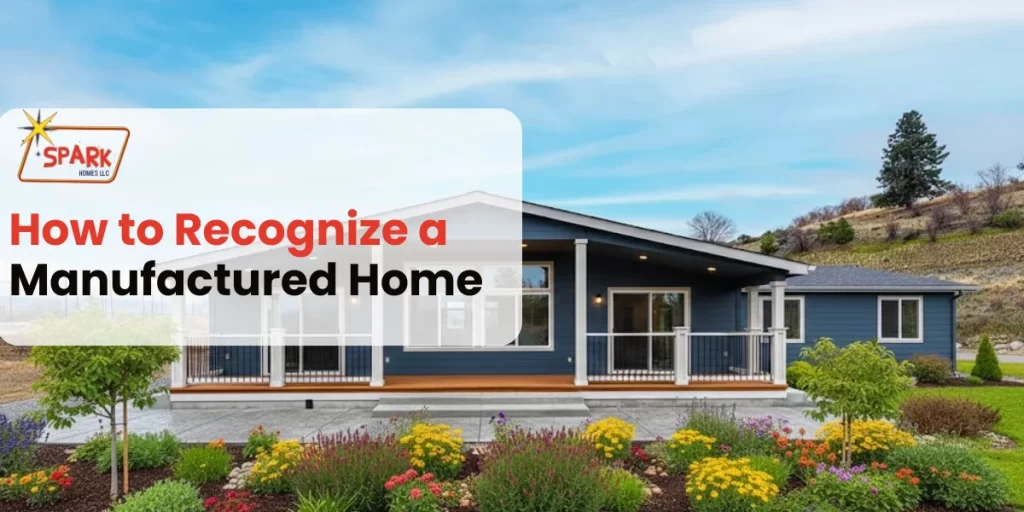
- Exterior features: Vinyl or metal siding, low-pitched roofs, and attached decks.
- Dimensions: Typically single-wide or double-wide, longer and narrower than most site-built homes.
These features help buyers and inspectors identify manufactured homes easily.
Legal Documentation and Verification
Beyond visual clues, proper documentation is essential. Before purchasing or financing a home, check:
- Property records: Local Texas appraisal districts indicate whether a home is manufactured.
- Title and loan documents: Lenders note the home type, especially for manufactured home loans.
- HUD certification: Confirms federal compliance and quality standards.
Physical Inspection Clues
Examining the property closely reveals details that may not be obvious from the exterior. A professional inspection is the best way to confirm whether a home is manufactured.
- Look for a visible chassis or axles, especially on older models.
- Check skirting and foundation attachment.
- Inside, examine ceiling heights, wall panels, and built-in fixtures; factory-built homes often have modular interior elements.
- Plumbing, electrical, and HVAC may differ from standard site-built homes.
Hiring a professional inspector familiar with manufactured homes in Texas is highly recommended for accurate evaluation.
Evaluating the Home’s Structure and Layout
When identifying a manufactured home, pay close attention to its structure and layout. Look for modular construction elements, roof pitch, ceiling heights, and the arrangement of rooms these often differ from traditional site-built homes. Noticing these features is an important part of the steps to buying a manufactured home, helping you confirm the home type and assess whether it meets your space, design, and lifestyle needs.
Additionally, check for factory-installed fixtures and built-in storage, which are common in manufactured homes. Understanding these details early ensures a smoother buying process and helps you avoid costly surprises..
Financing and Insurance Considerations
Financing and insurance differ for manufactured homes versus site-built homes. Manufactured homes often require specialized loans, including manufactured home loans, construction-to-permanent financing, and some FHA or VA-backed options. Insurance policies must cover transport, assembly, and modular-specific risks.
Site-built homes typically qualify for standard homeowner’s insurance and traditional mortgages. Spark Home Texas helps homeowners navigate these financial options, ensuring you choose the best plan for your budget and home type.
Common Mistakes When Identifying a Manufactured Home
Many buyers make assumptions that lead to errors when identifying manufactured homes. Common mistakes include
- Assuming any small or single-wide home is manufactured.
- Confusing modular homes with manufactured homes—they differ in construction and compliance.
- Overlooking HUD labels or local registration documents, which can affect financing and resale.
Being thorough helps avoid surprises and ensures a smooth purchase process.
Tips for Verifying a Manufactured Home in Texas
When checking a property, a step-by-step approach works best. Start with county property records or appraisal district data, then locate HUD labels and serial numbers. Review loan, title, and permit documents, and ask previous owners or builders for confirmation.
- Contact county records or appraisal district.
- Look for the HUD label and serial number.
- Review loan, title, and permit documents.
- Ask previous owners or builders for verification.
These steps provide peace of mind and protect your investment. Spark Home Texas can assist in all verification steps for a smooth buying process.
Comparing Manufactured and Site-Built Homes
Choosing the right home depends on your budget, lifestyle, and long-term goals. Manufactured homes and site-built homes differ in construction, cost, customization, and maintenance.
| Feature | Manufactured Homes | Site-Built Homes |
| Construction | Factory-built, transported to site | Built entirely on-site |
| Timeline | Weeks | Months |
| Cost | Lower upfront | Higher upfront |
| Customization | Standard layouts with optional upgrades | Full architectural flexibility |
| Size | Ideal for smaller families | Large families, multi-story options |
| Maintenance | Requires attention to foundation, skirting | Routine structural, plumbing, and exterior maintenance |
| Resale Value | Modern upgrades improve value | Generally higher long-term resale |
Manufactured homes are ideal for buyers seeking affordable, fast-moving, and energy-efficient homes, while site-built homes suit those wanting maximum customization, long-term durability, and higher resale potential.
Energy Efficiency and Modern Upgrades
Modern manufactured homes often include energy-efficient features that reduce long-term utility costs. Advanced insulation, energy-saving HVAC systems, and LED lighting help homeowners save money. Many buyers also select upgrades like modern kitchens, smart home systems, and premium flooring, giving manufactured homes a contemporary feel. These features not only lower bills but also enhance comfort and resale value. Choosing energy-efficient upgrades early can make a big difference in long-term living satisfaction.
Long-Term Maintenance Considerations
Owning a manufactured home requires regular maintenance to protect your investment. Routine checks on the foundation, skirting, roof, plumbing, and electrical systems are essential. While site-built homes have traditional maintenance schedules, manufactured homes benefit from preventive care to ensure durability and longevity. Regular inspections of HVAC, plumbing, and exterior finishes help avoid costly repairs and maintain the home’s value over time. Staying proactive with maintenance also ensures safety and comfort for all occupants.
Frequently Asked Questions
How can I tell if a home is a manufactured home?
Check for a HUD certification label, foundation type, exterior features, and property records. A professional inspector can confirm the classification.
Are manufactured homes cheaper than site-built homes?
Yes, manufactured homes typically have lower upfront costs, but upgrades can affect the price.
Can I get financing for a manufactured home in Texas?
Yes. Options include manufactured home loans, construction-to-permanent loans, and some FHA/VA-backed financing.
Do manufactured homes require special insurance?
Yes. Specialized policies cover transport, assembly, and modular-specific risks. Site-built homes usually qualify for standard homeowner’s insurance.
Can I customize a manufactured home?
Absolutely. Many builders allow buyers to choose layouts, finishes, and optional features.
How long do manufactured homes last?
Modern manufactured homes, when maintained properly, can last decades and provide durable living solutions.
Are tiny homes built on site the same as manufactured homes?
Not necessarily. Tiny homes built on site are constructed entirely on the property, while manufactured homes are built in a factory and transported.
Conclusion
Identifying whether a home is a manufactured home is critical in Texas. From inspections and documentation to financing, insurance, energy efficiency, and maintenance, knowing the home type ensures you make informed choices and avoid costly surprises.
Manufactured homes offer affordability, faster construction, and modern layouts, while site-built homes provide flexibility, long-term durability, and higher resale potential.
At Spark Home Texas, we guide homeowners through verifying, financing, and maintaining custom manufactured homes. Our expertise ensures your Texas home purchase is secure, efficient, and perfectly suited to your needs.
📞 Call Spark Home Texas at +1 830‑251‑2110 today to start your home buying journey with expert guidance at every step. Trust Spark Home Texas to make your Texas home dream a reality.