
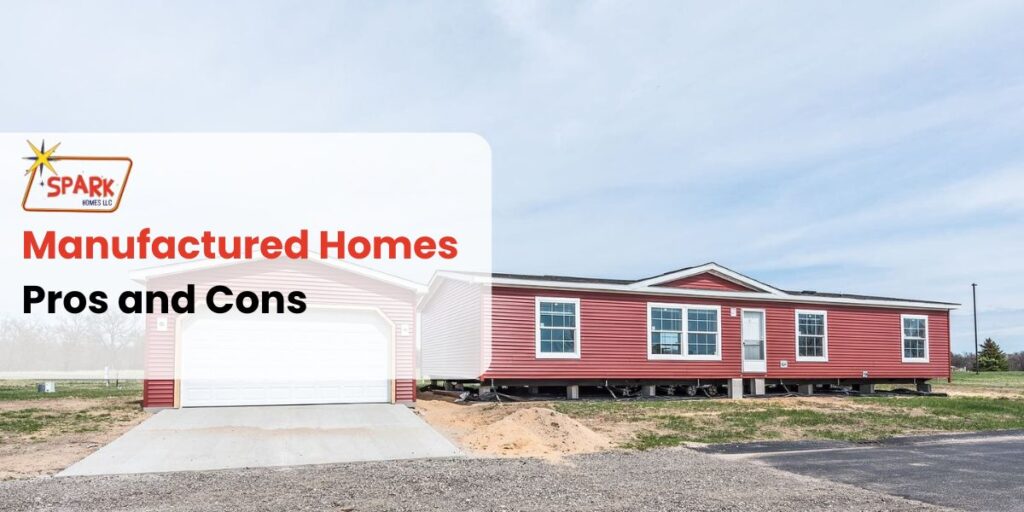
Buying a home is one of the biggest financial and emotional decisions anyone can make. With rising housing prices and limited inventory in many real estate markets, more people are looking toward alternative housing options that are both affordable and practical. One such option is manufactured homes. These homes have grown in popularity over the years because they offer comfort, affordability, and flexibility. However, like any major purchase, they come with both advantages and disadvantages. Understanding the full range of manufactured homes pros and cons can help you make an informed choice about whether this type of housing is right for you.
What Are Manufactured Homes?
Manufactured homes are residences that are built in factories rather than being constructed piece by piece on-site. Once they are completed, they are transported to the property where they will be placed, either on privately owned land or within a manufactured home community. This process sets them apart from traditional homes, which are typically built directly on the lot. Manufactured homes are built according to strict federal codes overseen by the U.S. Department of Housing and Urban Development (HUD). These regulations ensure a certain level of quality, durability, and safety.
Over the decades, manufactured homes have advanced significantly in both construction and design. Early models were often seen as low-cost, temporary housing. But today’s manufactured homes are far more sophisticated. Many look nearly identical to traditional site-built houses, with features like pitched roofs, open floor plans, energy-efficient materials, and stylish interiors. For many buyers, this combination of affordability and comfort is appealing, especially when they want to achieve the dream of homeownership without the massive financial burden.
The Advantages of Manufactured Homes
Affordability
The most significant advantage of manufactured homes is affordability. Compared to site-built houses, manufactured homes cost significantly less per square foot. For families, retirees, and individuals who want to own a home but are priced out of the traditional housing market, manufactured homes provide a realistic option. The savings come largely from the controlled factory production process, which minimizes waste and reduces labor costs.
Faster Construction and Move-In
Manufactured homes can be built in a fraction of the time it takes to construct a traditional home. Since they are made in a factory environment, weather delays are not an issue. This means homeowners can move into their new residence much faster, sometimes within weeks rather than months. For those who need housing quickly, this speed is a huge benefit.
Customization Options
Modern manufactured homes offer plenty of customization. Buyers can often choose from different floor plans, kitchen designs, bathroom layouts, and finishes. This makes it possible to create a home that feels personalized rather than generic. Many manufacturers also offer upgrades such as energy-efficient appliances, smart home features, and luxury finishes that rival those of traditional homes.
Energy Efficiency
Today’s manufactured homes are often designed with energy efficiency in mind. Better insulation, efficient HVAC systems, and energy-saving windows make them more cost-effective to operate. Homeowners can benefit from lower utility bills, which is particularly appealing as energy costs continue to rise.
Flexibility in Location
Manufactured homes can be placed on private land or in dedicated communities. Those who want privacy and independence may choose to place their home on land they own, while others may prefer the convenience of a community with amenities and services. This flexibility is a strong advantage because it allows buyers to select a living arrangement that suits their lifestyle.
Community Living
Many manufactured home communities offer amenities like clubhouses, swimming pools, and social activities. For retirees or families looking for a close-knit neighborhood, these communities can provide a sense of belonging and security. The social benefits of living in a community should not be underestimated.
The Disadvantages of Manufactured Homes
Financing Challenges
One of the main drawbacks of manufactured homes is financing. Unlike traditional houses, they may not always qualify for conventional mortgages. Buyers often need to apply for specialized loans, such as chattel loans, which may come with higher interest rates and shorter repayment terms. This can make purchasing a manufactured home less financially attractive in the long run.
Land Ownership Complications
If you do not own the land where your manufactured home will be placed, you will likely need to pay rent for the lot in a community. This means that while you own the structure itself, you are still dependent on someone else for the land. Rising rental costs can become a burden, and if the community owner decides to sell the land, it could create significant complications.
Depreciation in Value
Unlike traditional homes, which often increase in value over time, manufactured homes typically depreciate. This can make them less appealing for buyers who view their home as a long-term investment. While there are exceptions such as homes placed on owned land that are well-maintained the overall trend is depreciation rather than appreciation.
Stigma and Perception
Despite improvements in quality and design, manufactured homes still carry a certain stigma. Some people continue to associate them with lower-income housing or temporary solutions. This perception can impact resale value and make it harder to sell when the time comes.
Durability Concerns
Although modern manufactured homes are built to HUD standards, they may not always be as durable as site-built homes, especially in areas with extreme weather conditions. Improper installation can also reduce the lifespan of the home. Regular maintenance is necessary to ensure long-term livability.
Living Experience in a Manufactured Home
For many people, living in a manufactured home is a positive experience. The homes can be comfortable, stylish, and practical, offering the same sense of ownership as traditional housing. Families enjoy the ability to own their own space, while retirees often appreciate the affordability and low-maintenance lifestyle.
Communities designed for manufactured homes often create a welcoming environment. Many offer planned social activities, security features, and shared amenities that enhance quality of life. In this way, manufactured homes are not just a place to live but also an opportunity to be part of a community.
Long-Term Costs and Value
While the initial cost savings are substantial, it is important to look at the bigger financial picture. Manufactured homeowners must factor in expenses such as lot rent (if applicable), insurance, utilities, and maintenance. Additionally, because manufactured homes usually depreciate, they may not build equity in the same way as site-built homes.
Insurance can also vary. Some providers charge higher premiums for manufactured homes, while others offer specialized coverage. Doing research to find the best policy is crucial to protect your investment.
Are Manufactured Homes Right for You?
Choosing a manufactured home depends on your financial situation, lifestyle, and long-term goals. If affordability and speed are your top priorities, they can be an excellent option. They also work well for people who value flexibility in location and customization. However, if building equity and long-term investment potential are your primary goals, a traditional site-built home may be a better choice.
Conclusion
Manufactured homes offer both opportunities and challenges. On the one hand, they are affordable, customizable, and energy-efficient, making them attractive to a wide range of buyers. On the other hand, financing hurdles, land ownership issues, and depreciation are important drawbacks to consider. By weighing the manufactured homes pros and cons, you can decide whether this type of housing matches your needs and goals.
At Spark Homes, we understand how important this decision is, and we are here to guide you through every step of the process. Whether you are exploring your first home purchase or considering downsizing, our team can provide the insight and support you need. To learn more about manufactured homes and how they may fit your lifestyle, contact us today at +1 830-251-2110.
Frequently Asked Questions
Do manufactured homes appreciate in value?
Most manufactured homes depreciate, although homes on owned land with good maintenance can hold value better.
Are manufactured homes safe in storms?
Yes, modern manufactured homes are built to federal safety standards, but proper installation is critical for durability.
Can I finance a manufactured home with a traditional mortgage?
In many cases, buyers need specialized loans, though certain lenders do offer mortgage options if the home is on owned land.
Can I remodel a manufactured home?
Yes, many manufactured homes can be remodeled or upgraded, but certain structural changes may be limited.
Where can I place a manufactured home?
They can be placed on private land you own or within a managed manufactured home community.