
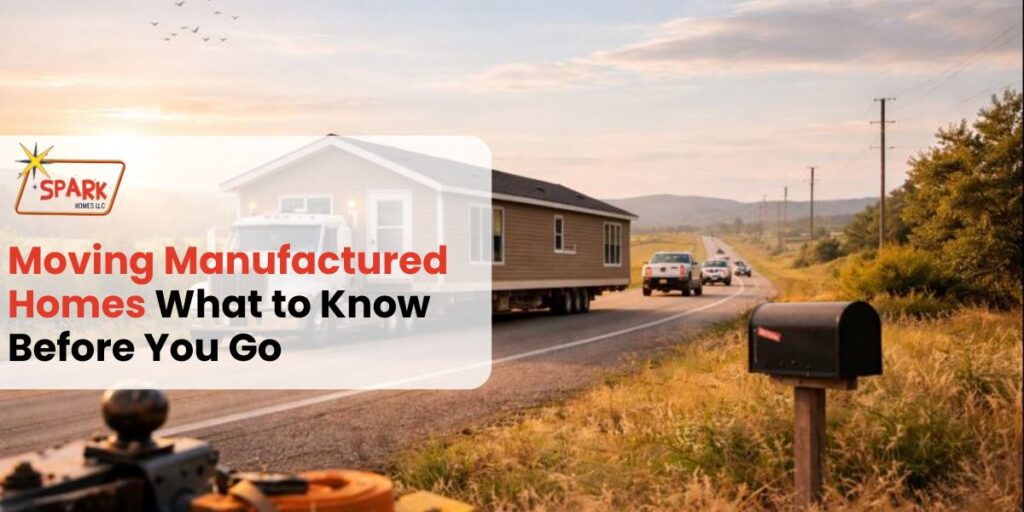
Moving a manufactured home is a major decision that involves planning, legal awareness, budgeting, and the right professional support. Many homeowners assume that relocating a manufactured home is similar to moving furniture or even a traditional house, but the reality is far more complex. Manufactured homes are built differently, regulated differently, and transported under strict rules that vary by state and county.
Understanding what is involved before you move can save you from unexpected costs, legal delays, and structural damage. Whether you are relocating within the same city or moving across Texas, preparation is the key to a smooth and stress-free process.
This guide explains everything you need to know before moving a manufactured home. It covers permits, costs, transportation logistics, foundation issues, insurance, and common mistakes homeowners make. If you want to protect your investment and avoid unnecessary problems, reading this guide before you move is essential.
Understanding What Moving a Manufactured Home Really Means
Moving a manufactured home is not a simple tow down the highway. It is a highly regulated process that involves disassembling parts of the home, preparing it for transport, and ensuring compliance with state and federal laws. Manufactured homes are designed to be transportable, but that does not mean they can be moved without professional expertise.
The size, age, and condition of your home play a major role in determining whether it can be moved safely. Older homes may not meet current HUD standards, and some may require upgrades before they are legally allowed on the road. Double-wide and triple-wide homes require separation into sections, which adds complexity and cost.
Before making any plans, it is important to understand that moving a manufactured home is both a construction project and a transportation project. Treating it as such will help you make better decisions from the beginning.
Why People Choose to Move Manufactured Homes
Homeowners choose to relocate manufactured homes for many reasons. Some want to move closer to family or work. Others are relocating to a new community or placing their home on private land. In some cases, manufactured homes must be moved due to land sales, park closures, or zoning changes.
In Texas, land ownership opportunities often make relocation a smart financial decision. Instead of selling a home at a loss, many owners choose to move it to a new location where they can gain long-term value. Manufactured home relocation also allows homeowners to avoid purchasing a new unit, which can be significantly more expensive than moving an existing one.
Understanding your reason for moving helps guide decisions related to budgeting, timelines, and site preparation.
Can Every Manufactured Home Be Moved
Not all manufactured homes are eligible for relocation. The age of the home is a critical factor. Homes built before the HUD code went into effect in 1976 may not be permitted to move or be installed in certain areas. Even newer homes must meet structural and safety requirements.
The condition of the frame, axles, and chassis is also essential. Rusted frames, damaged flooring, or compromised walls can make moving unsafe or impossible. A professional inspection is often required before transport approval.
Local zoning laws may also restrict placement, even if the home itself is in good condition. Some communities have minimum size, age, or aesthetic requirements that must be met before installation is approved.
Permits and Legal Requirements You Must Know
Permits are one of the most overlooked aspects of moving manufactured homes. Transportation permits are required to move oversized loads on public roads. These permits specify approved routes, travel times, and escort requirements.
Installation permits are also required at the destination site. These permits cover foundation construction, utility hookups, and anchoring systems. Failure to secure the correct permits can result in fines, delays, or forced removal of the home.
Texas regulations require licensed installers and transporters for manufactured homes. Working with unlicensed operators can void warranties and insurance coverage. Always verify credentials before signing any agreement.
How Far Can a Manufactured Home Be Moved
Distance plays a major role in determining whether moving a manufactured home is practical. Short-distance moves are generally more cost-effective and lower risk. Long-distance moves increase exposure to road hazards, weather conditions, and transportation costs.
In some cases, moving a home long distance can cost nearly as much as purchasing a newer unit. This is why cost comparisons are essential before committing to relocation. Factors such as fuel, escort vehicles, and overnight storage all contribute to total expenses.
Despite the challenges, long-distance moves are possible with proper planning and experienced professionals.
Understanding the True Cost of Moving a Manufactured Home
The cost of moving a manufactured home varies widely depending on size, distance, permits, and site preparation. Single-wide homes are generally less expensive to move than double-wide or triple-wide units.
Expenses often include disconnection of utilities, skirting removal, axle and tire installation, transportation fees, escort vehicles, permits, foundation installation, and reinstallation services. Additional costs may arise if repairs are required before transport.
Many homeowners underestimate these costs, which can lead to financial stress mid-project. Requesting a detailed written estimate helps prevent surprises and allows for better budgeting.
Preparing Your Manufactured Home for Transport
Preparation is a critical step that directly impacts safety and cost. Before transport, all personal belongings must be removed from the home. Cabinets, doors, and windows are often secured to prevent movement during transit.
Exterior components such as porches, decks, and carports must be removed. Skirting is taken off, and the home is lifted onto transport equipment. Axles, wheels, and hitch components are installed as needed.
A thorough inspection ensures the home is structurally sound for the journey. Addressing issues early helps prevent damage during transport.
Choosing the Right Moving Company
Selecting the right professionals is one of the most important decisions you will make. Manufactured home movers require specialized equipment, licensing, and experience. Not all moving companies are qualified to handle these projects.
Look for movers who specialize in manufactured housing and understand local regulations. Ask about insurance coverage, references, and experience with similar homes. A reputable mover will explain the process clearly and provide transparent pricing.
Avoid choosing based solely on the lowest quote. Poor workmanship can result in costly repairs or permanent damage to your home.
Site Preparation at the New Location
Preparing the destination site is just as important as preparing the home itself. The land must be graded and leveled to meet installation requirements. Soil conditions play a role in foundation design and anchoring systems.
Utilities such as water, sewer, electricity, and gas must be available and properly connected. Driveway access and clearance for transport vehicles must also be considered.
Failure to prepare the site properly can delay installation and increase costs. Coordinating site work in advance helps ensure a smooth transition.
Foundation and Anchoring Requirements
Manufactured homes must be installed on approved foundations that meet local building codes. These foundations provide stability, safety, and long-term durability. Options vary depending on soil conditions and local regulations.
Anchoring systems are required to protect the home from wind and shifting soil. Improper anchoring can result in structural damage and insurance issues.
A licensed installer ensures compliance with all foundation and anchoring requirements, which is essential for long-term safety and resale value.
Insurance Considerations During the Move
Insurance coverage during transport is often misunderstood. Standard homeowner insurance may not cover damage during relocation. Specialized transit insurance is usually required to protect against accidents, weather damage, or theft.
Confirm coverage details with both your mover and insurance provider before transport begins. Understanding liability responsibilities helps avoid disputes if damage occurs.
Protecting your investment during the move is not optional. It is a necessary step in responsible homeownership.
Common Mistakes to Avoid When Moving a Manufactured Home
One common mistake is underestimating the complexity of the process. Manufactured home relocation involves coordination between movers, installers, inspectors, and permit offices.
Another mistake is skipping inspections or repairs before transport. Small issues can become major problems once the home is on the road.
Failing to plan site preparation and utilities often leads to delays and added expenses. Careful planning helps avoid these issues and keeps the project on track.
How Long Does the Moving Process Take
The timeline for moving a manufactured home varies based on distance, permits, weather, and site readiness. Short moves may take a few days, while longer relocations can take several weeks from start to finish.
Permit approval alone can take time, especially during peak seasons. Weather conditions can also cause delays, particularly during heavy rain or high winds.
Understanding realistic timelines helps reduce stress and allows for better coordination with movers and installers.
Is Moving a Manufactured Home Worth It
Determining whether moving a manufactured home is worth it depends on individual circumstances. Factors such as the home’s condition, relocation distance, and future land value all play a role.
In many cases, relocation makes financial sense, especially when moving to owned land or a better community. However, if costs approach the value of the home, alternative options may be worth considering.
A detailed cost-benefit analysis helps homeowners make informed decisions based on long-term goals.
Long-Term Value After Relocation
A properly moved and installed manufactured home can retain or even increase its value. Location plays a significant role in resale potential and quality of life.
Homes placed on well-prepared land with proper foundations and utilities offer greater stability and appeal. Compliance with all regulations also protects against future legal issues.
Relocation done correctly is not just about moving a structure. It is about setting the foundation for long-term comfort and security.
Final Thoughts Before You Move
Moving a manufactured home is a significant undertaking that requires knowledge, planning, and professional support. Understanding legal requirements, costs, and preparation steps helps avoid costly mistakes.
Taking the time to plan every stage of the process ensures a smoother experience and protects your investment. With the right approach, relocating a manufactured home can be a smart and rewarding decision.
Conclusion
Moving a manufactured home is a complex process that requires expert planning, legal compliance, and professional execution. When done correctly, it can provide long-term value, flexibility, and peace of mind.
If you are considering relocating your manufactured home and want guidance you can trust, Spark Homes Texas is here to help or Call us at +1 830-251-2110.
Frequently Asked Questions About Moving Manufactured Homes
Can I move my manufactured home by myself?
No. Manufactured homes require licensed professionals, specialized equipment, and permits. Attempting to move a home without proper authorization is unsafe and illegal.
How much does it usually cost to move a manufactured home
Costs vary widely depending on size, distance, and site preparation. Single-wide homes cost less than double-wide homes, and short moves are more affordable than long-distance relocations.
Do I need permits to move a manufactured home?
Yes. Transportation permits and installation permits are required. These permits ensure legal compliance and safety during transport and setup.
Can older manufactured homes be moved?
Some older homes can be moved, but many face restrictions. A professional inspection is necessary to determine eligibility.
How long does the entire process take
The process can take anywhere from a few days to several weeks, depending on permits, weather, and site readiness.
Will my home be damaged during the move?
When handled by experienced professionals, damage is minimized. Proper preparation and insurance coverage help protect the home during transport.