Storms are becoming more frequent and intense across the United States. The weather events like strong winds, heavy rains, flash floods, and hurricanes can cause serious damage to homes and neighborhoods. And if you have a manufactured home, you need to take specific preparation steps to keep your home and yourself safe during severe weather.
Some people still use the term “mobile home” for manufactured homes. It is important to know that today’s manufactured homes are built under strict HUD standards, making them safer and more durable than older models. But still, when a storm is coming, you need proper care and preparation for these homes. In this blog, we will guide you on how to protect your home and family with complete manufactured home storm safety steps.
Why Storm Preparation is Important for Manufactured Homes
If your manufactured homes are not secured properly, storms can be easily dangerous to them. The reason is, manufactured homes rely on the anchoring systems to stay in place, unlike site-built homes that rest on permanent foundations. So, without the right storm protection, your home could face:
- Uplift or shifting from high winds
- Water damage from flooding
- Roof or wall damage from flying debris
After knowing all this, you might be thinking, “Are manufactured homes safe in storms?” You do not need to worry, they are safe if you take the right precautionary steps.
Step-by-Step Guide to Prepare Your Manufactured Home for a Storm
Here are some important steps you need to take to protect your manufactured home from a storm:
1. Inspect and Secure the Anchoring System
The anchoring system of your home is the first line of defense. This system includes ground anchors and tie-down straps that hold your home in place.
The straps can become loose or rusty over time. So you need to:
- Check tie-downs for wear and tear
- Tighten any loose connections
- Replace the damaged parts if needed
It is best to call a professional to inspect if you are unsure about the condition of your manufactured home anchoring system. Having a secure base reduces the risk of your home shifting during a storm.
Also Read: Clara Ridge Ranch Community
2. Reinforce the Roof and Walls
Strong winds can easily damage weak roofs or walls. That is why reinforcing them is important. Make sure your roof is secured with strong roof tie-downs if you have a single-wide, double-wide, or even a triple-wide manufactured home.
Check for any soft spots or cracks in the walls of your home. Use roof coatings that can help keep the water out. Reinforcing your manufactured home roof adds extra safety to it when a storm rolls in. Manufactured homes in storms can hold up well if you maintain them properly.
3. Protect Windows and Doors
Windows and doors are the weak points of your home during a storm. Strong winds and debris can break through easily without protection.
Install storm shutters for mobile homes or manufactured homes. You can also use plywood to cover your windows. Make sure to use properly latched and secure storm doors for manufactured homes. Using weather stripping around the doors of your home can also prevent water from entering your home.
Choose impact-resistant windows if possible. They can hold up better against flying debris and also reduce the damage. And again, to boost the storm defense entryways, make sure to add a durable storm door for a manufactured home.
4. Secure Your Yard and Exterior
Many homeowners forget to secure their yards. But you should remember that the outdoor items can become flying missiles during a storm.
Before the storm hits:
- Tie down or store your furniture, grills, trash cans, and plant pots
- Trim the trees and branches near your home
- Clear gutters and downspouts to prevent clogs
When you secure the outdoor items of your home before a hurricane or heavy storm, you reduce the risk of them damaging your home and others nearby. Preparing your manufactured home before a storm means thinking beyond the walls.
5. Create an Emergency Plan and Kit
Storms can force you to leave your home in a hurry. That is why you should always have a storm emergency kit.
Your kit should include:
- Drinking water
- Non-perishable food
- Flashlights and extra batteries
- Medications
- Phone chargers and important documents in a waterproof container
Make a plan with your family as well. You should know where to go and who to contact in emergencies. Having a plan gives everyone peace of mind. Make sure to review your plan every season.
6. Review Your Insurance Coverage
Many homeowners don’t know that their insurance may not fully cover the storm damage. Check your policy to see if it includes wind, flood, and hurricane coverage.
Some areas require extra coverage for certain weather risks. Make sure you can insure your manufactured home for hurricane or flood damage. Contact your provider to learn more about the home insurance for manufactured homes.
Preparing Different Types of Manufactured Homes for Storm
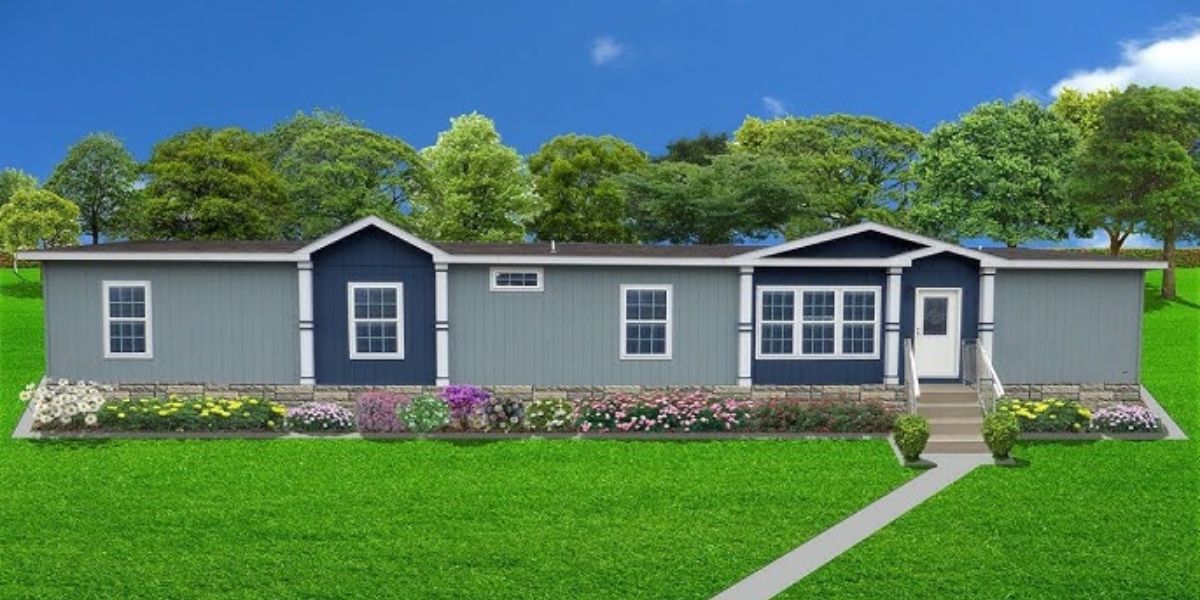
All manufactured homes are not built the same way. The size and layout of your home can impact how you should prepare for a storm.
Preparing a Single-Wide Manufactured Home
A single-wide manufactured home has a narrow layout. This makes it more vulnerable to wind pressure. So, if you have a single-wide home, you should give extra attention to anchoring systems. Roof reinforcements and storm doors are also a must.
Use additional straps or anchors if your home is in a high-risk area. The use of plywood coverings and storm shutters is also essential for protecting the windows.
Preparing a Double-Wide Manufactured Home
A double-wide manufactured home is more stable due to its wider base, but it also has a larger roof surface that can catch the wind. Make sure both halves of your home are tightly connected and the roof is sealed properly.
You need to double-check your tie-down system for a manufactured home. Also, reinforce the joining seam between he two halves of the house. Add waterproof coatings and check wall seams for cracks.
Preparing a Triple-Wide Manufactured Home
A triple-wide manufactured home, no doubt, provides you with more space but also presents more challenges for you. The multiple sections of the home need to be well-secured and anchored individually.
Triple-wides often have more doors and windows. Invest in durable storm doors, impact-resistant glass, and make sure to trim large trees that could fall on your home.
What to Do After the Storm
Do not rush back home too quickly once the storm has passed. Wait for official updates that tell you it is safe to move to your home.
When you return to your home:
- Watch out for power lines and gas leaks.
- Look if there are any water-damaged areas and stay away from them until an expert comes.
- Take photos of any damage for insurance.
- Start cleaning up only when conditions are safe.
- Contact your insurance company to start a claim.
- Keep records of any expenses for temporary shelter or repairs.
- Inspect your manufactured home roof for any damage.
- Check that your manufactured home anchoring system is still intact.
- Make note of any damage to the storm doors, windows, or siding of your home.
If there are any issues, report them to your insurance provider right away. You can also contact FEMA or local aid programs if your area qualifies for disaster relief. Having good insurance for manufactured homes helps you recover faster from overall damages.
Are Manufactured Homes Safe in Storms?
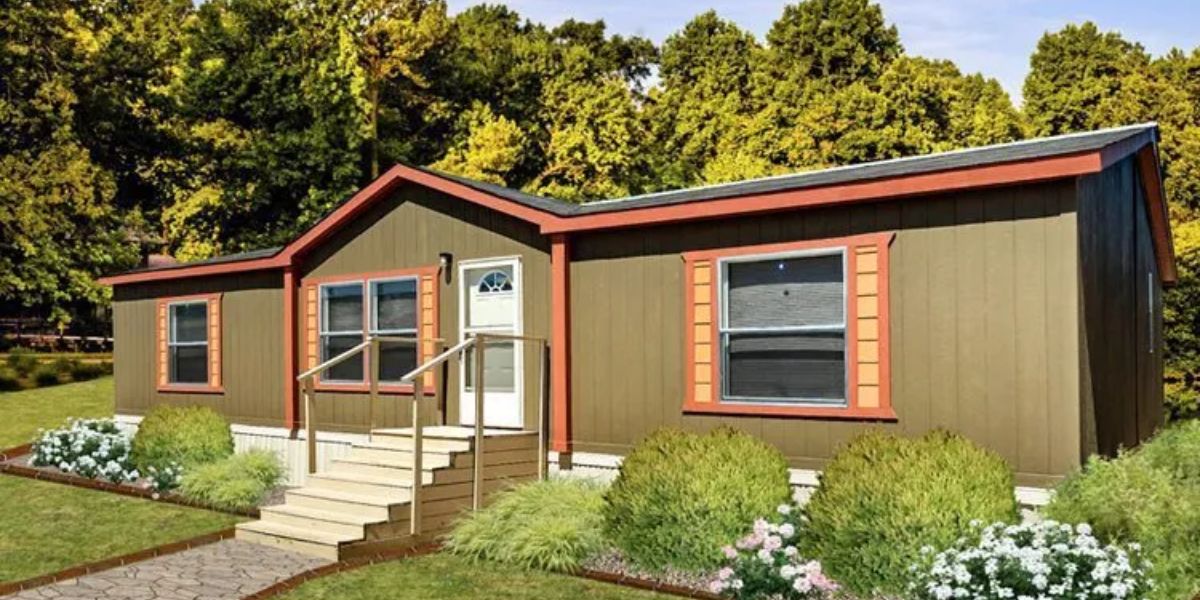
The concern about the safety of manufactured homes is very common, especially for people who are new to manufactured housing. As mentioned earlier, homes built after 1976 must follow the HUD safety codes. These codes include rules for structure, anchoring, materials, and wind resistance.
Modern manufactured homes are much safer than older mobile homes. Still, no home is completely storm-proof, not even the site-built homes. Site-built homes may have stronger foundations, but manufactured homes can also be safe like them with proper setup and maintenance.
So, if your question is, “Are manufactured homes safe in storms?” Yes, they can be. You just need to prepare your manufactured home for a hurricane or storm the right way.
Conclusion
Storms are scary, but there is no need for you to feel helpless in such situations. You can make sure your manufactured home is ready to face extreme weather with a little effort and the right knowledge. Check your tie-downs and make a strong emergency plan. Each of these steps adds to the protection of your home.
Are you looking for a manufactured home that meets today’s highest safety and HUD standards? Spark Homes can help you find a modern, storm-ready home that fits your family’s needs and budget. For expert support and personalized guidance, contact us today at +1 830-251-2110.
FAQs
How do I know if my tie-down system is up to code?
You can check for loose straps, rust, or missing anchors. If you are still unsure, contact a licensed contractor to inspect your manufactured home anchoring system.
What kind of storm doors work best for manufactured homes?
Look for reinforced storm doors for your manufactured homes. They are designed for high winds. Make sure the doors are tightly sealed and latch securely.
Do manufactured homes need special storm insurance?
Yes, standard policies may not cover all types of storm damage. Ask your provider about the home insurance for manufactured homes and flood coverage.
Can a single-wide manufactured home survive a hurricane?
Yes, with proper anchoring and preparation, it can. However, stronger hurricanes may still cause damage. It’s always safest to evacuate when advised.
Leave a Reply
You must be logged in to post a comment.