

The Texas Homestead Exemption is one of the most powerful tools available to homeowners. It not only lowers your annual property tax bill, but also provides important legal protections that can safeguard your home in times of financial uncertainty. Whether you’re a first-time homeowner or a long-time Texas resident, understanding how the Homestead Exemption works can save you thousands of dollars each year and give you peace of mind.
In this comprehensive guide, we’ll walk through eligibility, benefits, the application process, and how to make sure you’re getting the most out of your exemption. We’ll also cover special exemptions for seniors, veterans, and individuals with disabilities.
What Is The Texas Homestead Exemption?

The Homestead Exemption is a legal provision in Texas that reduces the amount of property taxes you owe on your primary residence. It works by removing part of your home’s value from taxation. For example, if your home is worth $300,000 and you qualify for a $100,000 homestead exemption, you are only taxed on $200,000 of its value.
This tax relief is more than just a reduction it’s a financial shield. It helps homeowners manage annual tax burdens and offers valuable protections against creditors in case of bankruptcy or financial hardship.
Who Qualifies For The Homestead Exemption?
To qualify for the Texas Homestead Exemption, you must meet certain requirements:
Primary Residence
The property must be your principal residence as of January 1 of the tax year. You cannot claim the exemption on a vacation home, rental property, or investment property.
Ownership
You must have ownership interest in the property. This includes full ownership, partial ownership, or even ownership through inheritance or a trust.
Valid ID
Your driver’s license or state ID must show the same address as the home you’re claiming the exemption on. This confirms your residency status for tax purposes.
Key Benefits Of The Texas Homestead Exemption
The exemption provides a range of benefits that can dramatically impact your finances as a homeowner.
School District Tax Savings
Every Texas homeowner is entitled to at least a $100,000 exemption on school district taxes. This is a standard amount that applies statewide and can result in substantial annual savings.
City, County, and Special District Exemptions
Cities, counties, and special districts may offer their own homestead exemptions in addition to the state-mandated one. These vary by location and may add another 10–20% exemption depending on local laws.
HTax Increase Limit (10% Cap)
Even if your property value increases due to market trends or development, your taxable value can’t rise more than 10% in a year. This cap stabilizes your tax bill and provides predictability.
Creditor Protection
Texas law also protects your homestead from forced sale by most creditors. While it doesn’t apply to all debts (like mortgage foreclosure or unpaid property taxes), it does protect against many personal liabilities.
Additional Homestead Exemptions
Texas offers several special exemptions to individuals who meet specific criteria. These can be added to the standard exemption for greater tax relief.
Seniors (65 and Older)
Homeowners who are 65 or older qualify for an additional $10,000 exemption on school taxes. Local jurisdictions may offer even more. Importantly, this also freezes the school tax portion of your bill at the amount it was when you first qualified.
Disabled Individuals
If you’re legally disabled, you may receive the same additional exemptions as seniors, along with a freeze on certain taxes.
Disabled Veterans
Veterans with a VA disability rating may receive exemptions ranging from $5,000 to a full exemption, depending on their percentage of disability. This applies to their surviving spouses as well, under specific conditions.
Filing The Homestead Exemption
Applying for the Homestead Exemption is straightforward, but it’s essential to follow the process carefully to ensure acceptance.
When To Apply
You must own and occupy the home as of January 1. The application window typically opens in January and closes on April 30 each year. If you miss the deadline, some counties allow late filings for up to two years.
Required Documentation
To file, you’ll need:
- Your Texas driver’s license or ID showing the home’s address
- Proof of ownership, like a deed or title
- Additional documents for age, disability, or veteran status if applicable
Where To Apply
You file through your county’s appraisal district. Many offer online forms and submission portals. There’s no fee to apply, and you only need to file once unless you move, sell your home, or change your eligibility status.
Common Scenarios And Their Impact
Let’s explore a few typical situations and how the Homestead Exemption plays a role.
Inherited Property
If you inherit a home from a parent or spouse, you may still be eligible especially if you live there and it becomes your primary residence. Some additional steps like affidavits of heirship may be required.
Refinancing Your Home
Refinancing your mortgage doesn’t affect your homestead exemption. As long as you stay in the home, your exemption remains intact.
Moving Within Texas
If you move to another home in Texas, you can apply for a new exemption on your new property and cancel the one on your old residence.
Adding Improvements
Home additions or improvements may increase the market value of your home, but thanks to the 10% annual cap, your taxable value still has a built-in protection.
Financial Impact Of The Homestead Exemption
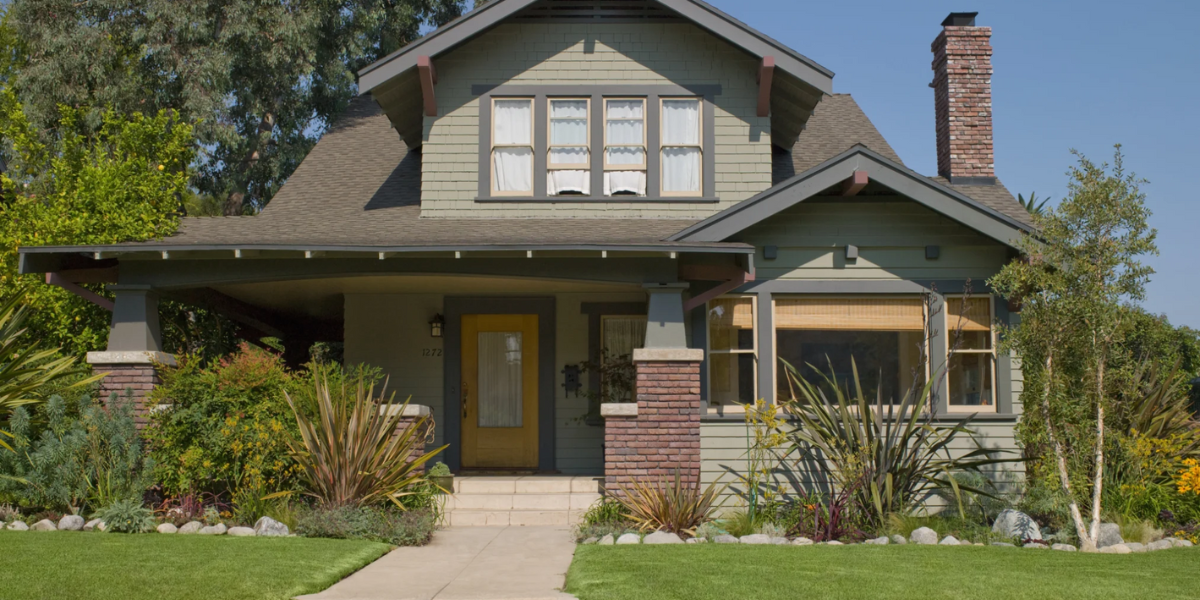
Let’s say you own a home in San Marcos valued at $350,000. With the $100,000 school tax exemption, you’re taxed on $250,000. If your school tax rate is 1.3%, that’s a savings of $1,300 each year. Add in county or city exemptions and you could save even more up to $2,000 annually.
These savings accumulate over time and can be reinvested in your home or used for other financial priorities. For seniors or those on fixed incomes, these tax reductions are often essential to staying in their homes.
Keeping Your Exemption Active

Once you apply and are approved, you generally don’t need to file every year. However, if you change your address, sell your home, or your eligibility status changes (such as no longer being disabled), you must inform your appraisal district.
Periodic checks are performed by the county to verify that homeowners are still eligible. If you’re caught claiming an exemption on a property that’s not your primary residence, you could be liable for back taxes and penalties.
Future Changes To The Texas Homestead Exemption
Texas legislators frequently propose bills to expand homestead exemptions. In recent years, voters approved increasing the school district exemption from $40,000 to $100,000. Future proposals may raise this even higher.
Stay informed by watching local elections and checking updates from your county appraisal district.
Conclusion
The Texas Homestead Exemption is a powerful benefit that every homeowner should understand and use. It reduces your property taxes, protects your home from creditors, and provides special benefits for seniors, veterans, and individuals with disabilities. The application process is simple, but the savings can be substantial especially over the long term.
At Spark Homes Texas, we help homeowners across the state from Austin to San Antonio make smart real estate decisions that improve their financial well-being. If you’re buying a home, or need help navigating your homestead exemption, call us today at (830) 251-2110.
FAQs
Can I have more than one homestead exemption?
No. You’re only allowed one homestead exemption in the state of Texas, on your principal residence.
Do I need to apply every year?
No. Once your exemption is approved, it automatically renews unless there’s a change in your residency or eligibility.
What happens if I miss the deadline?
You may still apply late, depending on your county. Many allow late applications for up to two years.
Can I claim the exemption on a mobile home?
Yes, if it’s your principal residence and you own the home (even if you rent the land).
Are property improvements taxed immediately?
Yes, but the 10% cap limits how much your assessed value can rise in a single year.
What if I inherit a home?
You may still qualify if you live there and meet eligibility. Documentation such as a will or heirship affidavit may be required.
What is the freeze for seniors?
Once you’re 65 and apply, your school district taxes are frozen at that amount moving forward, protecting you from future increases.
Does homestead exemption apply to rental properties?
No. Only owner-occupied homes used as a primary residence qualify.
What happens if I move?
You’ll need to file a new homestead exemption on your new home and cancel the previous one.
How do I know if my application is approved?
The appraisal district will send a confirmation, typically within a few months. You can also call or check your status online.