
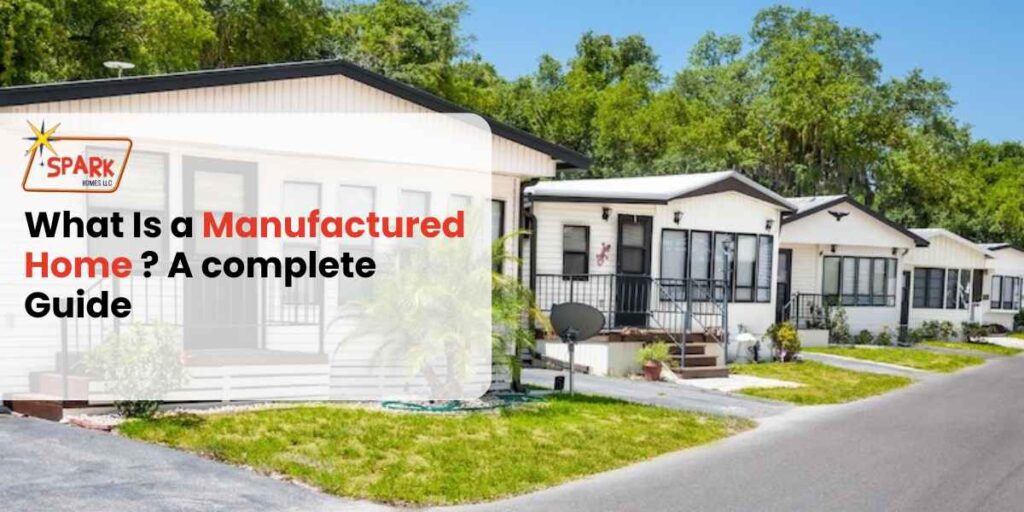
Manufactured homes have become one of the most affordable and practical ways to own a home today. Many people choose them because they offer the comfort of a traditional house but at a much lower price. Whether you’re buying your first home or planning to upgrade your living space, a manufactured home can be a smart choice. A manufactured home is built in a controlled factory environment using modern tools, strict quality checks, and precise construction methods that ensure strength, durability, and long-lasting performance. From understanding the building process to selecting the perfect layout for your needs, this guide covers every step clearly so you can make a confident and informed decision before Buying a manufactured home.By the end, you’ll feel confident enough to decide if a manufactured home is right for you.
What Is a Manufactured Home?
A manufactured home is a type of house built in a factory instead of on-site. The construction happens indoors, where weather cannot delay the process, and materials stay protected. After the home is fully built, it is transported to the land where it will sit permanently.
Many people confuse manufactured homes with mobile homes, but there is one important difference. Mobile homes were made before 1976 and did not follow strict building rules. Manufactured homes, on the other hand, are built under strong safety and quality standards set by Housing and Urban Development.
These standards ensure the home is safe, energy-efficient, weather-resistant, and durable. Today’s manufactured homes look and feel like traditional houses with modern kitchens, spacious bedrooms, beautiful bathrooms, and stylish finishes.
Why Choose a Manufactured Home?
People choose manufactured homes for many reasons, but affordability is the biggest one. These homes cost much less than site-built houses, giving you the chance to own a home without needing a huge mortgage.
Manufactured homes are also built quickly. A traditional home may take a year or more to finish, but a manufactured home can be ready in just a few weeks. This helps buyers save money and time. Quality is another major advantage. Since construction takes place indoors using advanced equipment, these homes avoid weather damage and are built with consistent accuracy.
Energy efficiency is also a benefit. Many manufactured homes come with insulated walls, energy-saving windows, and modern heating and cooling systems that help lower your monthly electric bills. Overall, you get a comfortable, safe, and affordable home that fits your lifestyle.
How Are Manufactured Homes Built?
Understanding the construction process can help buyers feel more confident. Manufactured homes start with a strong steel frame that forms the base. Walls, floors, and roofs are built in sections inside a climate-controlled factory. Workers use precise machines to cut wood and materials accurately, reducing waste and maintaining high quality.
Each part of the house is inspected several times. After all sections are completed, they are transported to your land or community and assembled. Once placed on a foundation, the home is secured, utilities are connected, and final inspections are done.
This process results in a home that is solid, safe, and ready to live in usually much faster than traditional construction. Because it’s built indoors, your home won’t be delayed by rain, heat, or cold.
Types of Manufactured Homes
Manufactured homes come in different sizes and layouts to match your needs and budget.
Single-Wide Homes
These are narrow and long homes, usually with one to two bedrooms. They are ideal for individuals, couples, or small families.
Double-Wide Homes
These offer more space because they are built in two sections that come together. They often include two or three bedrooms, a spacious kitchen, and larger living areas.
Triple-Wide or Multi-Section Homes
These are the largest manufactured homes. They can have four bedrooms, large living rooms, home offices, or even luxurious bathrooms. They look very similar to traditional site-built houses.
Choosing the right type depends on your family size, budget, and available land.
Where Can You Place a Manufactured Home?
One of the first decisions to make is where you want your home placed. You have two main choices: placing it on your own private land or living in a manufactured home community.
Placing the home on your own land gives you more freedom. You can customize landscaping, add garages, porches, or decks, and enjoy full privacy. Many people prefer this option because they own both the home and the land, which increases the property’s long-term value.
Living in a manufactured home community can also be a good choice, especially for those who want low maintenance. These communities offer paved roads, security, amenities, and sometimes clubhouse or pools. However, you may need to pay a monthly rent.
Make sure to check zoning rules before placing your home on any land. Some areas have specific requirements, and it’s important to follow local guidelines.
What Does a Manufactured Home Cost?
The cost of a manufactured home varies, but new ones typically range from $50,000 to $160,000, including installation. This price can be broken down into the base price of the home itself (new homes are around $40,000 to $150,000), plus installation costs like site preparation, utility hookups, and customization. Single-wide homes are generally more affordable, while double-wide and larger homes cost more.
Factors that influence the cost
- Single-wide: Typically cost between $50,000 and $100,000.
- Double-wide: Range from $100,000 to $150,000 and up.
- Larger homes: Can exceed $250,000 depending on size and finishes.
- Site preparation: Costs from $1,000 to $5,000 for tasks like leveling the land and removing obstacles.
- Foundation: Depending on the type, foundations can range from $5,000 to $40,000.
- Utility connections: Connecting to water, sewer, and electricity can cost between $500 and $2,500 per connection.
- Permits and fees: These typically range from $200 to $2,000.
- Customizations and upgrades: Prices increase with custom finishes, cabinetry, and other upgrades, potentially adding $5,000 to $30,000 or more.
- Delivery: The cost increases with delivery distance.
- Land: The cost of buying or renting land is a separate, major expense that can vary widely.
- Insurance: Annual insurance costs for a manufactured home generally range from $500 to $2,000.
Aside from the home itself, you should also consider extra costs like land preparation, utilities, foundation, transportation, and installation. Even with these expenses included, manufactured homes usually cost far less than site-built houses.
Many buyers also use financing options such as mortgages or loans made specially for manufactured housing.
Choosing the Right Manufactured Home
To choose the right manufactured home, assess your household size and lifestyle to determine the necessary size, layout, and number of bedrooms and bathrooms. Next, set a realistic budget that includes the home’s price plus additional costs like site preparation, utilities, and transport. Finally, research potential locations and communities, visit homes in person to inspect them, and work with a reputable manufacturer or dealer to understand your financing options and review all contracts carefully.
1. Assess your needs and lifestyle
- Household size: Consider your current family size and any potential future changes. This will help determine the number of bedrooms and bathrooms you need.
- Lifestyle: Think about how you use your space. An open floor plan may be better if you entertain frequently, while a traditional layout might suit you if you prefer defined rooms.
- Size: Choose between a single-wide (smaller, more affordable) or double-wide (larger, more amenities) based on your space needs and budget.
2. Set your budget
- Establish a total budget: Get pre-approved for financing and account for all potential costs, not just the price of the home itself.
- Factor in additional expenses: These can include land acquisition (if applicable), site preparation (clearing, grading, foundation), utility hookups, permits, and transportation.
- Understand recurring costs: If buying a home in a community, understand a lot rent and what it includes. Be aware of ongoing costs for utilities and maintenance.
3. Research and visit
- Explore communities: Look for communities that fit your needs, considering location, amenities (like pools or clubhouses), and rules. Some communities are age-restricted, while others are all-ages.
- Tour homes: Visit potential homes in person to inspect them. Check that they have the required HUD certification tag on the exterior of each section.
- Talk to residents: Get insights from current residents about the community, management, and any issues they’ve experienced.
4. Personalize and finalize
- Personalize your home: While there are limits, you can often choose interior colors, flooring, and cabinetry to match your style.
- Consider upgrades: You may have the option to add features like a fireplace, upgraded appliances, or a larger deck.
- Verify all details: Request written quotes, review and understand all lease terms, and arrange for a professional inspection before finalizing the purchase.
Understanding Land Preparation & Setup
Before your home arrives, the land must be prepared. This includes clearing the area, leveling the ground, installing utilities, and choosing a foundation. There are several types of foundations: pier-and-beam, slab, or basement foundations. The right type depends on your local rules and personal preference.
Once the land is ready, the home is delivered and placed carefully. Workers secure the home to the foundation, connect utilities, and complete finishing touches. The entire process is quicker than traditional construction, but it still requires proper planning.
A well-prepared site ensures your home stays stable and durable for years.
Are Manufactured Homes Durable and Safe?
Many people wonder if manufactured homes are safe. The answer is yes they must meet strict HUD standards. These rules control everything from fire safety to wind resistance.
Modern manufactured homes use strong materials, sealed roofs, insulated walls, and high-quality windows. They are built to handle storms, heat, and cold. In fact, many manufactured homes perform better in severe weather than older site-built homes.
Proper installation also increases durability. When the home is anchored correctly and maintained regularly, it can last as long as a traditional home.
Frequently Asked Questions
What is the easiest way to identify a manufactured home?
A manufactured home should have a metal tag on the exterior of each of its transportable sections. Walk around the structure, looking for a small, red metal identification plate. If it’s not there, look for holes that indicate something might have been removed.
How do you make a manufactured home real property?
Generally, the procedure involves surrendering the certificate of title or manufacturer’s certificate of origin and then filing an affidavit in the local county land records. Typically, the manufactured home must be permanently affixed to the land, a concept often specifically defined.
Can a mobile home be a manufactured home?
According to HUD, a factory-built home prior to June 15, 1976, is a mobile home and one built after June 15, 1976, is a manufactured home. Both manufactured homes and mobile homes have several common traits: Usually built in a factory and taken to the property where they are set up.
How much land do I need for a manufactured home?
To place a manufactured home on your land, you generally need enough space, typically at least a quarter acre, to ensure there are several feet of clearance around the home on all sides.
Conclusion
Choosing a manufactured home is a smart and affordable way to enjoy comfortable living without the high price of traditional housing. These homes are built with strong materials, modern designs, and strict safety standards, making them durable and energy-efficient. Whether you need a small space or a large multi-section home, there is a layout that fits your lifestyle and budget. With proper land preparation and installation, a manufactured home can offer long-term value and stability. If you’re looking for a home that combines quality, comfort, and cost savings, a manufactured home is an excellent choice for your next step toward homeownership.
For expert help choosing the right home, Spark Homes Texas is here to help you. Call (830) 251-2110 to get started.