
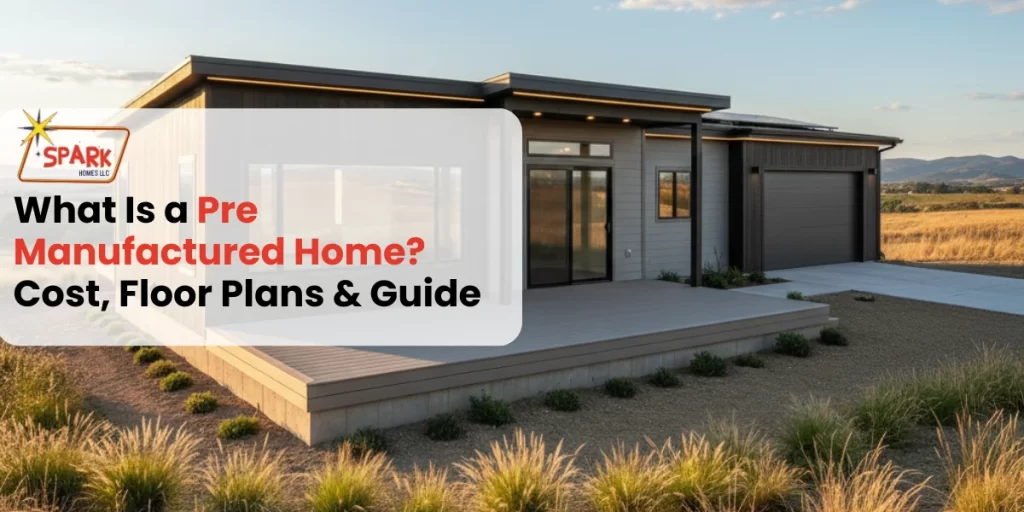
A pre manufactured home has become a practical option for buyers who want a permanent home without long construction timelines or unpredictable costs. In Texas, rising labor prices and material shortages have made traditional homebuilding more complex, pushing many families, retirees, and landowners to explore factory-built alternatives that still offer comfort, durability, and long-term value.
These homes are built in controlled environments, which helps reduce delays, control quality, and lock in pricing earlier in the process. For many buyers, that means fewer surprises and a clearer path to ownership.
This guide explains how pre-manufactured homes are built, what buyers typically pay, how they compare to site-built houses, and who they make the most sense for. The focus is on real questions buyers ask and practical decisions that matter when choosing the right housing option in Texas.
How These Homes Are Built
Pre-manufactured homes are built inside a factory instead of being constructed entirely on-site. The framing, roofing, electrical systems, plumbing, insulation, and interior finishes are assembled indoors under controlled conditions. This setup allows consistent quality checks and reduces issues caused by weather, material damage, or rushed labor.
After the home is completed, it is transported in sections to the buyer’s property. On-site work focuses on placing the home on a permanent foundation, securing it properly, connecting utilities, and completing final inspections.
Because most of the construction work is already finished before delivery, installation usually takes far less time than traditional home building.
For buyers in Texas, this process offers a major advantage. Extreme weather, subcontractor delays, and fluctuating material costs often slow down site-built projects. Factory construction helps avoid these problems, keeping timelines more predictable and reducing the risk of unexpected delays.
Pre Manufactured vs Site-Built Homes
The main difference buyers notice is predictability. Traditional construction depends on multiple contractors working on-site over many months. Pre-manufactured homes follow a defined process with fewer unknowns.
|
Factor |
Pre Manufactured Homes |
Traditional Site-Built Homes |
| Build Location | Factory-built | Built entirely on-site |
| Timeline | Weeks to a few months | Several months to over a year |
| Cost Control | Pricing set early | Costs often change mid-build |
| Weather Impact | Minimal | High |
| Labor Dependency | Controlled factory labor | Multiple local contractors |
| Quality Inspections | Standardized at each stage | Varies by builder |
| Customization | Moderate | High |
| Financing | Slightly different | Standard mortgage |
| Best Fit | Budget-focused buyers, landowners | Fully custom urban homes |
Cost Breakdown and Pricing Factors
One of the first questions is how much a pre manufactured home costs. The answer depends on size, layout, finishes, and where the home will be placed in Texas.
- 600–900 sq ft homes: Usually cost between $55,000 and $85,000
- 1,000–1,600 sq ft homes: Typically range from $90,000 to $140,000
- Larger or modern homes: With upgraded interiors, prices can reach $150,000 to $220,000
These prices usually cover the home itself. Land, foundation, permits, delivery, and utility hookups are additional costs. Even with these included, the total investment is often lower than building a comparable site-built home.
Several practical factors influence the final price. Square footage is the biggest driver. More space means higher material and transport costs. Layout complexity also matters. Multi-section homes generally cost more than single-section designs.
Interior upgrades such as flooring, cabinets, countertops, and appliances can quickly raise the price. Exterior options like siding, roofing materials, and porches also add to the total.
Site-related expenses vary by county in Texas. Foundation requirements, utility access, permit fees, and delivery distance all play a role. Buyers who already own prepared land typically spend less than those starting with undeveloped property.
Layout Options, Size Choices
Pre-manufactured homes are available in a wide range of sizes, from compact layouts to larger multi-section designs. Smaller pre manufactured homes are especially popular among Texas buyers who want lower upfront costs and minimal maintenance. These layouts work well for retirees, rental properties, guest houses, and rural living.
Lower square footage reduces the purchase price, installation costs, and monthly utility bills. Smaller homes are also faster to deliver and easier to set up, which appeals to buyers who want to move in quickly or avoid complex site work.
Modern designs focus on efficient use of space rather than extra rooms. Open living areas, functional kitchens, and well-planned storage are common, even in smaller layouts. Buyers can choose between single-section and multi-section designs depending on land size and living needs.
Many homes include features once associated only with site-built construction, such as walk-in closets, modern bathrooms, and durable interior finishes. Customization options vary by model, but most buyers can select finishes and layout upgrades without moving into full custom-build pricing.
Another key advantage is predictability. Pricing is known early in the process, which helps buyers plan financing with confidence. Build timelines are shorter, allowing faster move-in. Energy efficiency is also improved through factory-controlled construction, resulting in better insulation and lower long-term utility costs.
Important Limitations to Consider
Pre manufactured homes are a good option, but they are not right for everyone or every location. In Texas, zoning and placement rules can change from one city or county to another. Some areas limit where these homes can be placed or require specific foundation types. Checking local rules early can save time and prevent problems later.
Financing can also be different from a traditional home loan. The type of loan you qualify for often depends on whether you own the land and how the home is installed. Interest rates and down payment requirements may vary, so it is important to understand your financing options before moving forward.
Resale value depends on where the home is located, how well it is maintained, and local housing demand. Homes that are properly installed and taken care of usually hold their value better.
Working with a trusted Texas dealer helps make sure everything meets local rules and reduces the risk of issues in the future.
Who This Option Is Right For
Pre manufactured homes are a strong fit for buyers who want clear pricing and a simpler path to owning a home. First-time buyers often choose this option because the costs are easier to understand and the process is more straightforward than traditional construction. Knowing the price early helps avoid budget stress and unexpected expenses.
This option also works well for landowners who already have property and want to build without long delays. Since most of the construction happens in a factory, the time spent building on-site is much shorter. This is especially helpful in rural or developing areas where traditional construction can take longer.
Retirees frequently choose smaller layouts because they are easier to maintain and more affordable to operate. These homes provide comfortable living without the upkeep of a large house. Investors also see value in pre manufactured homes for rental properties, guest houses, or secondary homes, particularly on larger parcels of land.
This housing option may not suit buyers who want highly customized architecture or unique design features that go beyond standard layouts. It can also be challenging in areas with strict zoning or placement rules. Understanding local regulations early and working with an experienced Texas dealer helps and ensures the home is placed correctly.
Frequently Asked Questions
Are pre manufactured homes safe?
Yes, pre manufactured homes are safe. They are built under strict construction standards and inspected at multiple stages for structural strength, electrical systems, plumbing, and fire safety. When installed on a permanent foundation and anchored according to local Texas codes, they are designed for long-term, secure living.
Is a pre manufactured home the same as a mobile home?
No. A pre manufactured home is built under modern building standards and designed for permanent living. Older mobile homes were built before stricter regulations and often follow different construction and safety codes. Many people still confuse the terms, but today’s pre manufactured homes are more durable, energy-efficient, and designed to last long term.
Can a pre manufactured home be placed on my own land in Texas?
Yes, in most cases it can. Placement depends on local zoning rules, foundation requirements, and utility access. Some cities or counties may have restrictions, so it is important to check local regulations before purchasing.
Do pre manufactured homes qualify for financing or mortgages?
Yes, but financing can work differently than a traditional home loan. Approval often depends on whether the home is placed on a permanent foundation and if the buyer owns the land. Some buyers use standard mortgages, while others may qualify for specialized home loans.
How long does it take to install a pre manufactured home?
Once the home is built and delivered, installation usually takes a few weeks. This includes foundation setup, utility connections, and inspections. The overall timeline is typically much shorter than building a home entirely on-site.
Are pre manufactured homes a good long-term investment?
They can be, especially when placed on owned land and properly maintained. Long-term value depends on location, local demand, installation quality, and upkeep. Homes that meet local codes and are installed correctly tend to perform better over time.
Conclusion
A pre manufactured home offers a practical balance between affordability, speed, and quality. With clear pricing, faster timelines, and modern layouts, it has become a strong option for Texas buyers who want control over their housing investment.
The key is planning. Understanding costs, land requirements, and local regulations early prevents delays and unexpected expenses. Working with a knowledgeable local company makes the process smoother and more transparent.
If you are considering this housing option and want clear guidance tailored to Texas, Spark Homes Texas is here to help. Call +1 830-251-2110 to discuss floor plans, pricing, and placement options with a team that understands local requirements and real buyer needs.