
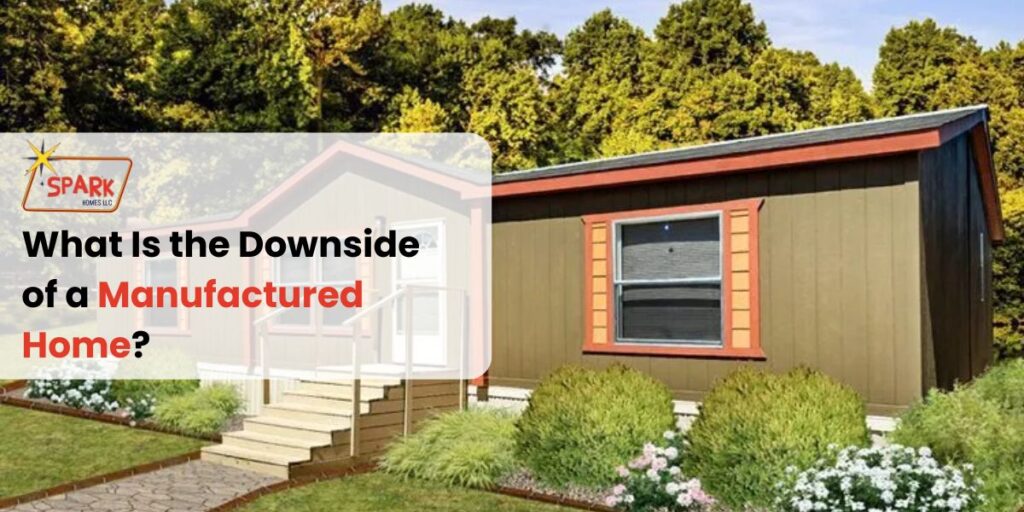
Manufactured homes have been a growing trend in the housing market because they offer affordability, flexibility, and faster construction compared to traditional homes. Many families are drawn to them because they look modern, provide a quick solution to the housing shortage, and seem like a practical investment.
However, while manufactured homes come with several benefits, it’s equally important to look at the disadvantages before making a decision. Like every type of real estate purchase, some factors can impact financial stability, long-term value, and overall satisfaction.
This article examines in detail the primary drawbacks of manufactured homes. By the end, you will have a clear understanding of what challenges to expect and whether this type of housing is right for you.
Limited Appreciation and Value Retention
A major concern for buyers is whether their manufactured home will increase in value over time. Unlike site-built houses, which usually appreciate as land prices rise and neighborhoods develop, manufactured homes often do not. In fact, in many cases, they depreciate like a car does after purchase.
One of the main reasons for this depreciation is the land factor. Traditional homes are built on owned land, and it’s the land that usually drives appreciation. Manufactured homes are often placed on leased land or in communities where you don’t own the property beneath the home. Without land ownership, the potential for value growth is limited.
For people who want to build wealth and equity through real estate, this lack of appreciation is a significant downside. A manufactured home might meet your short-term needs, but long-term financial growth is more challenging.
Financing Obstacles
Financing a manufactured home is not as straightforward as buying a traditional house. Lenders often categorize them differently depending on whether they are placed on permanent foundations or not.
If your manufactured home is classified as “real property” because it is attached permanently to land you own, then you may be able to secure a mortgage similar to conventional housing. However, if it is treated as “personal property,” financing becomes harder. Most lenders in this case only offer chattel loans, which are designed for movable property.
Chattel loans usually come with higher interest rates and shorter repayment periods. This means you could end up paying more over time, even though the initial home cost was lower. For many families, this unexpected financial burden becomes a major disadvantage.
Land Lease Limitations
Another downside comes from the fact that many manufactured homes sit on leased land. While this reduces upfront costs because you don’t have to buy land, it creates risks in the long run.
Lease agreements typically come with monthly payments, and these fees can rise over time. Communities also have the right to change rules, increase rents, or even sell the land to new owners. In the worst cases, entire manufactured home parks have been shut down, forcing residents to relocate.
This lack of stability is a real challenge. Unlike traditional homeowners who have full ownership of their property, manufactured homeowners in land-lease situations are at the mercy of the landowner’s decisions.
Resale Challenges
Selling a manufactured home can be much harder than selling a traditional house. One reason is the limited pool of buyers. Because financing options are fewer, not every interested buyer will qualify.
Additionally, manufactured homes often carry the stigma of being less valuable than site-built homes. Potential buyers may worry about depreciation, land lease issues, or the durability of the structure. This reduces demand in the resale market.
When it comes time to move or upgrade, many homeowners find themselves accepting lower offers or waiting longer to close a sale. This makes resale value one of the biggest downsides of manufactured homes.
Durability and Weather Risks
Modern manufactured homes are built to HUD code standards, which means they must meet safety requirements for construction and energy efficiency. However, even with these regulations, they can still be less durable than traditional houses.
In areas prone to hurricanes, tornadoes, or floods, manufactured homes may suffer more damage. Even when built with stronger materials, their lighter construction and anchoring methods can leave them vulnerable. This results in higher insurance costs and greater risk for homeowners.
While technology and construction methods have improved significantly, the perception of vulnerability remains a concern. Families in regions with extreme weather often prefer site-built homes for the added security.
Insurance Costs and Coverage
Getting insurance for a manufactured home can be more complicated than for a traditional property. Not all insurance companies offer specialized policies for these homes, and the ones that do may charge higher premiums.
This is largely because manufactured homes are viewed as having a greater risk of damage. Fire risks, wind damage, and storm vulnerability all play a role in the calculation of insurance rates.
For families looking to minimize monthly expenses, higher insurance premiums can make what seemed like an affordable option more costly in the long run.
Zoning and Location Restrictions
Another hidden downside is zoning. Many neighborhoods and cities have strict zoning regulations that either prohibit manufactured homes altogether or limit them to specific communities.
This restriction reduces the flexibility of where you can live. Even if you find affordable land, local regulations may prevent you from placing a manufactured home on it. This can limit opportunities for location, especially if you want to live near urban areas or in neighborhoods with high land value.
Zoning laws also contribute to the stigma surrounding manufactured homes, reinforcing the idea that they are not on par with traditional housing.
Shorter Lifespan
While manufactured homes can last decades with proper care, their average lifespan is generally shorter than site-built houses. Factors like transportation, setup, and materials all affect long-term durability.
Traditional homes can often remain standing for 70–100 years with renovations and upkeep. Manufactured homes, on the other hand, may last 30–55 years depending on maintenance and conditions.
For buyers looking for a long-term residence that will last generations, this can be a downside worth considering.
Stigma and Social Perception
Even though manufactured homes today look far better than older mobile homes, the stigma persists. Many people still associate them with lower quality or poverty, despite the improvements in design and comfort.
This stigma affects not just personal pride but also resale and community acceptance. In some neighborhoods, manufactured home residents may feel excluded or treated differently. For families concerned about perception, this can be a major drawback.
Maintenance and Upkeep
Another factor that surprises many buyers is the upkeep required. While the homes are affordable initially, repairs can be costly if the structure was not set up correctly or if cheaper materials were used during construction.
For example, plumbing, roofing, and insulation issues are more common in manufactured homes than in traditional ones. Over time, these repairs add up and may offset the affordability advantage.
Energy Efficiency Limitations
Although modern manufactured homes are far more energy efficient than older models, they still may not reach the efficiency levels of well-built site homes. In some climates, heating and cooling costs can be higher, adding to monthly expenses.
This may not matter in moderate climates, but in regions with extreme winters or summers, energy efficiency becomes a critical issue.
Conclusion
Manufactured homes present an affordable way to own a home, but they also come with significant downsides. From limited appreciation and financing obstacles to land lease risks and resale difficulties, buyers must carefully consider all aspects before investing.
If you’re exploring your options, make sure you evaluate both the short-term benefits and long-term implications. At Spark Homes, we specialize in helping clients understand every detail of manufactured housing so they can make the right decision for their future.
For expert guidance and to discuss whether a manufactured home is right for you, call us today at +1 (830) 251-2110.
FAQs
Do manufactured homes lose value quickly?
Yes, most manufactured homes depreciate over time, especially if placed on leased land.
Can I get a regular mortgage for a manufactured home?
Only if it is permanently affixed to owned land and classified as real property. Otherwise, financing options are limited.
How long do manufactured homes typically last?
With good maintenance, they can last 30–55 years, but traditional homes usually last longer.
Is insurance more expensive for manufactured homes?
In many cases, yes. Because of higher perceived risks, premiums can be higher than for traditional houses.
Why is there a stigma around manufactured homes?
Much of it comes from outdated perceptions of mobile homes and zoning restrictions that reinforce the idea of lower-value housing.