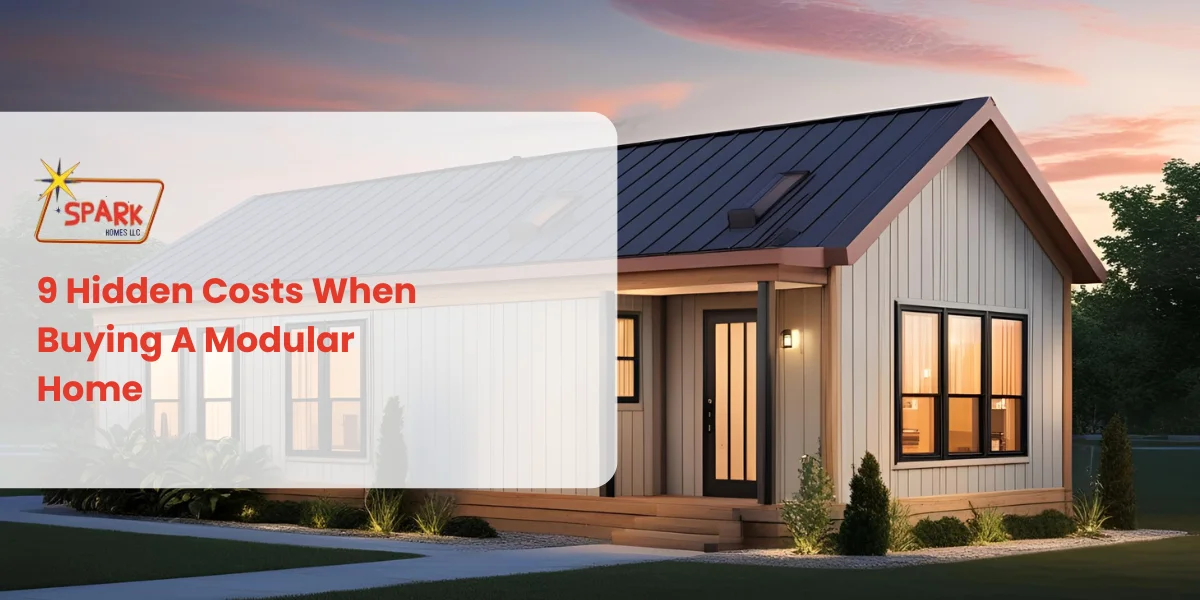
Modular homes have continued to grow in popularity by providing a cheaper, quicker way to accomplish what many people consider being very important in the home at lower prices compared to site-constructed houses with customized features. It has debunked the myth that they are an affordable option for homeownership. Prospective clients never really understand that there are hidden costs in buying and putting up a modular house, which could really drain your finances if you are ill prepared. This blog post will bring to light nine hidden costs so that the reader can make informed decisions and avoid financial surprises.
Land Preparation Costs
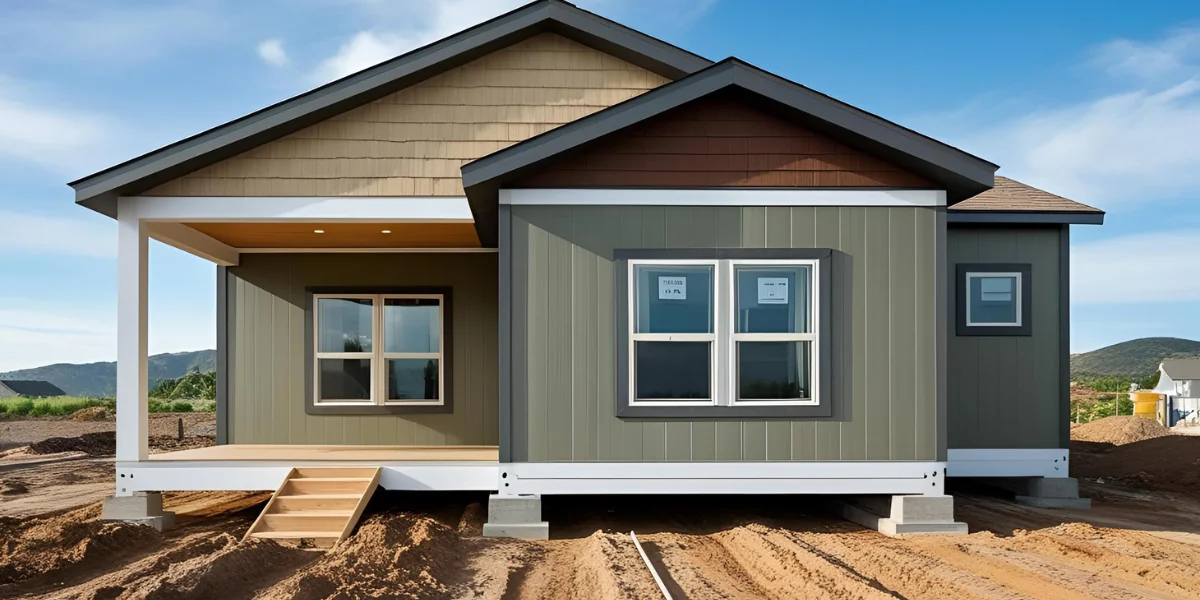
In preparing your land, there is a great deal of work that has to be accomplished, and only then can your modular home be placed. Unfortunately, this is often one of the most important yet underdiscussed costs. Thousands of dollars may be tacked on to your overall cost for clearing and leveling the land-and possibly even pulling out trees or large boulders. Also, aside from clearing, soil tests may be done, and even possible treatments will be required on the ground to deem it suitable for the required foundation. Most properties, depending on location and existing terrain, might necessitate grading and even installing erosion controls. All these would be undertaken prior to starting construction and will not fall under the base price of a modular home.
Foundation Installation
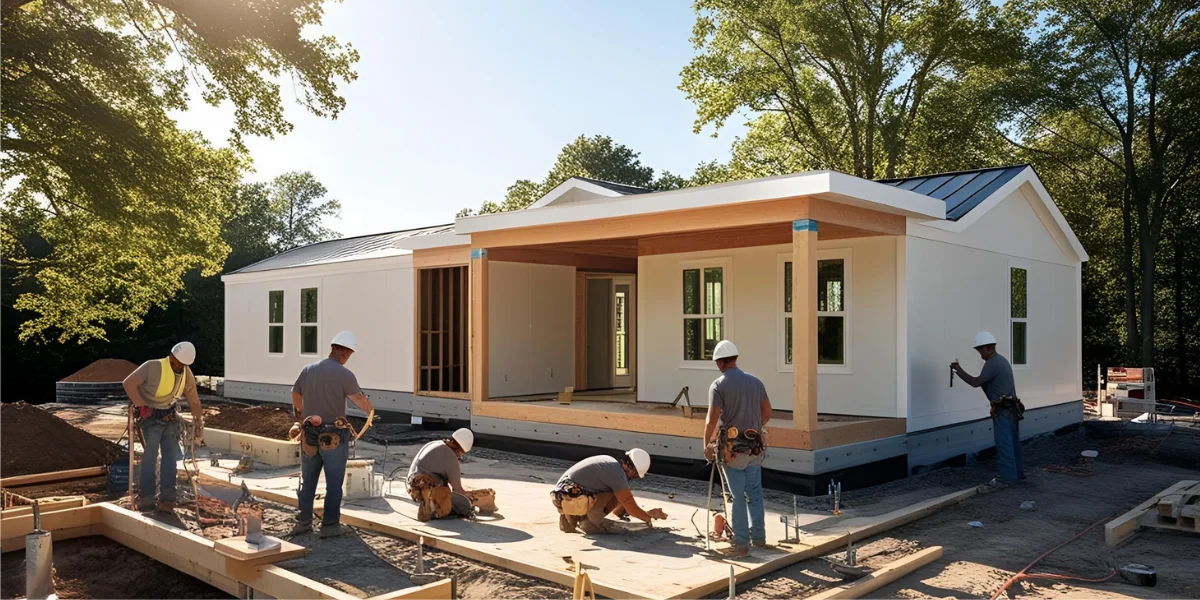
The foundation is, in fact, one of the most significant hidden costs in the purchase of a modular home. Although modular or pre-fabricated in nature, there is still the necessity of having a really good foundation below it. That may mean a full basement, crawl space, or slab-on-grade foundation, but such variations are dependent on soil conditions, requirements, and geographic regions. Foundation prices can utterly surpass $10,000, and in some regions, waterproofing or insulation may be an additional factor depending on the climate.
Utility Connections
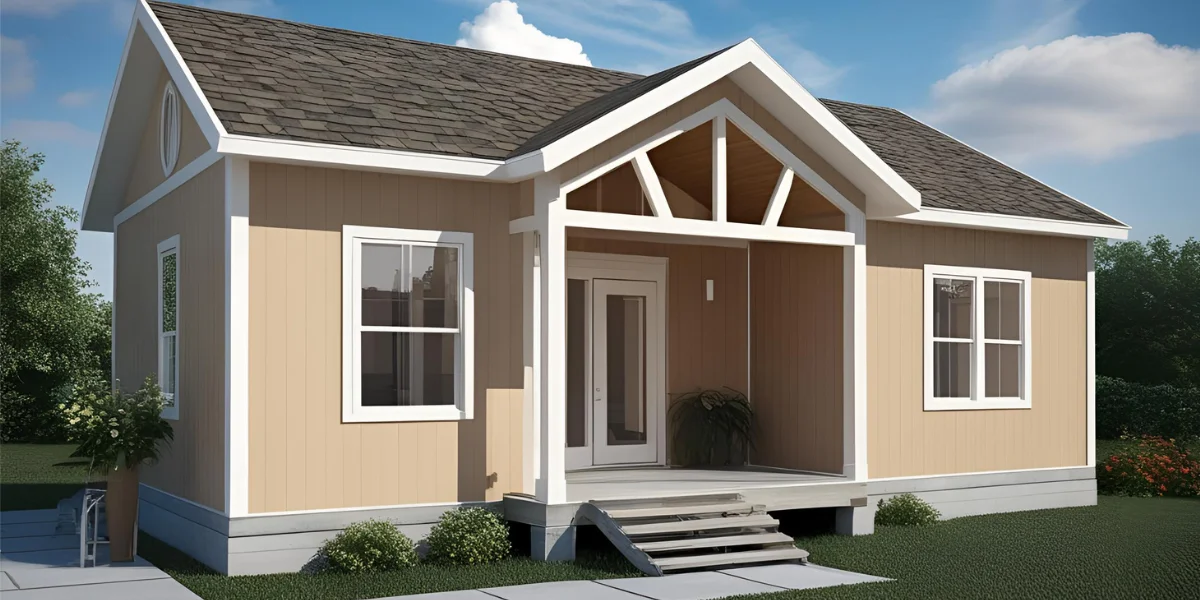
Whether it is set on the foundation or moved completely, a modular home requires the connections of water, sewer, gas, and electricity utilities. For rural areas, the installation of the septic system and a well can amount to many thousands of dollars. In a developed area, however, extending service lines to your new house tends to be quite a challenge. The trenching and permitting costs would increase significantly depending on how far the installation needs from the main lines.
Permits And Inspections
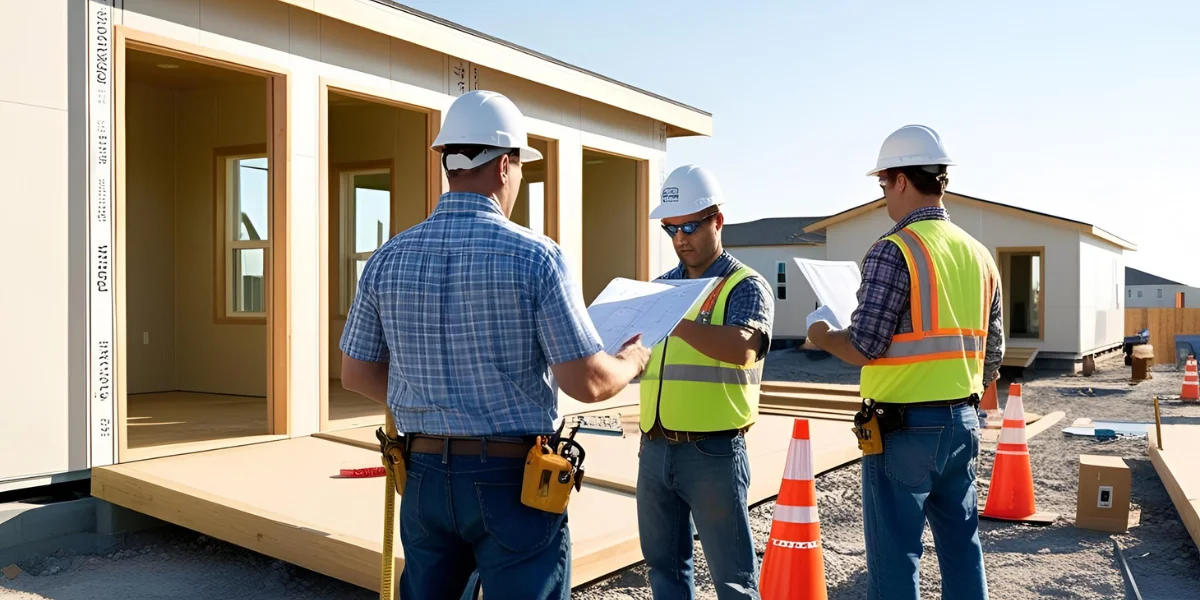
The modular houses are subject to the local codes and zoning laws. You will need to obtain the proper permits before commencing construction: zoning permit, building permit, utility permit, yet this procedure may vary considerably from one location to another. Inspections would have to be conducted during the processes too, making sure that the local regulations are adhered to. Permit fees can widen the spectrum by a few hundred dollars in simple projects all the way up to a few thousand dollars in very complex ones, depending on the project complexity and where you are actually building.
Site Delivery And Setup Fees
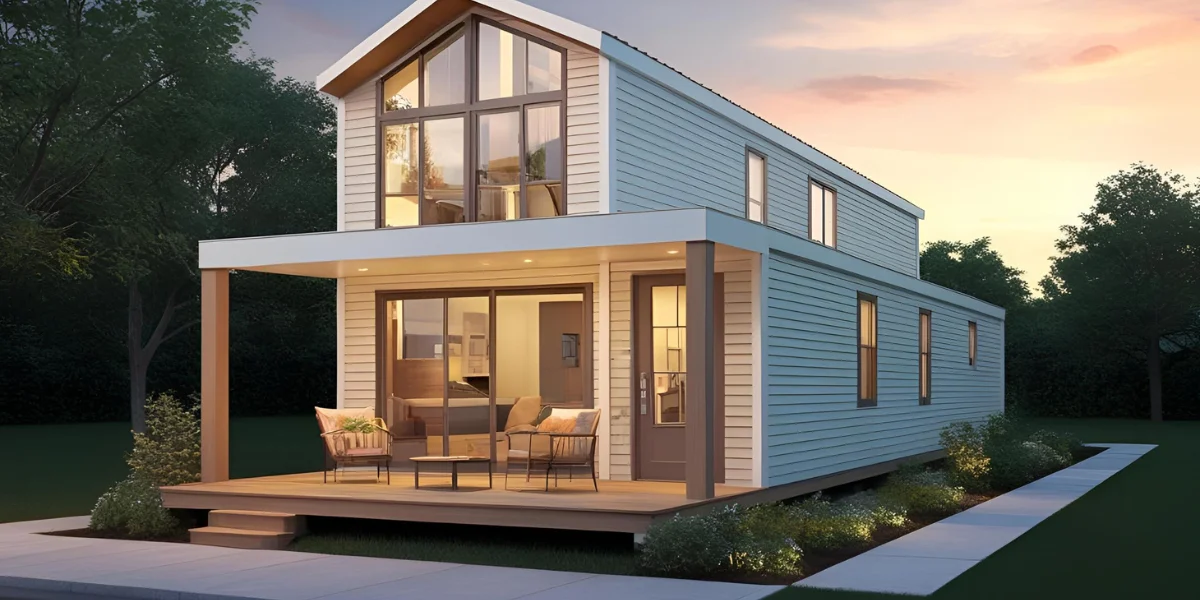
All those who tend to presume whether the cost of the modular house will also include delivery or not are wrong; in fact, this assumption is only ‘partially’ true. The costs of shipping the modules from the factory to your parcel could run quite high, especially when their destination is far away or takes a winding route. They will be installed in the foundations, using cranes and other special equipment. Costs like these are seldom mentioned upfront, and usually average a few thousand dollars added to your total.
Customizations And Upgrades
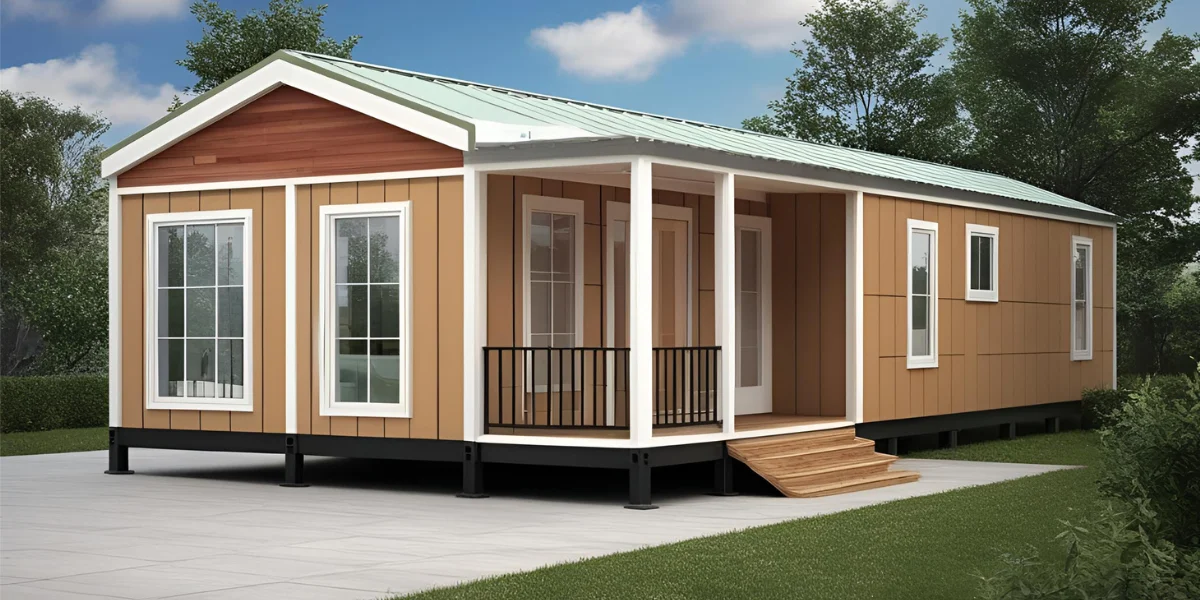
Modular homes come with many design options, not all of which are included in the price base. Upgrades for countertops, cabinets, floors, fixtures, or appliances can add up rather quickly. Customization of the floor plan, increases in square footage, or high-style material along may require structural changes that, again, are at a premium. Properly scrutinizing what is charged as extra concerning the standard will help better manage your expectations and your budget.
Landscaping And Driveways
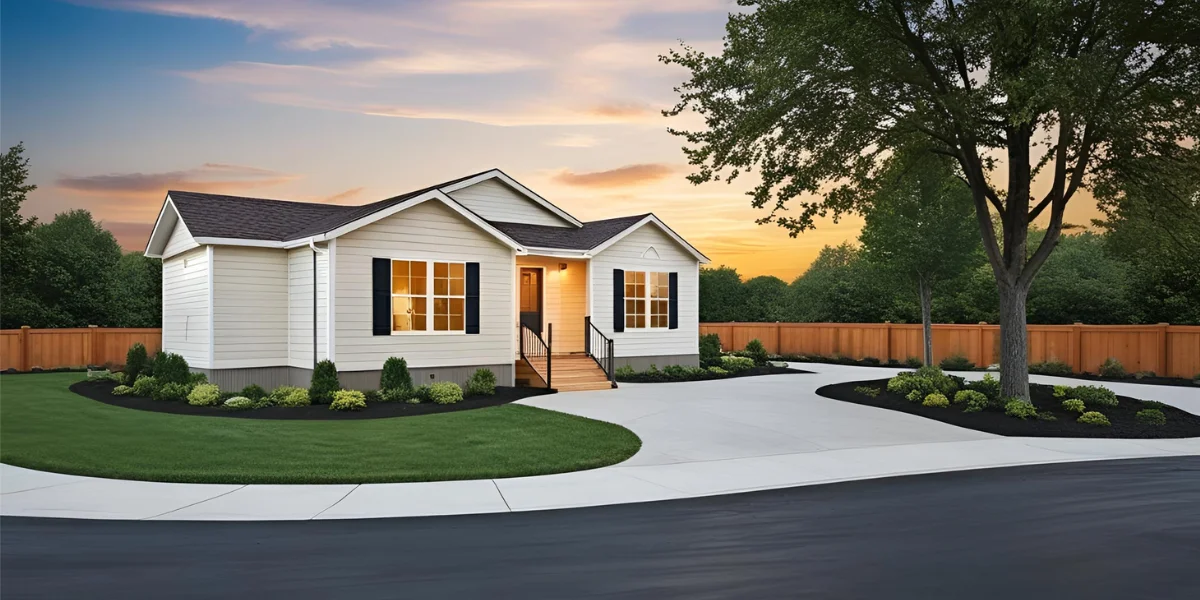
So once building the house, most homeowners are usually looking to improve the landscape that surrounds it. In two words, landscaping varies from pocket-friendly to really expensive, depending on what dreams you have for the area. There is cost everywhere, from turf to trees, shrubs, and flowerbeds, etc. Also, driveways or sidewalks need to be installed, which can cost a couple of thousands bucks, depending on the distance and materials used. Normally, these are not included in your builder’s pricing.
Financing Fees And Interest
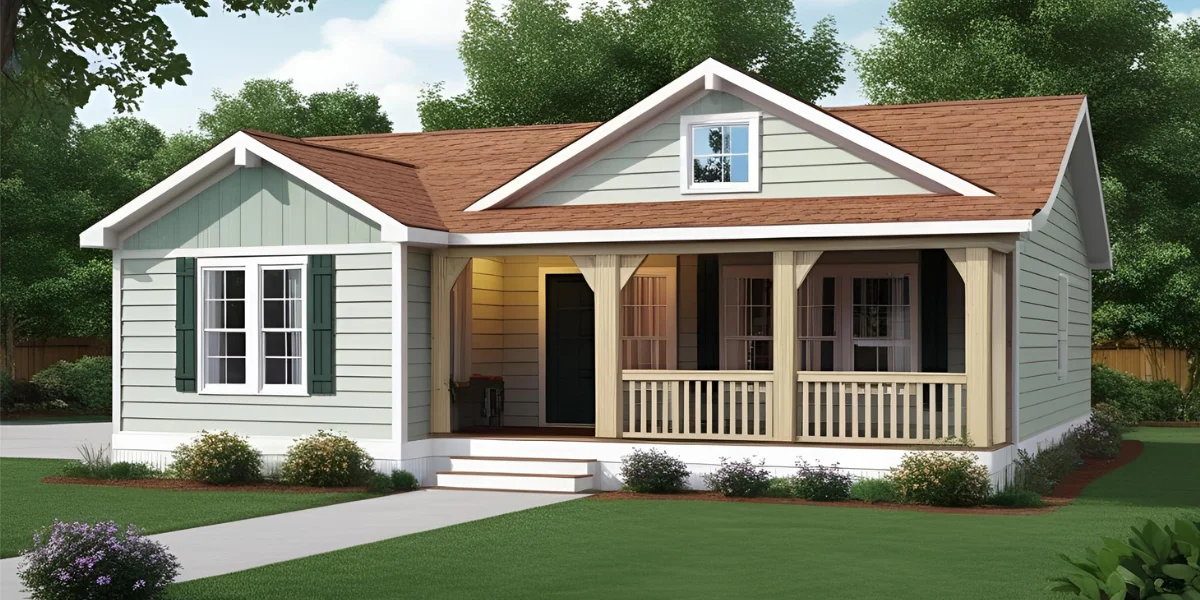
The lending process of modular home financing is completely different from that of traditional stick-built homes. Leading some lenders to classify modular homes in such a way that affects your ability to buy a mortgage for them. You may also be required to make larger down payments or pay higher rates of interest. Moreover, constructions loans often have terms that differ from standard loans such as interest payments during the construction phase. If financing is not properly factored in beforehand, this can change your entire cost picture.
Post-Construction Finishing Costs
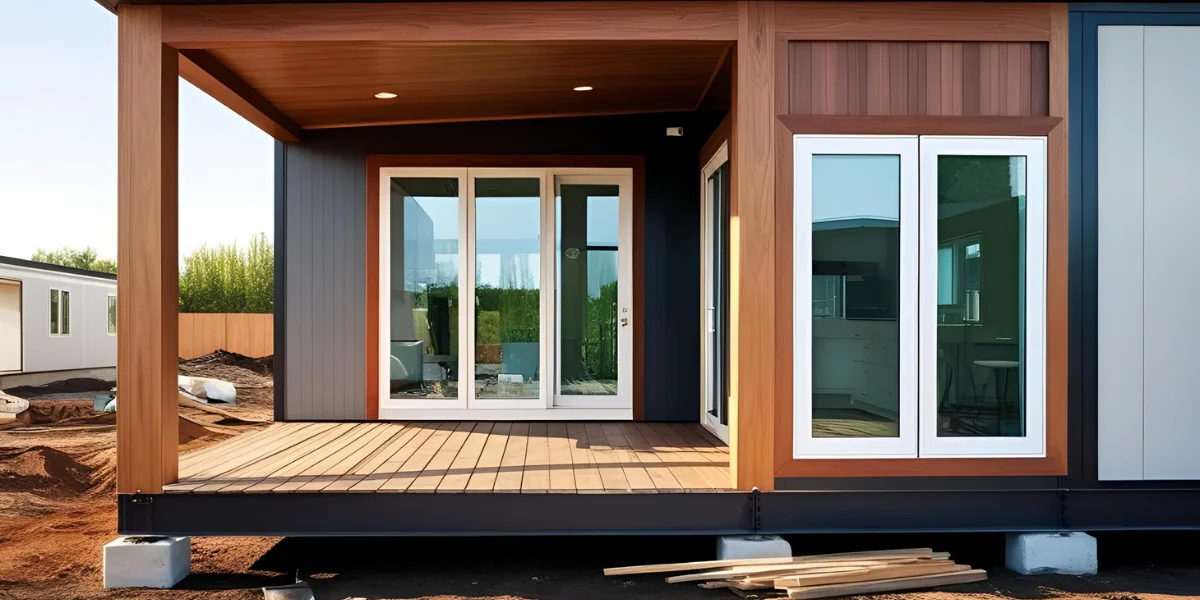
Costs associated with preparing the modular home for move-in continue after it is assembled and set on its foundation. These include some interior finishing touches like painting, trim work, and floor transitions and skirting around the home’s base, stairs, decking, or porches that may also need installation to be up to par. These jobs fall most often to the homeowner or a subcontractor, generally expensive, and take up much valuable time as well.
Why Understanding Hidden Costs Matters
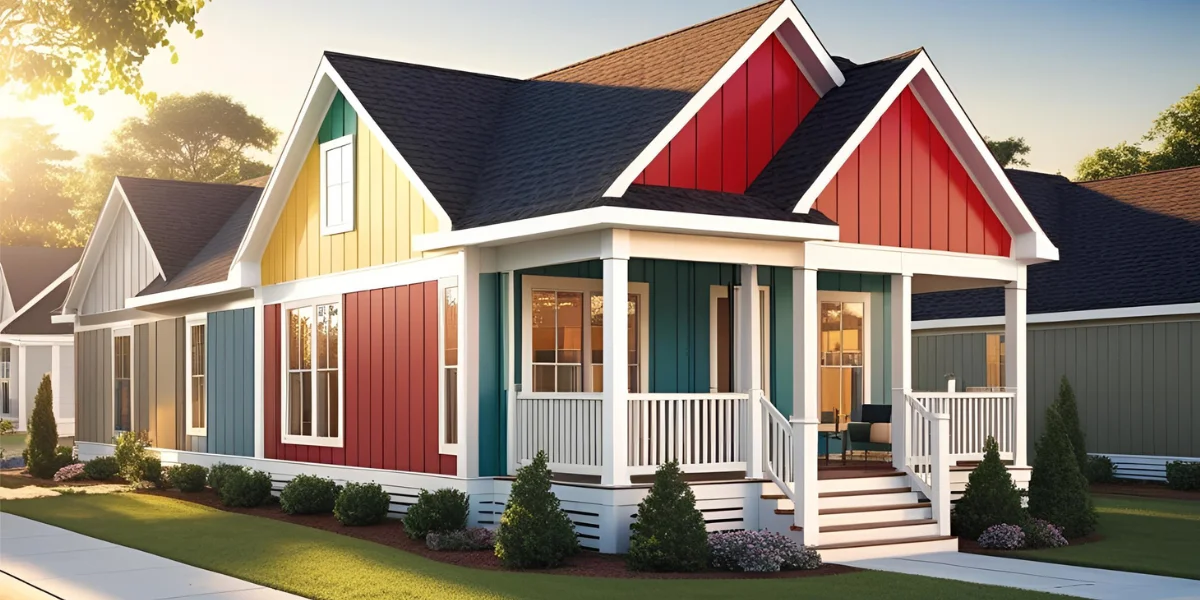
Modular homes can be a great budget-friendly alternative for some, but it is critical to consider any hidden costs that may arise. If not planned and budgeted for within a care, you may find out that they also come with unexpected costs on your hands that will not be friendly to your finances. To avoid any nasty surprises, it is best to work with a reputable builder who affords transparency regarding costs and services.
Tips For Managing Hidden Costs
If you want to keep your modular home project within budget, consider the following tips:
- Do thorough research on what’s included in the base price and what’s not.
- Get itemized quotes from contractors and suppliers to avoid vague pricing.
- Ask your builder for a complete list of necessary site preparations and finishing tasks.
- Speak with other homeowners who’ve gone through the process to understand real-world expenses.
- Budget a contingency fund of 10-15% to handle unexpected costs.
Planning ahead and being well-informed can help you enjoy the benefits of modular home living without falling into common financial traps.
Conclusion
Spark Homes Texas knows how fun and interesting it can be to purchase a modular home. From the first moment with the team, everything is done with transparency, accountability, and excellence. Through every detail-from land preparation to utility hookups-you are kept informed and prepared to take the next steps. With experience from all parts of Texas, we work to ensure our clients get the most value, when avoiding the many costly surprises.
Are you ready to look into your modular home options? Call us today at (830)-251-2110 and let’s get started on making your new home.
FAQs
Are modular homes cheaper than traditional homes?
Yes, modular homes typically cost less than traditional site-built homes. However, hidden costs like land preparation, utility connections, and permits can add to the total.
How much should I budget for land prep?
Depending on the location and condition of your land, site preparation can cost between $5,000 and $25,000. Always get a land evaluation first.
Is financing available for modular homes?
Yes, most modular homes are eligible for traditional mortgage loans. Make sure to include all associated costs when applying.
What are the most overlooked costs?
People often forget about permits, utility connections, driveways, and landscaping. These can easily add $10,000–$30,000 or more to your project.
Can I customize my modular home?
Yes. Modular homes can be customized with additions like porches, garages, and interior upgrades, but these will raise the total cost.
Are modular homes taxed the same as regular homes?
Once placed on a permanent foundation, modular homes are taxed like traditional real estate. Expect yearly property taxes.
Do I need insurance before moving in?
Yes. You’ll need to insure your modular home before or immediately after setup. Rates may vary depending on location and home value.
Leave a Reply
You must be logged in to post a comment.