
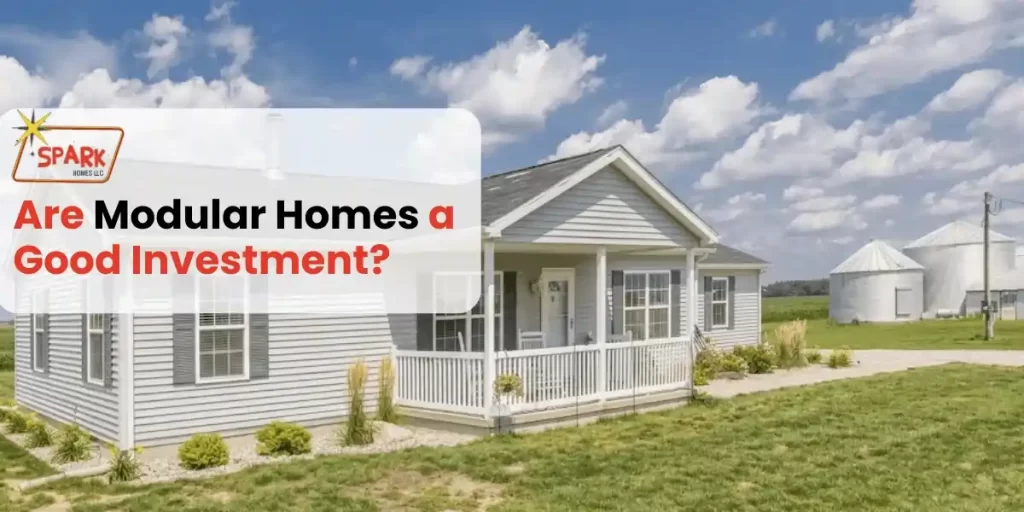
Modular homes have become a popular alternative to traditional stick-built houses. They’re built off-site in a factory setting, then transported and assembled on your property. As housing costs rise and buyers look for more efficient solutions, modular homes continue to grow in demand.
But the big question is: Are modular homes a good investment? In this guide, we’ll walk you through the pros, cons, value potential, and real-life considerations to help you decide if a modular home is right for you.
What Is a Modular Home?
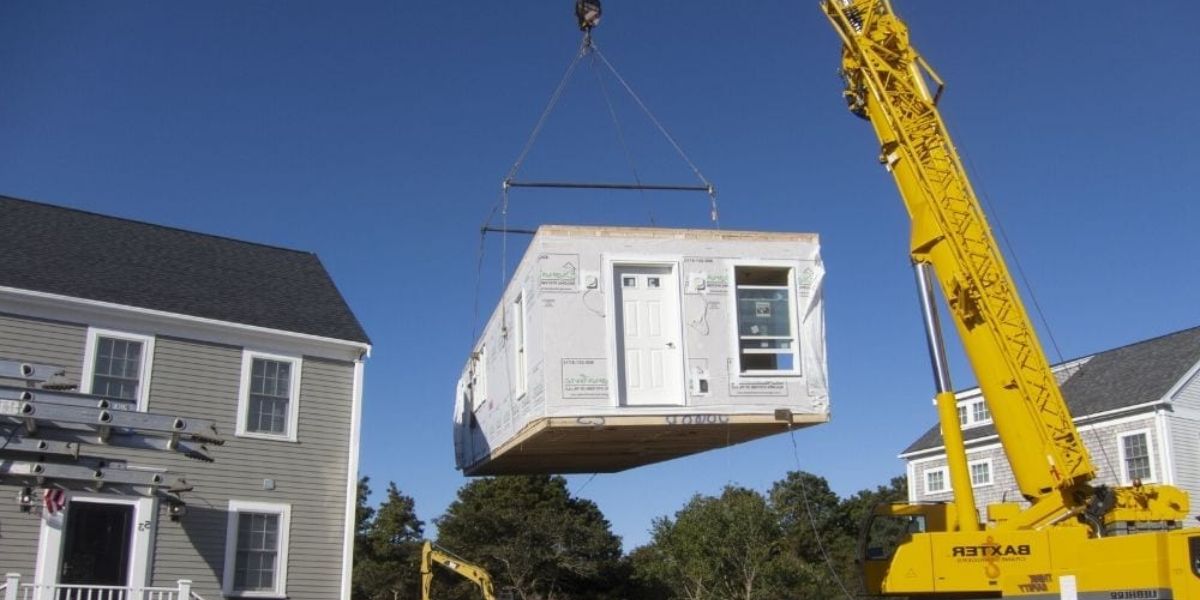
A modular home is a house built in sections at a factory, then shipped to a location where it’s assembled on a permanent foundation. It’s different from a manufactured home (which is built entirely off-site and often not placed on a permanent foundation).
Unlike mobile homes, modular homes must meet the same building codes as traditional homes, making them more stable and long-lasting.
Are Modular Homes a Good Investment in 2026?
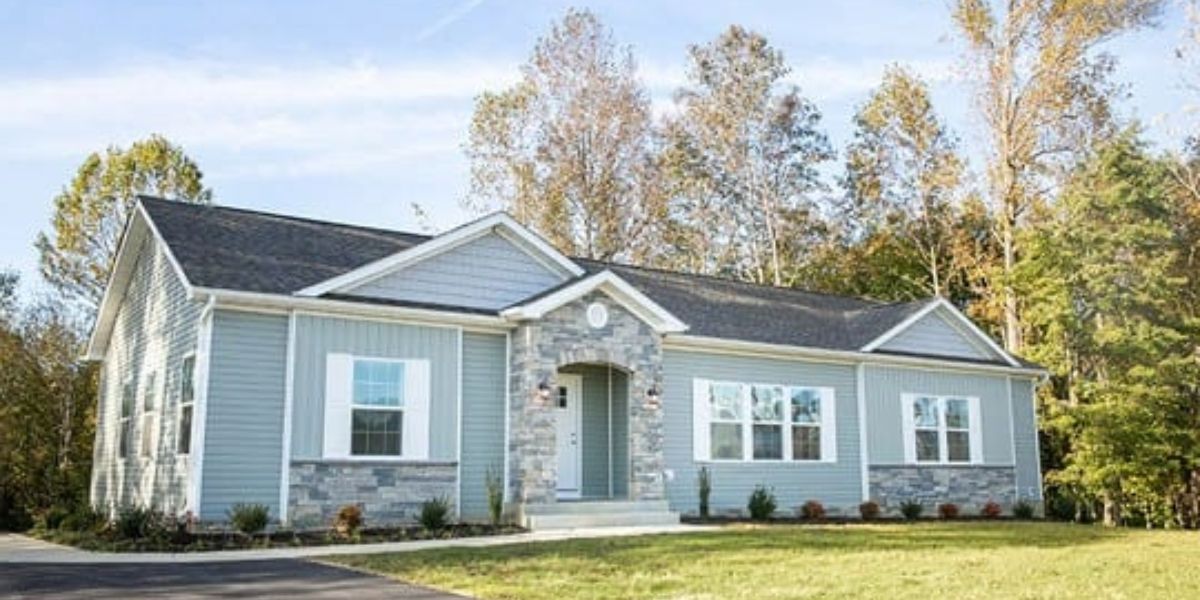
Yes, modular homes can be a good investment in 2026 especially if you’re looking for affordability, energy efficiency, and faster construction timelines. Their popularity is rising among first-time buyers, retirees, and real estate investors.
However, like any real estate decision, your return on investment depends on various factors:
- Location
- Market trends
- Quality of construction
- Maintenance
Let’s explore why modular homes are gaining attention from savvy investors and homeowners.
Pros of Investing in a Modular Home
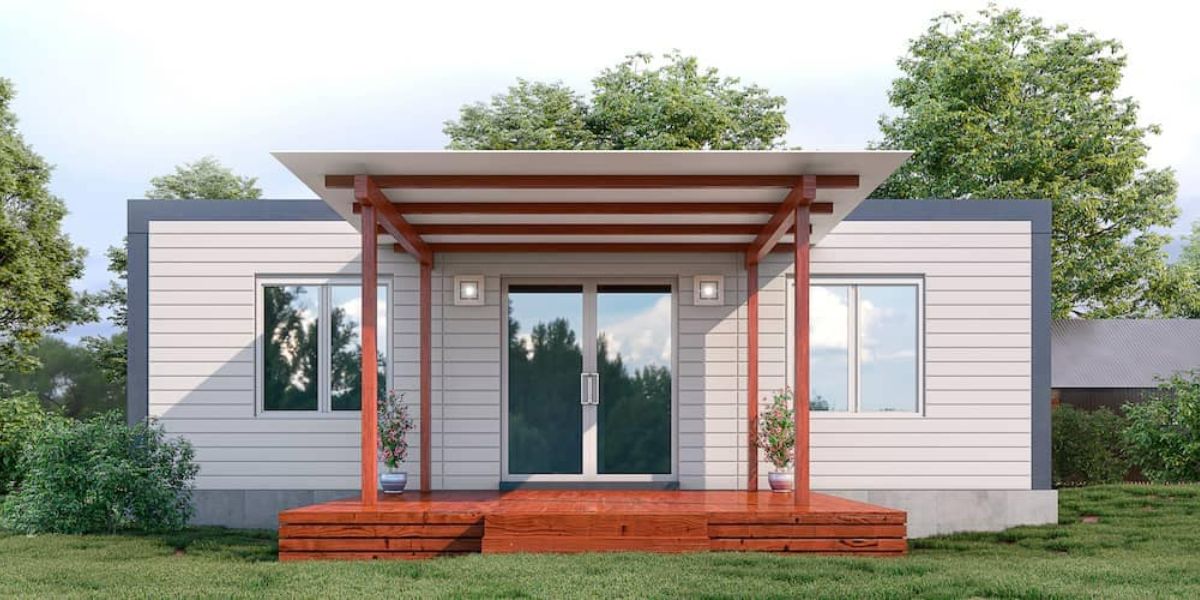
Here are some clear advantages:
Lower Costs
Modular homes are generally cheaper than traditional site-built homes. You can save 10% to 20% on construction costs.
Faster Build Time
Construction typically takes 2–3 months compared to 6–12 months for site-built homes.
Customization Options
You can choose floor plans, finishes, layouts, and more just like a traditional home.
Energy Efficiency
Most modular homes are built with energy-efficient materials and features, helping reduce utility costs.
Environmentally Friendly
Factory-built homes reduce material waste, making them more sustainable.
High-Quality Control
Since they’re built in a controlled factory environment, modular homes often have better quality assurance.
Read Also: Community Clara Ridge Ranch In Marion, TX
Disadvantages of Modular Homes
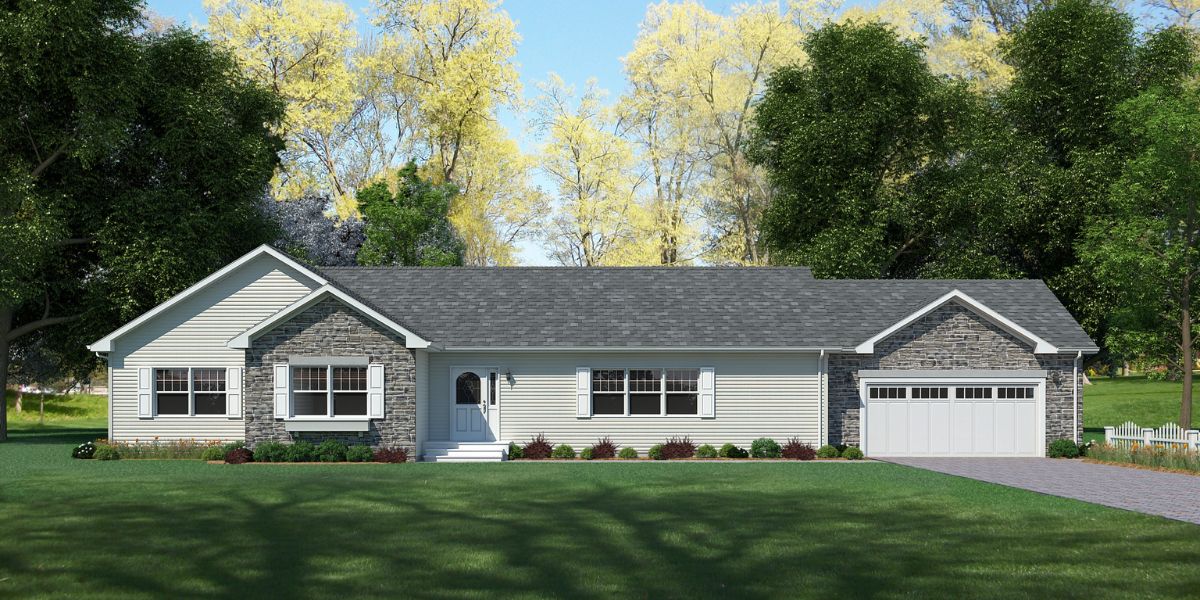
While modular homes offer many benefits, there are some downsides to consider:
Financing Can Be Tricky
Not all lenders offer modular home loans, and you might need a construction loan first.
Land Purchase Required
You’ll need to own or buy land, which can add significantly to your total cost.
Limited Builders in Some Areas
Finding experienced modular home builders near you might be a challenge in rural or remote regions.
Zoning and Permits
Local regulations may be stricter or slower for modular home placements.
Resale Challenges
Some buyers still misunderstand modular homes and may be hesitant, making resale slightly more complicated.
Do Modular Homes Hold Their Value?
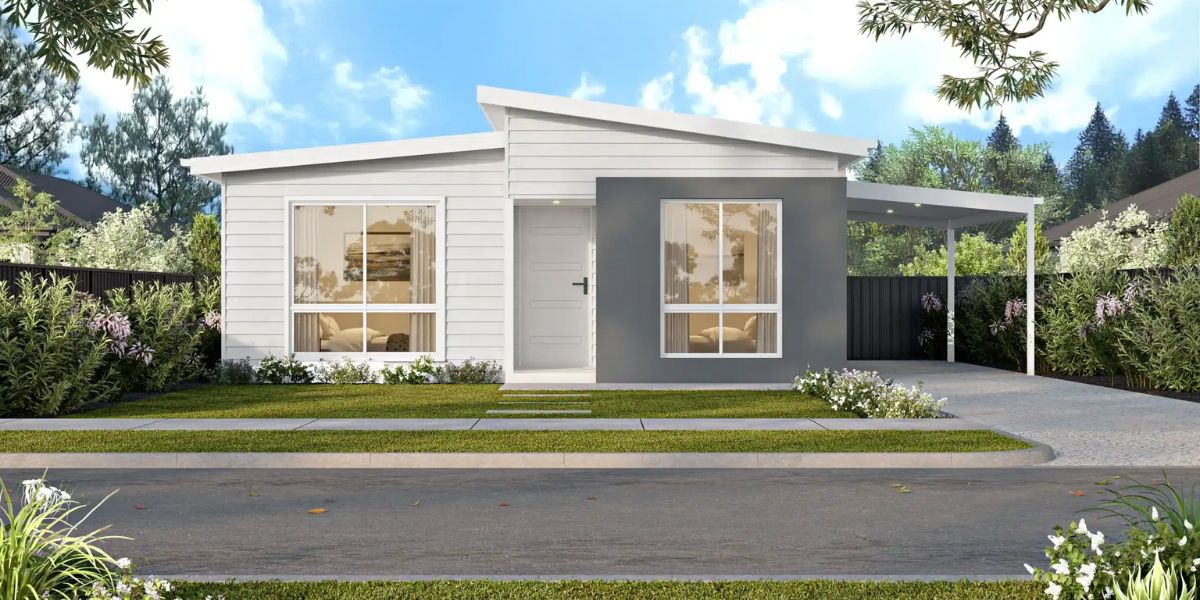
Yes, most modular homes hold their value well, especially when maintained properly and placed in desirable areas.
They’re built to the same standards as site-built homes, which helps maintain long-term durability. You’ll want to:
- Keep up with maintenance
- Choose a location with good resale demand
- Ensure quality installation
Unlike manufactured or mobile homes, modular homes appreciate in value much like traditional homes especially if they’re installed on a permanent foundation.
Are Modular Homes Good Quality?
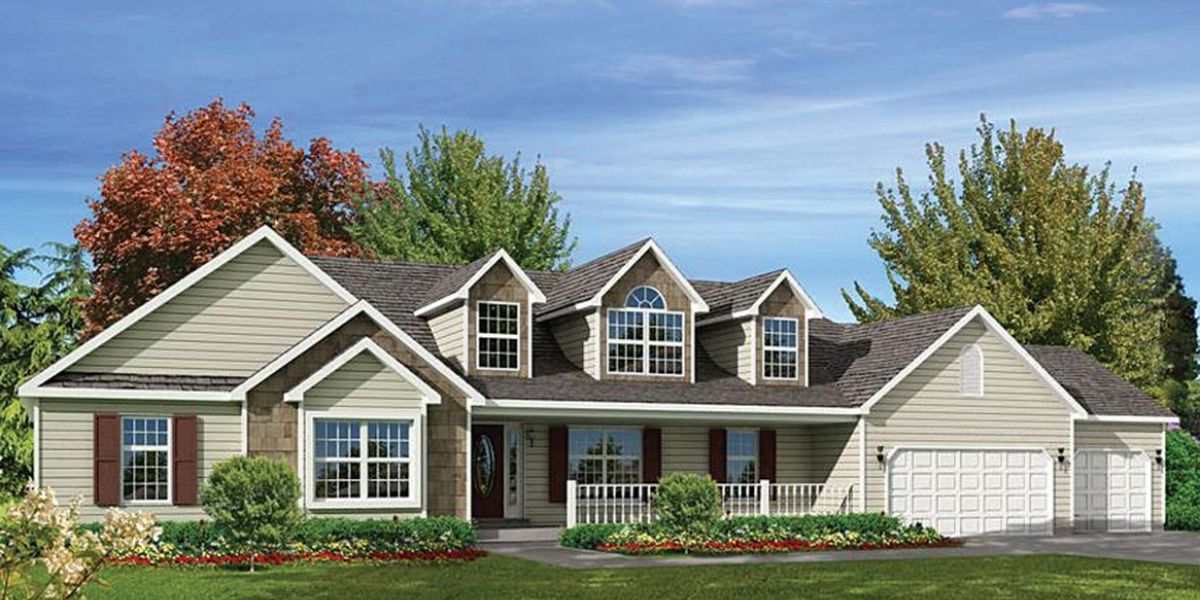
Definitely. Modern modular homes are built using strong materials, with tight quality control in factories. In many cases, they can even be more durable than site-built homes because they must withstand transport stress.
You’ll find modular homes made with:
- Strong insulation
- Energy-efficient windows
- Durable roofing and siding
So if you’re wondering “are modular homes good quality?”, the answer is a clear yes just make sure you choose a reputable builder.
Are Modular Homes Cheaper Than Traditional Homes?
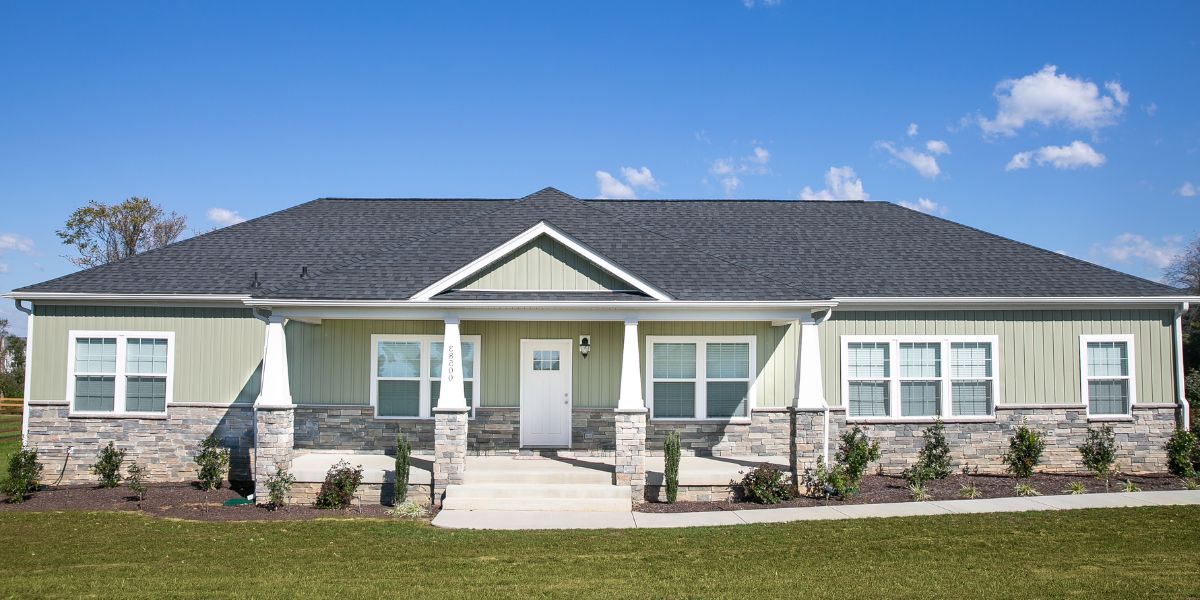
Yes, modular homes are generally more affordable:
- Factory production saves money on labor and materials.
- Faster construction lowers project costs.
- Customizations are often cheaper than on-site builds.
Keep in mind: You’ll still need to budget for land, permits, utility connections, and possibly landscaping.
So, while the base home may be cheaper, your total investment depends on other factors.
Common Problems With Modular Homes

No home is perfect here are some common problems with modular homes you should know:
1. Transportation Damage
Occasionally, damage can occur during delivery and setup. However, most companies offer warranties.
2. Inconsistent Builders
Not all contractors are skilled in modular installations, so research your team carefully.
3. Foundation Shifting
Just like traditional homes, improper foundation work can lead to future issues.
4. Limited Design Flexibility
While many customizations are possible, certain complex designs may be harder to achieve in modular format.
Who Should Consider Buying a Modular Home?
Modular homes are ideal for:
- First-time homebuyers on a budget
- Seniors looking to downsize
- Real estate investors seeking rental properties
- Families wanting faster move-in timelines
If you value affordability, speed, and energy savings, modular homes are worth a serious look.
Final Thoughts
So, are modular homes a good investment in 2026? Absolutely for the right buyer. They’re cost-effective, efficient, and more customizable than ever.
But they’re not for everyone. Consider your land, location, financing options, and long-term plans.
If you’re ready to explore high-quality modular homes in Texas, reach out to Spark Homes Texas. We’re here to guide you every step of the way. Call us today at +1 830-251-2110 to get started.
FAQs
What are the disadvantages of a modular home?
Disadvantages include limited financing options, land purchase requirements, potential transportation damage, and fewer experienced builders in rural areas.
What is the life expectancy of a modular home?
With proper maintenance, a modular home can last 50 years or more — the same as a traditional stick-built home.
Do modular homes hold their value?
Yes, modular homes hold their value well, especially when placed on permanent foundations and maintained properly.
Is it harder to sell a modular home?
Sometimes, yes. Buyers unfamiliar with modular construction may hesitate, but education and good marketing can make a big difference.
Are modular homes a good investment?
Yes, for many buyers modular homes are a smart investment they’re affordable, energy-efficient, and durable.
Are modular homes good quality?
Absolutely. Most are built to strict standards and offer high durability, energy savings, and comfort.
Are modular homes cheaper?
Yes. Modular homes typically cost less to build than traditional homes due to faster construction and factory efficiencies.
What are common problems with modular homes?
Issues may include transportation damage, foundation issues, or inexperienced contractors but these can be avoided with proper planning.