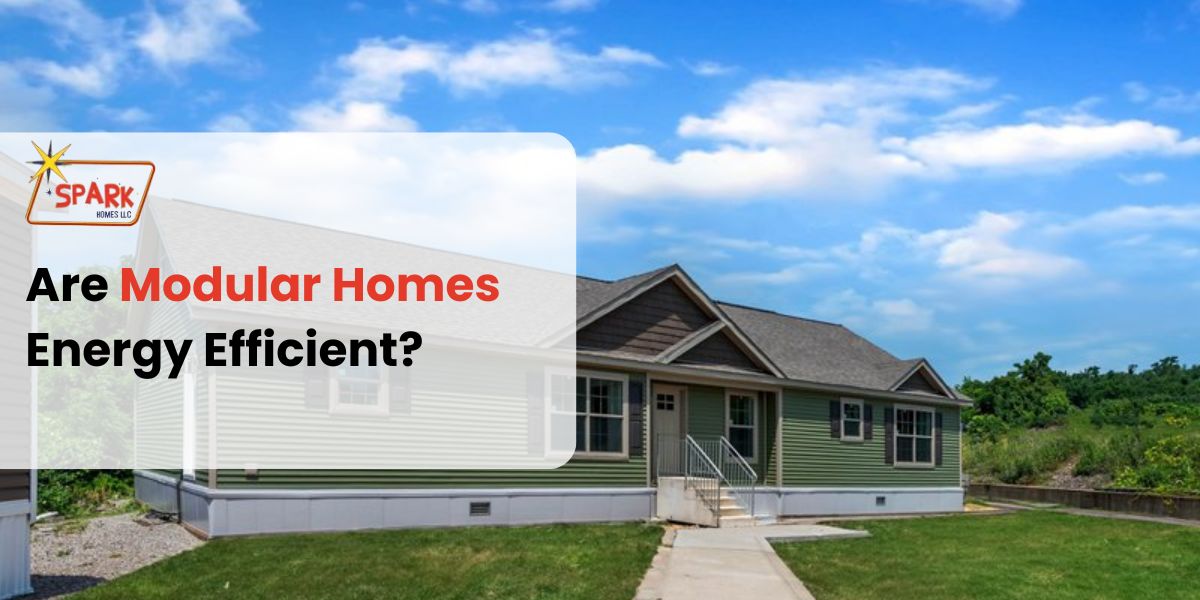
Modular homes are becoming more popular every year and one of the biggest reasons is their promise of being energy efficient. But how true is that? Are modular homes really more efficient than traditional houses?
Let’s explore what makes modular homes special, how they help save energy, and what you should know before building or buying one.
What Does “Energy Efficient” Mean for a Home?
When we talk about energy efficiency, we simply mean a home that uses less power to stay comfortable all year. An energy-efficient home stays warm in winter and cool in summer while keeping utility bills low.
A few things make this possible:
-
Strong insulation to hold in heat or cool air
-
Sealed windows and doors to stop drafts
-
Modern heating and cooling systems
-
Energy-saving lighting and appliances
-
Smart design that reduces waste
Now let’s see how modular homes check all these boxes.
Why Modular Homes Can Be Energy Efficient
1. Built Indoors for Better Quality
Modular homes are built inside a factory, not outside in the weather. This means materials stay dry, workers can use precise tools, and builders can seal the home more tightly.
Because of this, modular homes often have fewer air leaks and stronger walls which means less energy lost through gaps or cracks.
2. Better Insulation and Airtight Design
Most modular homes use high-quality insulation inside walls, floors, and ceilings. Some even use advanced panels that keep warm and cool air inside longer.
A well-insulated home doesn’t need as much heating or cooling, which saves money every month.
3. High-Performance Windows and Doors
Energy-efficient modular homes are usually designed with modern, double-pane windows and insulated doors. These keep your indoor temperature steady and block outdoor heat or cold.
4. Smart Systems and Layouts
Because modular homes are designed piece by piece, builders can plan how air flows, where sunlight enters, and how systems like HVAC and ventilation work together.
That careful planning helps you get a modern energy efficient home that runs smoothly and costs less to maintain.
Real Examples of Energy Efficient Homes
Across the U.S., more families are moving into energy efficient modular homes near me and saving big on power bills.
For example, homeowners often report using 20–30% less energy than in older stick-built homes. Some modern modular homes, built with solar panels or advanced insulation, use up to 60% less energy each year.
These energy efficient homes examples show how smart design and technology make a real difference both for your wallet and the environment.
Are Modular Homes More Energy Efficient Than Regular Houses?
In most cases, yes modular homes can be more energy efficient than traditional homes.
Because they’re built in a controlled environment with consistent quality checks, modular homes usually have better insulation, tighter seals, and more efficient systems.
However, it depends on the builder and design choices. A poorly built modular home won’t perform well, but when made by experts, it can easily outperform most site-built houses.
Common Problems with Modular Homes
Even though modular homes have many benefits, they’re not perfect. Let’s look at common problems with modular homes and how to handle them:
-
Poor installation: If modules aren’t sealed tightly on site, air leaks can happen.
-
Limited design options: Some modular homes may have fewer floor plan changes available.
-
Transportation damage: Sections can get minor damage when moved to your land.
-
Zoning rules: Some cities have extra rules for modular and manufactured homes.
-
Financing: Certain lenders may require more paperwork.
These are not deal-breakers just things to plan for when working with your Modular home dealer.
The Pros and Cons of Modular Homes
Let’s weigh the main advantages and disadvantages.
Advantages (Pros)
-
Faster construction and less weather delay
-
Better insulation and sealing
-
Lower energy bills
-
Consistent factory quality
-
Less material waste
-
Easy to customize for energy efficiency
Disadvantages (Cons)
-
Upfront cost may be slightly higher for energy-saving materials
-
Limited design flexibility compared to on-site homes
-
Transporting large sections adds logistics costs
-
Some buyers still misunderstand modular quality
Overall, most homeowners feel the benefits outweigh the drawbacks especially when long-term energy savings are considered.
Are Modular Homes Worth It?
One of the most common questions buyers ask when comparing housing options is whether modular homes are a smart long-term choice. This question often comes up during a Barndominium Home vs Modular Home comparison, especially for buyers weighing cost, efficiency, and durability.
Modular homes are generally worth considering for those who value consistent build quality, predictable timelines, and long-term savings. While the upfront price can be slightly higher than some alternatives, modular construction often results in better energy performance, tighter building standards, and fewer structural issues over time. These factors can reduce utility costs and maintenance expenses year after year.
Compared to other housing styles, modular homes also offer modern designs and layouts that closely resemble traditional site-built houses. When properly designed and installed, they provide a strong balance of affordability, efficiency, and lasting value, making them a practical option for many homeowners.
Are Modular Homes Good Quality?
Many people assume modular homes are low quality but that’s far from true.
Because they’re built indoors, every section goes through detailed inspections before leaving the factory. Builders can control temperature, humidity, and precision much better than on a construction site.
This process results in stronger walls, straighter framing, and cleaner finishes.
In short, modular homes are good quality, and often better than homes built outdoors under changing weather.
Are Modular Homes More Expensive?
It depends on your design and materials.
Basic modular homes are usually less expensive than traditional homes because they take less time and labor to build. However, if you add high-end materials or energy-saving features like solar panels, the price can increase.
But remember spending a little more upfront can save a lot later in energy bills. So even if modular homes are more expensive at first, they’re often more cost-effective in the long run.
Are Manufactured Homes Energy Efficient Too?
Manufactured homes (sometimes called mobile homes) have improved a lot in recent years.
Modern versions use better insulation, energy-efficient windows, and sealed duct systems. So yes, manufactured homes are energy efficient especially when built with the same high standards as modular homes.
However, modular homes usually have thicker walls and more customization options, giving them an extra edge in overall performance.
What Are the Advantages of a Modular Home?
Here’s a quick list of why many homeowners love modular living:
-
Built faster with less waste
-
Easier to make energy efficient
-
Lower long-term costs
-
Flexible design options
-
Built under consistent quality checks
-
Eco-friendly and sustainable
When designed well, modular homes can become the most energy efficient home construction method available today.
Are Mobile Homes Energy Efficient?
Modern mobile homes are much better than older models. New designs come with improved insulation, double-pane windows, and efficient heating and cooling systems.
While not every mobile home is perfect, newer ones can still be energy efficient homes examples especially when built with eco-friendly materials and technology.
Tips to Make Your Modular Home More Energy Efficient
Even if modular homes are already efficient, you can make them even better by:
-
Adding solar panels or renewable energy systems
-
Choosing LED lighting and smart thermostats
-
Using energy-saving appliances
-
Installing thicker insulation and sealing air gaps
-
Adding window shades or tinting to control sunlight
-
Using proper ventilation to keep air fresh without wasting energy
Simple improvements like these can make a big difference in how much energy your home uses.
How to Avoid Energy Problems
To avoid issues, always work with a trusted Modular home dealer who has experience in energy-efficient design. Ask for proof of insulation ratings, airtightness tests, and appliance efficiency levels.
Also, check how your builder handles the joints where modules connect this is one of the most important parts for long-term energy performance.
If done right, you’ll enjoy a strong, well-insulated home that stays comfortable all year round.
Final Thoughts
So, are modular homes energy efficient?
Yes and in many ways, they’re leading the future of home building.
With precise factory construction, better insulation, and modern energy systems, modular homes help you live more comfortably while saving money and energy.
They’re not just smart for your budget they’re smart for the planet too.
If you’re looking for energy efficient modular homes near me in Texas, Spark Homes Texas can help. As an experienced Modular home dealer, we specialize in high-quality, modern modular homes designed for performance, comfort, and long-term value.
Call (830) 251-2110 today to learn more about building your own modern energy efficient home that fits your lifestyle and future.
Leave a Reply
You must be logged in to post a comment.