
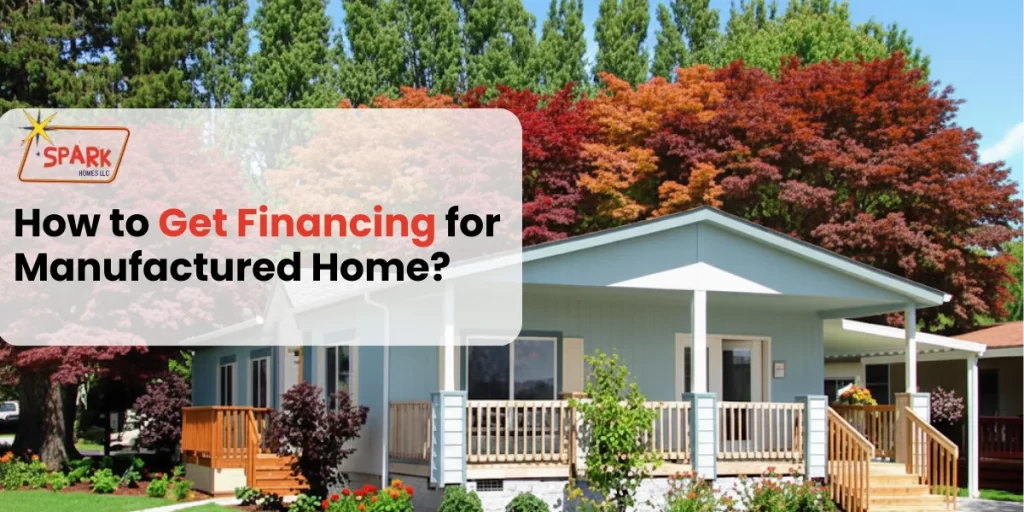
Buying a factory-built home in Texas is one of the most affordable ways to achieve homeownership. These homes provide quick construction, cost savings, and flexible designs, making them a popular choice for first-time buyers, retirees, and families looking to maximize their budget. While they are an excellent alternative to traditional site-built homes, securing the right financing can feel confusing. Lenders treat these homes differently depending on factors like land ownership, credit history, and income, which makes understanding your options essential.
This guide covers everything you need to know about financing pre-manufactured homes in Texas, including government-backed loans, conventional mortgages, and chattel loans. You’ll also learn how to prepare your finances, compare interest rates, and meet lender requirements, giving you the confidence to navigate the loan process smoothly.
Why Financing Options Differ for Factory-Built Homes
Not all loans are created equal, and manufactured homes Texas are treated differently depending on their setup. Lenders categorize homes as either real estate or personal property. If a home is permanently affixed to land that you own, it’s usually considered real estate. This opens doors to standard mortgage programs, lower interest rates, and longer repayment terms.
Homes on leased land or not permanently installed fall into the personal property category. Lenders view these as higher-risk loans, which often leads to shorter repayment periods and higher interest rates. Understanding this distinction early helps you avoid surprises and ensures you apply for the loans most likely to be approved.
In Texas, this distinction also impacts property taxes, insurance requirements, and resale value.
For example, homes on leased land may not appreciate in value as much as those on owned land. This is an important consideration when evaluating financing options.
Exploring Government Loan Programs
Government-backed loans provide flexible options for buyers with limited savings or less-than-perfect credit. These programs often have favorable terms and low down payments, making them ideal for first-time homeowners.
FHA Loans: The Federal Housing Administration offers two main programs for manufactured homes. Title I loans can finance the home alone or the home plus land together. Title II loans treat your home as real estate if it is permanently installed, offering longer terms and lower monthly payments. FHA loans are widely available and easier to qualify for than conventional mortgages.
VA Loans: Eligible veterans, active military members, and spouses can benefit from VA loans, which offer financing. To qualify, the home must be your primary residence and permanently attached to land. VA loans do not require private mortgage insurance and often have competitive interest rates, making them an excellent option for eligible buyers.
USDA Loans: These loans are ideal for rural Texas homes. USDA programs provide financing to qualified applicants, though eligibility depends on income and location. Buyers in rural home communities can take advantage of this program to make manufactured homes more affordable.
These programs help make homeownership more accessible and can often save buyers money compared to conventional loans.
Understanding Conventional and Private Loans
For buyers who don’t qualify for government programs, conventional and private loans provide alternative paths for pre-manufactured homes loans.
Conventional Loans: Banks and credit unions provide mortgages for manufactured homes installed on owned land. Programs like MH Advantage and CHOICEHome enable buyers to put down as little as 3% while taking advantage of competitive interest rates. These loans are often longer-term, helping reduce monthly payments.
Chattel Loans: These loans apply to manufactured homes on leased land or homes treated as personal property. While flexible, they typically come with higher interest rates and shorter repayment terms. Chattel loans are a common option for mobile home parks or private land leases.
Private Loans and Land-Home Packages: Some lenders provide specialized loans combining land and home financing or catering to unique circumstances like used manufactured homes. These loans may vary in terms, rates, and approval requirements, making it essential to shop around for the best option
What Lenders Look for Before Approving a Loan
Before approving your loan, lenders carefully review several key factors to ensure you can handle the financial responsibility of homeownership. Understanding what they look for can help you prepare and improve your chances of approval.
Credit Score: Your credit score is one of the most important indicators of your financial reliability. Higher scores not only increase your chances of approval but often result in lower interest rates, saving you thousands over the life of your loan.
Even minor improvements, like paying down debts or correcting errors on your report, can make a significant difference.
Debt-to-Income Ratio: Lenders assess your ability to manage new payments alongside existing debts. A healthy debt-to-income ratio demonstrates that you can comfortably afford monthly loan obligations without overstretching your budget.
Property Standards: Inspectors will evaluate your home to ensure it meets minimum safety and quality standards. They check the foundation, construction quality, age, and compliance with HUD or state regulations. Homes that meet or exceed these standards are easier to finance and often qualify for better loan terms.
Documentation: Lenders require proof of income and financial stability. Keep pay stubs, bank statements, tax returns, and any supporting documents ready. For self-employed applicants, profit and loss statements or business tax returns may also be necessary. Organized documentation not only speeds up the process but signals to lenders that you are a responsible borrower.
Texas-Specific Considerations: Local lenders may also consider property taxes, access to utilities, and insurance requirements when reviewing your application. For manufactured homes in Texas, factors like land ownership, zoning, and home type can affect eligibility and loan terms.
By addressing these factors ahead of time, you reduce delays, strengthen your application, and increase the likelihood of securing favorable loan terms. Being proactive demonstrates financial responsibility and builds lender confidence in your ability to manage a loan successfully.
Preparing Your Finances for Loan Approval
Getting your finances in order is just as important as meeting lender requirements. Proper preparation improves your chances of approval and can help you secure better loan terms. Key steps include:
Improve Your Credit: Pay down debts, correct errors, and avoid new loans before applying. Even small improvements can boost eligibility and lower interest rates.
Save for a Down Payment: Most loans benefit from some savings. A larger down payment reduces monthly payments and helps cover closing costs, insurance, and property taxes, especially in Texas.
Organize Documents: Keep pay stubs, bank statements, and tax returns ready. Self-employed buyers should also prepare profit and loss statements. Organized documents speed up the application process.
Seek Pre-Approval: Pre-approval clarifies your budget and shows lenders and sellers you are serious. It can help address potential issues before making an offer.
Plan for Contingencies: Set aside funds for unexpected expenses like repairs or property taxes. This shows lenders you can manage surprises without missing payments.
Proper preparation demonstrates responsibility and ensures a smoother, faster loan process.
Comparing Interest Rates and Loan Terms
Once your finances are ready, it’s important to understand how interest rates and loan terms affect your payments and overall cost. Loans whether government-backed, conventional, or chattel have different structures to consider:
Key differences include:
Loan Term: Conventional and government loans usually range from 20 to 30 years, which lowers monthly payments but increases total interest. Chattel loans for leased land often have shorter terms of 10 to 20 years, leading to higher monthly payments but faster payoff.
Monthly Payment: Even small differences in interest rates can change your monthly obligation. Longer terms reduce monthly costs but increase total interest, while shorter terms save money over time but raise monthly payments.
For example: A 30-year loan at 6% interest may cost $500 per month for principal and interest, while the same loan over 20 years could rise to $650 monthly but save thousands in interest over time.
Total Cost: Fees, points, and closing costs add to the loan’s total expense. Sometimes a slightly higher interest rate with lower fees is more affordable overall than a low-rate loan with high upfront costs.
Texas Market Considerations: Rates and terms vary by region. Urban areas like Austin or Dallas often have higher loan amounts, while rural areas may have fewer options but lower rates.
Shop Around: Compare multiple lenders, including local Texas banks and national lenders, to find the best combination of rate, terms, and fees.
Taking the time to compare options ensures you choose the most cost-effective loan and prevents unnecessary financial strain over the life of your home.
Financing Differences
When deciding on a home, it’s important to understand how financing differs between modular and manufactured homes. Modular homes are built in sections and typically financed like traditional site-built houses, while manufactured homes follow HUD guidelines and have unique loan rules.
Knowing these differences helps you select the right loan type, avoid surprises, and ensure a smooth financing process.
| Feature | Modular Homes | Manufactured Homes |
| Construction Type | Built in sections in a factory and assembled on-site | Fully factory-built, transported to site, HUD-certified |
| Financing Type | Conventional mortgage loans, treated like site-built homes | HUD-based loans; FHA, VA, USDA, or chattel depending on land ownership |
| Loan Term | Typically 15–30 years | 15–30 years for real estate loans, 10–20 years for chattel loans |
| Interest Rates | Generally lower, similar to traditional mortgages | Varies by loan type; chattel loans usually have higher rates |
| Down Payment | 3–20%, depending on program and lender | 0–20%, depending on government program or lender |
| Eligibility | Standard credit requirements for conventional loans | Varies by program (FHA, VA, USDA, private lenders) |
| Land Requirements | Must be on owned land for mortgage financing | Can be on owned or leased land; loan type changes accordingly |
| Insurance Requirements | Standard homeowner insurance | May require specialized manufactured home insurance |
Understanding these distinctions ensures you pick the right loan for your home type and land situation, making financing simpler and avoiding delays during the buying process.
Protecting Your Investment with Insurance
Insurance is a crucial step in protecting both your manufactured home and your lender’s investment. Without proper coverage, unexpected events like storms, fire, or accidents could create financial setbacks or even jeopardize your loan.
Coverage Types: A policy typically includes protection for the home’s structure, personal belongings, and liability. Structure coverage ensures repairs or replacement if the home is damaged. Personal property coverage protects your furniture and belongings, while liability coverage safeguards you if someone is injured on your property.
Texas Considerations: Texas weather can be unpredictable, from hailstorms to floods. Make sure your policy meets state regulations and lender requirements. Some lenders may require additional riders for natural disasters or specific coverage amounts, depending on your home’s location and construction type.
Choosing the Right Policy: Shop around and compare multiple quotes to find the best balance of cost and coverage. Look beyond premiums, check deductibles, exclusions, and claim process reviews. A well-chosen policy not only protects your investment but also gives peace of mind knowing you’re prepared for unexpected events.
Having proper insurance provides financial security, ensures lender compliance, and smooths the loan process. Choosing the best manufactured home insurance can save money while protecting your investment.
Frequently Asked Questions
What’s the best way to finance a mobile home?
The best option depends on land ownership and credit. FHA loans, VA loans, USDA loans, conventional mortgages, and chattel loans are the most common choices. Homes on owned land usually qualify for lower rates and longer terms.
What is the minimum down payment for a manufactured home?
Down payments vary by loan type. FHA loans may require as little as 3.5%, some conventional programs allow 3%–5%, and chattel loans often require 5% or more. VA and USDA loans may offer zero down for eligible buyers.
What credit score is needed to finance a manufactured home?
Many FHA programs accept credit scores starting around 580, while conventional loans typically require 620 or higher. Some chattel lenders may approve lower scores with higher down payments.
Can I finance a manufactured home without owning land?
Yes. If the land is leased, lenders usually offer chattel loans, which have shorter terms and higher interest rates. Owning land often qualifies you for better mortgage options.
How long are manufactured home loan terms?
Mortgage-style loans usually offer 20–30 year terms, while chattel loans are shorter, often 10–20 years. Longer terms lower monthly payments but increase total interest.
Who is eligible for a mobile or manufactured home loan?
Eligibility depends on income, credit score, debt-to-income ratio, and property standards. Many programs also require the home to meet HUD guidelines and be used as a primary residence.
Conclusion
Financing a manufactured home in Texas doesn’t have to be complicated. When you understand loan options, lender requirements, land considerations, and insurance needs, you can move through the process with confidence. Each choice you make directly affects affordability, approval, and long-term stability.
Manufactured homes are a smart path to homeownership when the financing matches your budget and goals. Proper planning helps you avoid delays, reduce costs, and secure better loan terms.
For personalized guidance and expert support, contact Spark Home Texas. Our team understands Texas-specific financing and manufactured home requirements. Call (830) 251-2110 today to explore your best options and take the next step toward owning your home.