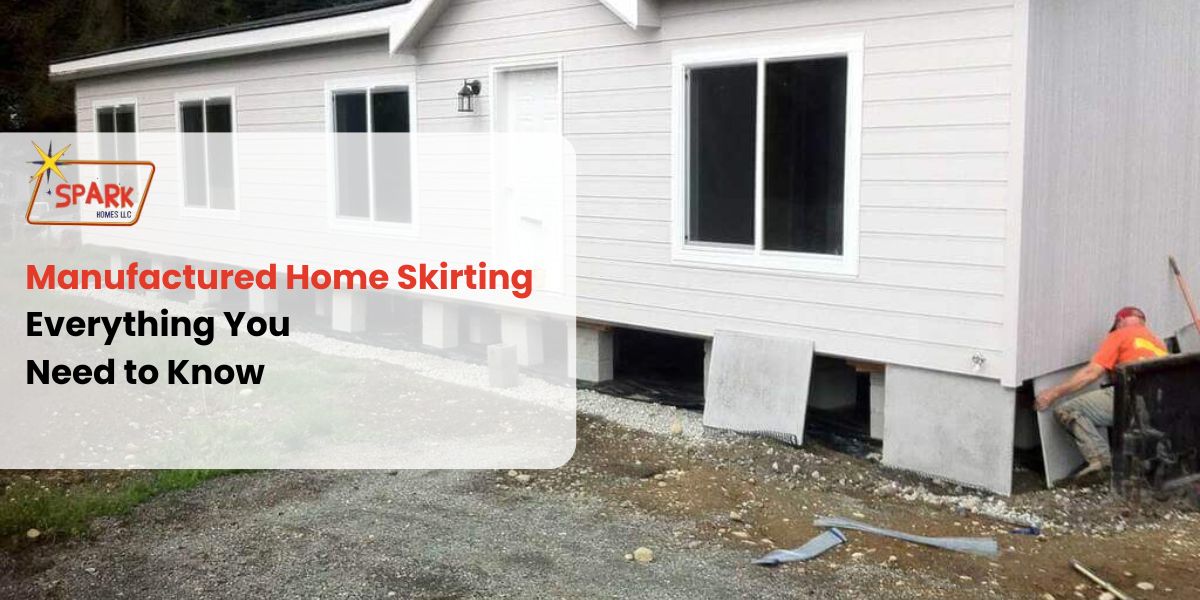
If you live in a manufactured home, you know it has a unique setup. Unlike traditional houses built on foundations, manufactured homes sit above the ground, leaving an open space underneath. While this design makes moving and setting up the home easier, it also leaves plumbing, electrical lines, and the undercarriage exposed to weather, animals, and debris.
That’s where manufactured home skirting comes in. Skirting (also called underpinning) is the material that covers that open space between the bottom of your home and the ground. It’s more than just decoration it protects your home, adds insulation, and boosts curb appeal.
In this guide, we’ll walk through the types of skirting, pros and cons, costs, installation steps, and maintenance tips. By the end, you’ll feel confident choosing the right skirting for your home.
Why Manufactured Home Skirting Matters
Skirting isn’t just an optional upgrade. It plays a big role in protecting your home and keeping it comfortable. Here’s why it matters:
- Pest Control – Keeps rodents, snakes, and insects from nesting under your home.
- Weather Protection – Shields pipes and ductwork from freezing, flooding, or sun exposure.
- Energy Efficiency – Reduces drafts and heat loss, saving money on energy bills.
- Curb Appeal – Gives your home a finished, polished look.
- Compliance – Some communities and building codes require skirting for safety and aesthetics.
Types of Manufactured Home Skirting
Not all skirting is the same. Each type of material has unique benefits and drawbacks. Here’s a breakdown to help you decide.
1. Vinyl Skirting
- Pros: Affordable, lightweight, comes in many colors, easy for DIY installation.
- Cons: Can crack in very hot or cold weather, less durable against impact, minimal insulation.
- Best For: Homeowners on a budget or those wanting an easy weekend project.
2. Metal Skirting (Steel, Aluminum, or Tin)
- Pros: Stronger than vinyl, resists pests, stands up well to weather, sleek look.
- Cons: Can dent, may rust without coating, costs more than vinyl.
- Best For: Areas with harsh climates where durability is key.
3. Concrete or Stucco Skirting
- Pros: Extremely durable, weather-resistant, provides insulation, long lifespan.
- Cons: Heavy, requires professional installation, more expensive.
- Best For: Permanent homes where you want a solid, long-term solution.
4. Brick or Cinder Block Skirting
- Pros: Attractive, very durable, boosts property value, looks like a permanent foundation.
- Cons: Expensive, requires masonry skills, less flexible for future access.
- Best For: Homeowners who want maximum durability and curb appeal.
5. Faux Stone or Faux Brick Skirting
- Pros: Offers the look of stone or brick without the high cost, lighter, easier to install.
- Cons: Not as durable as real stone, quality varies by manufacturer.
- Best For: Anyone wanting a high-end look on a mid-range budget.
6. Wood or Lattice Skirting
- Pros: Warm, natural look; customizable; inexpensive materials.
- Cons: Vulnerable to rot, moisture, and pests unless sealed properly. Requires regular maintenance.
- Best For: Dry climates and homeowners who enjoy DIY customization.
Key Factors to Consider Before Choosing Skirting
When selecting skirting for your manufactured home, think about these factors:
- Climate: Do you get freezing winters, heavy rains, or intense sun? This affects durability and insulation needs.
- Budget: Vinyl may save money upfront, but higher-end options like brick last much longer.
- Maintenance: How much time do you want to spend on upkeep? Some materials are almost maintenance-free; others need yearly care.
- Style: Skirting should complement your siding and overall design.
- Ventilation: Proper airflow is crucial to prevent moisture buildup under your home.
- Access Panels: Make sure you can still get to plumbing and electrical systems when needed.
- Local Codes: Some communities or parks require specific materials or venting requirements.
Cost of Manufactured Home Skirting
Prices vary widely depending on the material and size of your home. Here’s a general range:
- Vinyl: $500 – $1,200 (DIY installation saves money).
- Metal: $1,000 – $2,500 depending on type.
- Faux Stone or Faux Brick: $1,500 – $3,000.
- Concrete or Stucco: $2,500 – $5,000+.
- Brick or Cinder Block: $4,000 – $8,000+.
Tip: Always factor in installation costs. Professional work can add 30–50% to the total price.
Step-by-Step Installation Guide
If you’re considering DIY installation, here’s a basic outline:
- Measure the Perimeter – Measure all sides of your home and the distance from the ground to the bottom of your siding.
- Clear and Level the Ground – Remove debris and level out uneven spots for a secure fit.
- Install Bottom Track – This holds the panels in place. Make sure it’s level.
- Cut and Attach Panels – Trim panels to the right height and attach them securely.
- Add Top Rail – Connect panels to the home with a top rail for stability.
- Install Vents – Space them evenly to allow proper airflow.
- Include Access Door – Ensure you can reach plumbing or utilities easily.
- Inspect and Seal – Check for gaps or loose edges that could let in pests or moisture.
Maintenance Tips for Long-Lasting Skirting
- Inspect Seasonally: Look for cracks, holes, or warping after extreme weather.
- Clean Regularly: Remove dirt, leaves, and snow buildup around vents.
- Check Vents: Make sure they’re clear and not blocked.
- Replace Panels Promptly: Don’t wait for small issues to become big repairs.
- Seal Wood: If you use wood, treat it yearly to prevent rot and pests.
FAQs About Manufactured Home Skirting
1. Can I install skirting myself?
Yes. Vinyl and faux stone are very DIY-friendly. Heavier materials like brick or concrete usually require professionals.
2. How long does skirting last?
Vinyl may last 10–15 years, while brick or concrete can last decades with proper care.
3. Does skirting improve home value?
Absolutely. A well-done skirting project boosts curb appeal, efficiency, and perceived permanence.
4. How many vents do I need?
General rule: one vent every 150–200 square feet of floor space. Always check local code requirements.
5. What’s the cheapest skirting option?
Vinyl is the most budget-friendly but may not last as long as other materials.
Expert Tips for Choosing the Right Skirting
- If you’re in a cold climate, go for insulated options like concrete or faux stone with foam backing.
- In hot, sunny areas, avoid thin vinyl that can warp metal or stucco works better.
- For budget-conscious homeowners, vinyl is a good start, but plan to upgrade later.
- Want your home to feel more permanent? Brick or stone-look skirting makes a big difference.
Conclusion
Manufactured home skirting isn’t just about looks it’s about protecting your investment. From keeping pests out to cutting down energy bills, the right skirting makes your home safer, stronger, and more attractive.
When choosing, weigh your climate, budget, and maintenance preferences. Whether you go with vinyl for affordability, metal for durability, or faux stone for style, good skirting adds value and peace of mind.
👉 At Spark Homes Texas, we help homeowners choose and install the perfect skirting for their needs. Call us today at +1 (830) 251-2110 to explore options that will protect and beautify your home for years to come.
Leave a Reply
You must be logged in to post a comment.