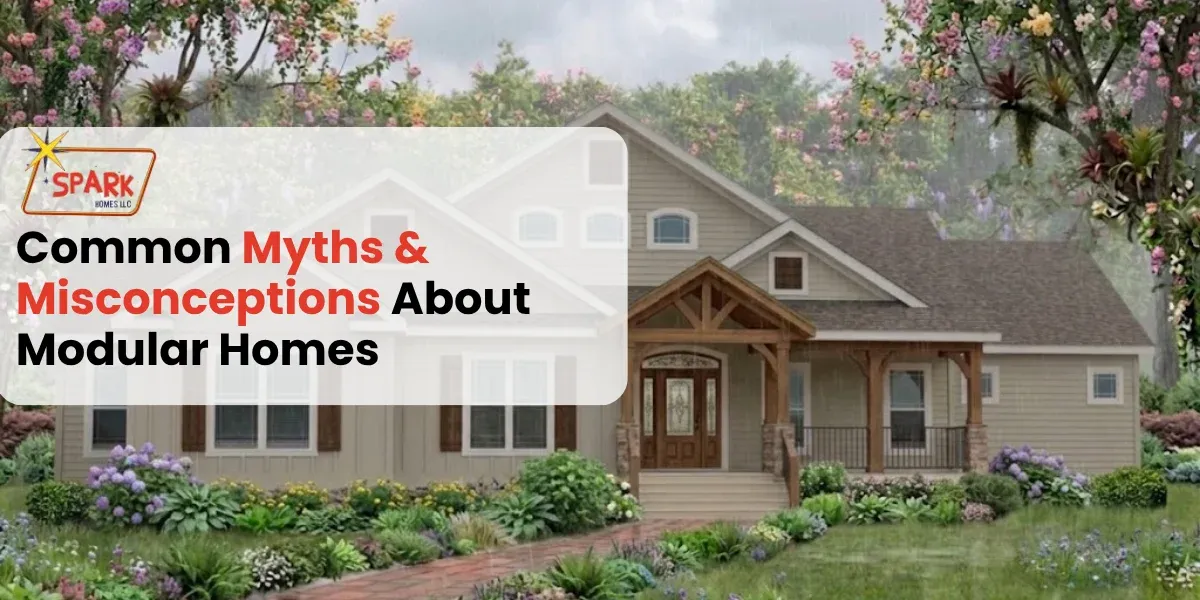
Modular homes are growing in popularity across Texas, yet many misconceptions still surround them. Buyers often hesitate because of modular home myth and outdated beliefs about quality, design, and safety. This guide breaks down the most common myths, explores the prons and cons, and provides key insights so homeowners can make confident decisions.
These homes offer faster construction, controlled costs, and flexible designs that rival traditional site-built homes. Understanding the facts can help you see why modular solutions are increasingly preferred by families and investors. By separating truth from fiction, you’ll be able to evaluate your options with clarity and confidence.
Understanding Modular Homes: What They Really Are
A modular home is built in sections at a factory, then transported to your lot for assembly. This process ensures consistent quality and faster construction compared to traditional methods. Unlike rumors suggest, built vs modular homes show that both can achieve the same durability and aesthetic appeal, with modular homes often having tighter tolerances due to controlled factory conditions.
Texas buyers are discovering that modular construction is versatile. Homes can range from simple single-story layouts to expansive 2 story modular homes with custom floor plans. The misconception that modular homes are plain or cookie-cutter is outdated.
Debunking Popular Modular Home Myths
Myth 1: Modular Homes Are Low Quality
Some believe modular homes are temporary or poorly built. In reality, strict factory standards and inspections ensure high-quality materials and construction. Many modular homes outlast traditional site-built homes when properly maintained.
Myth 2: Limited Designs and Styles
Another common myths about modular homes claim that you can’t have unique designs. Today, modular homes offer extensive modular home designs and modular home floor plans, including luxury options and energy-efficient layouts. Customization is widely available, giving homeowners control over aesthetics and functionality.
Myth 3: Financing Is Difficult
Financing modular homes is easier than many think. FHA loans, conventional mortgages, and specialized modular home loans make homeownership accessible. Buyers can plan budgets confidently knowing costs are predictable.
Safety and Structural Concerns
Are modular homes safe? Absolutely. Factory-built sections undergo rigorous inspections for structural integrity, fire safety, and resistance to extreme weather. Compared to traditional construction, modular homes benefit from uniform materials and controlled assembly conditions, reducing the risk of on-site errors.
Modern modular homes can withstand high winds and even seismic activity. With durable roofing, proper foundation support, and engineered construction, modular homes in Texas meet or exceed local safety codes.
Common Costs and Pricing Considerations
Understanding modular home prices is essential before building. Costs vary based on size, materials, customization, and location. Many Texas homeowners find modular homes are more predictable in cost than traditional builds. Factory construction reduces labor delays and waste, keeping budgets under control.
Financing options, including FHA loans for modular homes, make it easier to plan your investment. Comparing built vs modular homes costs helps you see long-term savings and choose the best design for your lifestyle.
Additional expenses to consider include site preparation, foundation work, and optional upgrades like energy-efficient features or multi-story layouts. Planning for these costs upfront ensures you stay within budget and avoid surprises during construction.
Longevity and Maintenance
Many homeowners wonder about the life expectancy of a modular home. With proper maintenance, modular homes last as long—or longer—than conventional homes. Regular inspections of roofing, plumbing, and HVAC systems ensure long-term value.
Maintenance tips include:
- Inspecting joints and sealants annually
- Maintaining roofing and siding
- Scheduling regular HVAC and plumbing check-ups
Compared to traditional homes, modular homes often require less emergency maintenance due to precision factory-built components.
Design Flexibility and Customization
Modular homes are far from one-size-fits-all. Buyers often ask: Can modular homes have basements? The answer is yes. Foundations can be customized, including full basements, crawlspaces, or slab-on-grade setups.
Other customization options include:
- Multi-story layouts, including 2 story modular homes
- Open-concept living spaces for modern lifestyles
- Personalized kitchens, bathrooms, and storage solutions
Builders also offer custom modular home designs, ensuring your home fits both your needs and your lot’s requirements.
Pros and Cons of Modular Homes
| Pros | Cons |
| Faster construction | Limited lot availability in some areas |
| Predictable pricing | Custom finishes may increase cost |
| High-quality, factory-built materials | Homeowners need a trusted builder |
| Flexible modular home floor plans | Some lenders may be unfamiliar with modular loans |
| Energy-efficient and low-maintenance | Resale market still growing in certain regions |
Understanding both sides helps homeowners plan and make informed decisions. Overall, the benefits outweigh the myths, especially when working with experienced modular home builders.
Things to Know Before Buying
Planning is key to a successful modular home purchase. Here are essential things to know before buy a modular home:
- Research local zoning and building codes
- Compare modular home prices and financing options
- Visit model homes and ask builders about warranty coverage
- Confirm foundation type and potential for basements
- Review customization options and construction timeline
Working with an experienced builder ensures your project stays on schedule, meets budget expectations, and delivers the home you envisioned.
Frequently Asked Questions
How long does a modular home last?
With proper care, the life expectancy of a modular home can exceed 50 years, comparable to traditional homes.
Can modular homes have basements?
Yes. Modular homes can be built on full basements, crawl spaces, or slab foundations, depending on your property.
Are modular homes safe in Texas weather?
Absolutely. Modular homes meet local building codes and are designed to withstand extreme heat, wind, and humidity.
What are the main pros and cons of modular homes?
Pros include fast construction, predictable pricing, and energy efficiency. Cons may involve custom finish costs and limited lender familiarity.
What should I know before buying a modular home?
Check local codes, foundation options, financing, customization, and select a trusted builder. Following this ensures a smooth and cost-effective process.
Conclusion
Modular homes are a smart, modern alternative to traditional construction. Debunking modular home myth and understanding the facts about safety, longevity, design flexibility, and financing shows why many Texans are choosing modular solutions.
From predictable pricing to fast timelines and energy-efficient layouts, modular homes protect your investment while offering modern comforts. If you’re ready to explore your options, Spark Homes Texas can guide you through every step, from design to move-in.Call +1 830-251-2110 today to start building your modular dream home with confidence.