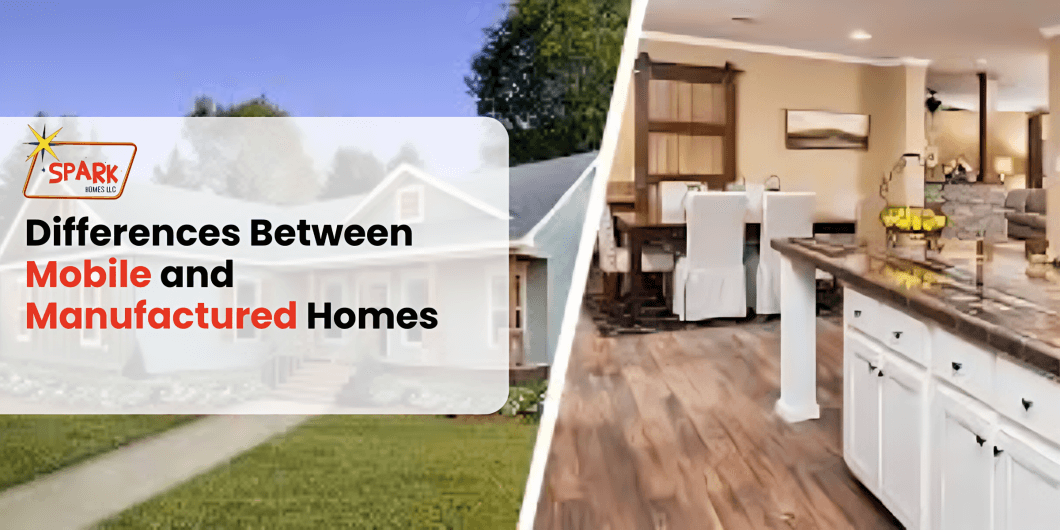
The demand for affordable housing continues to grow across Texas as more buyers search for practical alternatives to traditional site-built homes. Among the most popular options today are mobile and manufactured homes, offering flexible living solutions for families, retirees, and first-time buyers who want affordable ownership without sacrificing comfort.
Over the last decade, the housing market has changed significantly. Buyers now prioritize cost efficiency, faster construction timelines, and long-term value, making manufactured homes in Texas one of the fastest-growing segments in the state’s housing market.
Whether buyers are searching for lower costs, flexible floor plans, or faster move-in options, factory-built housing continues becoming a practical solution for modern homeowners across Texas.
Understanding the Difference Between Mobile and Manufactured Homes
How Factory Built Homes Have Changed Over Time
Many buyers use mobile homes and manufactured homes interchangeably, but there are important differences. Older mobile homes were generally built before updated federal housing regulations, while modern manufactured mobile home models follow stricter safety and quality standards.
Today’s Factory built homes offer stronger construction, better insulation, improved materials, and greater customization compared to older trailer mobile homes.
| Comparison Factor | Mobile Homes | Manufactured Homes |
| Construction Year | Built before 1976 | Built under modern HUD standards |
| Building Standards | Older construction methods | Modern regulated construction |
| Energy Efficiency | Limited insulation | Better energy performance |
| Design Options | Basic layouts | Modern customization available |
| Long-Term Value | Lower resale potential | Better long-term value |
| Buyer Demand | Lower market demand | Growing demand across Texas |
Understanding these differences helps buyers choose housing options that offer better affordability, long-term comfort, and stronger investment potential.
Why More Texas Buyers Are Choosing Manufactured Housing
Affordable Homeownership Solutions for Modern Families
Rising property prices continue pushing buyers toward more affordable alternatives. This is one reason affordable manufactured homes Texas continue attracting strong demand from families looking for practical long-term housing.
Compared to traditional construction, home manufactured solutions allow buyers to access modern housing while avoiding high construction costs and extended project timelines.
Many buyers are now researching how manufactured homes are built because modern factory-controlled construction often provides better efficiency, stronger quality control, and faster completion compared to traditional building methods.
For buyers comparing long-term property investment, understanding Manufactured Home Resale Value also becomes important when evaluating future return potential.
Choosing the Right Home Layout for Comfort and Functionality
Single Wide Homes and Modern Floor Plans for Everyday Living
Home design plays a major role in buyer satisfaction. Many families choose layouts based on household size, future growth plans, and lifestyle preferences.
Popular single wide homes continue serving buyers looking for efficient space planning, while larger layouts now focus on modern floor plans designed for open living and better functionality.
As buyers compare available housing options, understanding the different Types of manufactured homes helps narrow choices based on budget, design preferences, and future space requirements.
Well-designed layouts improve long-term comfort while supporting better day-to-day living.
Evaluating Construction Quality Before Buying a Home
What Buyers Should Know About Long-Term Durability
Construction quality remains one of the biggest factors buyers should evaluate before purchasing. Modern new manufactured homes Texas now follow improved building standards that focus on structural durability, insulation performance, and long-term efficiency.
Unlike older housing options, today’s manufactured homes use stronger materials and modern engineering standards designed to improve long-term performance.
Buyers often compare manufactured home vs site built home options when evaluating durability, maintenance costs, and overall long-term investment potential.
Better construction standards have helped modern manufactured housing become one of the fastest-growing alternatives to traditional home building.
Understanding Land and Community Options Before Purchase
How Placement Decisions Affect Future Home Value
Location planning directly impacts long-term ownership value. Buyers should carefully evaluate whether they plan to place the home on private property or within established mobile home communities.
Land ownership decisions affect financing, long-term property value, and future flexibility. Buyers planning permanent homeownership often evaluate Buying Land and a Mobile Home because land ownership can create stronger long-term investment opportunities.
In many cases, location decisions directly influence financing options and future resale value.
Understanding available mobile home places before purchasing helps buyers make smarter long-term housing decisions.
Exploring Manufactured Home Opportunities Across Texas
Finding the Right Home, Dealer, and Buying Option
Texas continues seeing strong growth in factory-built housing as buyers search for affordable alternatives throughout the state.
Families searching for manufactured and mobile homes for sale now have more options than ever before. Buyers regularly compare mobile homes for sale Texas listings based on size, layout, price, and location.
Working with experienced mobile home dealers Texas helps buyers navigate available inventory while understanding financing, customization, and installation requirements.
As housing demand continues rising, first time home buyers increasingly view manufactured housing as one of the most practical and affordable paths toward homeownership in Texas.
FAQs
Are mobile homes and manufactured homes the same?
Mobile homes usually refer to older homes built before updated federal housing standards, while manufactured homes follow modern construction regulations.
Are manufactured homes a good option for first-time buyers?
Yes, manufactured homes often provide affordable housing solutions for buyers entering the housing market for the first time.
Do manufactured homes hold long-term value?
Yes, resale value depends on maintenance, land ownership, location, and overall market demand.
Can manufactured homes be placed on private land in Texas?
Yes, many homeowners choose private land placement depending on zoning rules and property requirements.
Why are manufactured homes becoming more popular in Texas?
Lower costs, faster construction, modern designs, and affordable homeownership continue driving demand across Texas.
Conclusion
The demand for mobile and manufactured homes continues growing as more buyers across Texas search for practical alternatives to traditional housing. Modern manufactured housing offers affordability, faster construction, flexible layouts, and long-term ownership opportunities that continue attracting families throughout the state.
Whether buyers are searching for starter homes, long-term housing investments, or flexible property solutions, manufactured housing remains one of the strongest modern housing options available today.
If you are exploring housing opportunities across Texas, Spark Homes can help you find the right manufactured home solutions based on your budget, property goals, and long-term plans. Contact our team today at +1 830-251-2110 to explore available options built for modern Texas homeowners.
Leave a Reply
You must be logged in to post a comment.