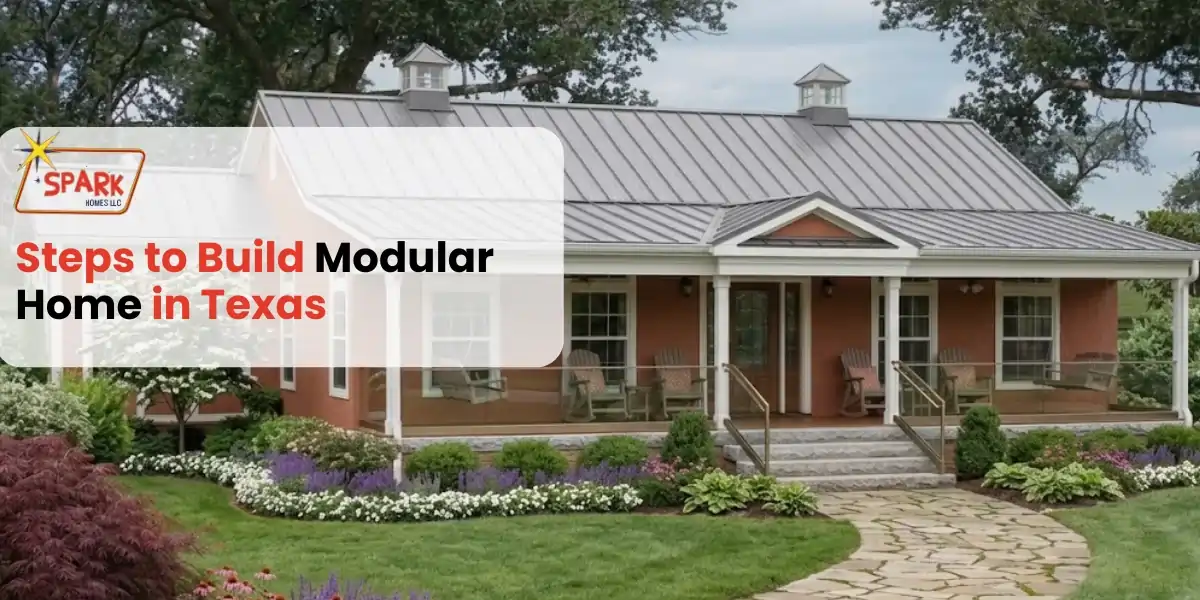
Building a modular home is becoming one of the most practical choices for Texas buyers who want faster construction, controlled costs, and modern living designs. Unlike traditional site-built homes, modular homes are built in factory sections and then assembled on your land, which reduces delays and improves quality control.
Understanding the full modular home process helps you avoid hidden costs, delays, and poor builder decisions. Below is a clear breakdown of each stage so you know exactly what to expect from planning to move-in.
Plan Your Budget, Land, and Goals for a Modular Home
The first step in any successful modular home build is planning. This stage decides whether your project runs smoothly or becomes expensive later.
Before choosing designs or builders, you need to clearly define your budget. Many buyers only consider the home price but forget additional costs like land development, utility connections, permits, foundation work, delivery fees, and finishing upgrades. These often fall under hidden costs when buying a modular home, which can significantly change your total investment.
Land selection is equally important. In Texas, zoning rules, soil conditions, and utility access vary by county. A well-located property can reduce costs and improve long-term value.
At this stage, you should also define your goals. Whether you want a family home, investment property, or rural living setup, your purpose will influence design choices and builder selection.
Choose the Right Builder and Compare Options
Selecting the right builder is one of the most important decisions in the entire process. A reliable builder ensures your home is delivered on time, within budget, and meets quality expectations. In Texas, working with an experienced company like Spark Homes Texas can make a major difference because local expertise helps avoid delays, permit issues, and costly mistakes.
Start by researching the best modular home builders in Texas with proven experience in your region. Builders familiar with Texas regulations can handle permits, inspections, and site coordination more efficiently.
It is also important to review modular home builder reviews carefully. Focus on real feedback related to communication, build quality, warranty support, and after-installation service rather than just ratings.
If you are searching locally, many homeowners look for modular home companies near me to find builders who understand local land requirements and construction conditions.
Design and Customize Your Modular Home
Once you finalize your builder, the next stage is designing your home. This is where your vision turns into a real layout.
Modern modular homes offer a wide range of customization options. You can choose floor plans, room sizes, kitchen layouts, bathroom designs, flooring, exterior finishes, and energy-efficient features.
Many buyers also explore a prefab home build because it allows faster delivery while still offering customization flexibility.
The design phase is not just about aesthetics. It should focus on functionality, storage, natural lighting, room flow, and long-term usability. A well-designed home improves daily comfort and future resale value.
At this stage, final drawings and pricing are approved before production begins. Once approved, changes become more difficult, so careful review is important.
Site Preparation, Foundation, and Installation Process
Before your home arrives, your land must be fully prepared. This includes clearing, grading, utility planning, driveway access, and foundation construction.
The foundation type depends on your land and local requirements. Options may include slab, crawl space, or raised foundations depending on engineering and zoning approval.
Many buyers ask a common question: can modular homes have basements. The answer is yes, in many cases they can. However, it depends on soil conditions, engineering approval, and local building codes. A basement can add storage space, protection, and future expansion potential.
Proper site preparation ensures your home sits correctly, drains water properly, and connects safely to utilities. This stage is critical because poor groundwork can cause long-term structural or maintenance issues.
Factory Construction, Delivery, and Installation Timeline
Once planning and approvals are complete, your home enters factory construction. This is one of the biggest advantages of modular housing.
Key Steps in the Factory Build Process:
- Floor framing and wall assembly
- Electrical and plumbing installation
- Roofing and insulation work
- Interior finishing (drywall, cabinets, flooring)
- Quality inspection at each stage
- Section completion for transport
After factory completion, the home is transported to your property in sections. Cranes are then used to place each section on the foundation.
The final on-site process includes sealing joints, connecting utilities, and completing interior finishing touches.
One of the most common questions buyers ask is time take to build a modular home. While it varies depending on design complexity and site readiness, modular homes are generally completed faster than traditional construction because factory work and site preparation can happen at the same time.
Final Inspection, Move-In, and Long-Term Value
Once installation is complete, your home goes through final inspections. These ensure safety, code compliance, and proper utility connections before occupancy approval.
Final Completion Checklist:
- Electrical system testing and approval
- Plumbing and water connection checks
- HVAC system inspection
- Structural and safety inspection
- Interior finishing and sealing
- Final cleaning and walkthrough
- Occupancy approval issued
- Move-in readiness confirmed
After this stage, your home is ready for living.
A major long-term question many buyers have is whether Modular Homes Appreciate in Value. In many cases, they do. Especially when placed on owned land in strong Texas markets, modular homes can increase in value similarly to traditional homes.
Appreciation depends on several factors including location, land value, home condition, upgrades, and market demand. Proper maintenance and smart improvements can further increase resale potential over time.
Frequently Asked Questions
What is the full process of building a modular home?
The process includes planning your budget and land, selecting a builder, designing the home, preparing the site and foundation, factory construction, delivery and installation, and final inspections before move-in.
How long does it take to build a modular home?
Most modular homes take a few months from planning to completion. The factory build is faster than traditional construction, but total time depends on permits, land preparation, and design complexity.
Are modular homes cheaper than traditional homes in Texas?
In many cases, yes. Modular homes often reduce labor costs and construction delays, making them more affordable overall, although final pricing depends on land, upgrades, and site work.
Can modular homes increase in value?
Yes. Modular homes placed on owned land in desirable locations can appreciate based on market conditions, maintenance, upgrades, and neighborhood growth.
What is the biggest mistake when building a modular home?
The most common mistake is underestimating total costs, including site preparation, utilities, permits, and upgrades. Choosing the wrong builder can also lead to delays and quality issues.
Conclusion
Building a modular home is a structured process that becomes simple when each step is planned correctly. From budgeting and builder selection to factory construction and final installation, every stage plays an important role in long-term success.
If you are planning a modular home in Texas and want expert help with land, design, pricing, or builder selection, Spark Homes Texas is ready to assist.
Contact +1 830-251-2110 to get professional guidance and start your modular home project with confidence.