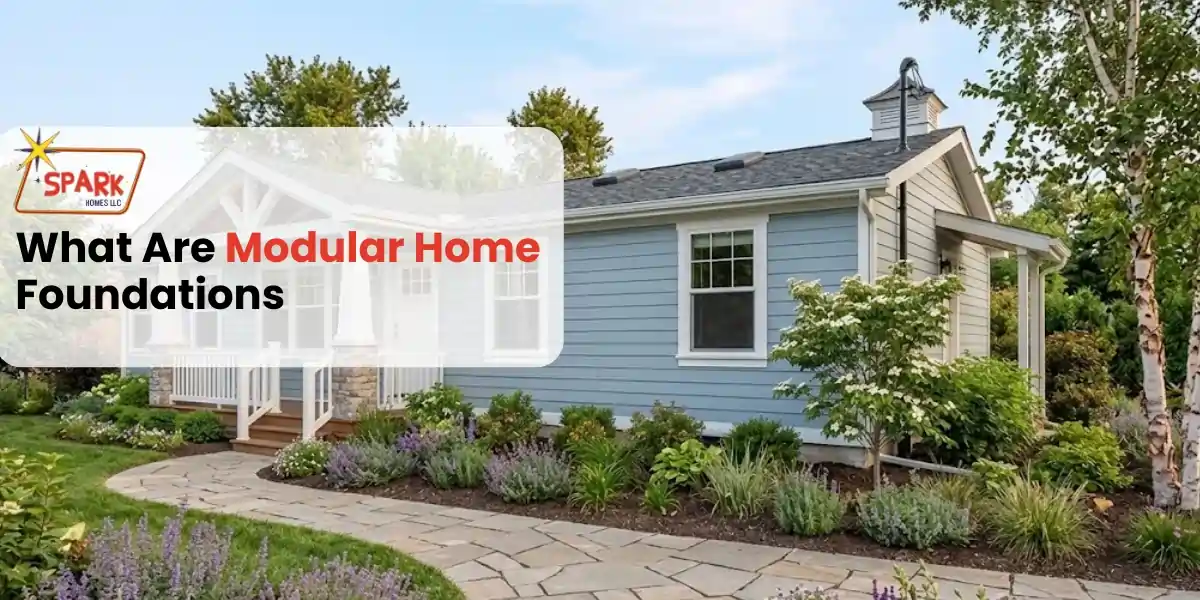
Building a modular home starts with one of the most important decisions in the entire process: choosing the right foundation. A strong foundation supports the structure, protects the home from soil movement, improves energy efficiency, and helps maintain long-term property value.
In Texas, the right foundation matters even more because of changing soil conditions, heat, drainage issues, and regional building requirements. Whether you are building on private land or exploring Modular home communities, understanding foundation options helps you make a smarter long-term investment.
What Is a Modular Home Foundation and Why Does It Matter?
A modular home foundation is the permanent structural base built on-site before the home modules arrive from the factory. Once delivered, the home sections are carefully installed and secured onto the foundation system.
Unlike temporary setups often associated with older manufactured housing, modern Modular Homes use permanent foundations that meet local building codes and financing requirements.
A properly built foundation helps:
- Support the full structural weight of the home
- Protect against moisture and drainage problems
- Improve energy efficiency
- Increase resale value
- Help qualify for FHA and conventional financing
- Reduce long-term maintenance costs
The foundation is one of the most important parts of quality Modular Home Construction because even a well-built home can develop structural issues if the foundation is poorly designed or incorrectly installed.
Types of Foundations for Modular Homes
There are several types of foundations for modular homes, and each option works best for different land conditions, budgets, and homeowner goals.
Slab Foundation
A slab foundation is a large concrete base poured directly onto the ground. This is one of the most common modular home foundation choices in Texas because it is affordable and works well in warmer climates.
Slab foundations are known for fast installation, lower maintenance, and strong support on flat properties. However, plumbing access can be more difficult if repairs are needed later.
Crawl Space Foundation
A crawl space foundation raises the home slightly above ground level while leaving accessible space underneath. This foundation type is popular because it provides easier access to plumbing, electrical systems, and HVAC components.
Crawl spaces also improve airflow beneath the home and help protect against minor flooding. Proper ventilation and moisture control are important to prevent mold and humidity problems.
Basement Foundation for Modular Home Projects
A basement foundation for modular home builds creates a full lower level beneath the structure. While basements are less common in Texas compared to northern states, they can still add valuable living space and storage.
Basement foundations are ideal for homeowners who want extra rooms, storm protection, or future expansion opportunities. However, they usually require higher excavation and waterproofing costs.
Pier and Beam Foundation
Pier and beam foundations use concrete piers and support beams to elevate the home above ground level. These systems work well on uneven terrain or properties with drainage concerns.
This foundation style allows better ventilation and easier utility access, but it requires precise engineering and proper installation to avoid future floor movement issues.
Modular Home Foundation Design and Engineering Explained
A modular home foundation design involves much more than simply pouring concrete. Every foundation must be engineered specifically for the home model, soil conditions, and local building requirements.
Professional modular home foundation plans typically include:
- Structural load calculations
- Footing dimensions
- Drainage systems
- Utility placement
- Reinforcement details
- Anchor systems
Texas soil movement makes proper engineering extremely important. A poorly designed foundation can create uneven settling, wall cracks, and long-term structural damage.
This level of engineering is especially important in growing Modular home communities, where homes must meet strict safety, durability, and long-term performance standards.
FHA Modular Home Foundation Requirements
Many buyers use FHA loans to finance modular homes. FHA modular home foundation requirements are strict because the foundation must meet permanent structural standards before financing approval.
Lenders typically require proper anchoring systems, drainage protection, engineering inspections, and compliance with local building codes.
Working with experienced modular home professionals helps homeowners avoid inspection delays and financing complications later in the process.
Modular Home Foundation Cost in Texas
Modular home foundation cost depends on several factors, including foundation type, land conditions, excavation needs, and engineering requirements.
Slab foundations are usually the most affordable option because they require less excavation and faster installation. Crawl space foundations generally cost more because they require additional support systems and ventilation.
Basement foundations are typically the most expensive due to excavation, waterproofing, and additional structural work. Pier and beam foundation costs vary depending on elevation requirements and site conditions.
Additional costs may include:
- Soil testing
- Site grading
- Drainage systems
- Utility preparation
- Engineering fees
- Permit approvals
Do Modular Homes Appreciate Value and Offer Long-Term Benefits?
Many buyers ask whether Modular Homes Appreciate Value over time. In many cases, they do. Modern modular homes built on permanent foundations often appreciate similarly to traditional site-built homes when properly maintained.
The quality of the foundation plays a major role in long-term property value, financing eligibility, and resale appeal.
Modern modular homes energy efficient features also attract many Texas homeowners. Factory-controlled construction improves building precision, insulation quality, and energy performance.
Benefits may include:
- Better insulation performance
- Reduced air leakage
- Lower utility costs
- High-efficiency windows and HVAC systems
- Strong long-term durability
Texas is also seeing continued growth in Modular home communities because buyers want affordable housing options with faster build times and modern design flexibility.
Why Texas Homeowners Choose Spark Homes Texas
At Spark Homes Texas, homeowners receive expert support throughout the entire modular building process, from foundation planning to final installation.
The company understands Texas soil conditions, drainage concerns, and local building requirements. Every project is designed with long-term durability, structural integrity, and homeowner satisfaction in mind.
Spark Homes Texas helps homeowners with:
- Site preparation
- Foundation planning
- Engineering coordination
- Modular home installation
- Utility preparation
- Full project guidance
Frequently Asked Questions
What is the best foundation for a modular home in Texas?
The best option depends on soil, drainage, and budget. Slab foundations are most common in Texas, while pier and beam works well for uneven land.
How much does a modular home foundation cost?
Modular home foundation cost varies based on foundation type, home size, soil conditions, and site preparation.
Can modular homes have basements?
Yes, a basement foundation for modular home projects can add extra living space and storage.
Do modular homes need permanent foundations?
Yes, most Modular Homes use permanent foundations to meet building and financing requirements.
Do modular homes appreciate in value?
Yes, many Modular Homes Appreciate Value when properly installed and maintained.
Conclusion
Choosing the right modular home foundation is one of the most important parts of building a durable and long-lasting home.
The right foundation improves structural stability, energy efficiency, resale value, and long-term protection against soil movement and drainage issues. Texas homeowners should carefully evaluate soil conditions, climate, budget, and future property goals before making a decision.
If you are planning to build in Texas and want expert guidance on modular home foundations, contact Spark Homes Texas today at +1 830-251-2110 to discuss the best foundation solution for your property and future goals.