
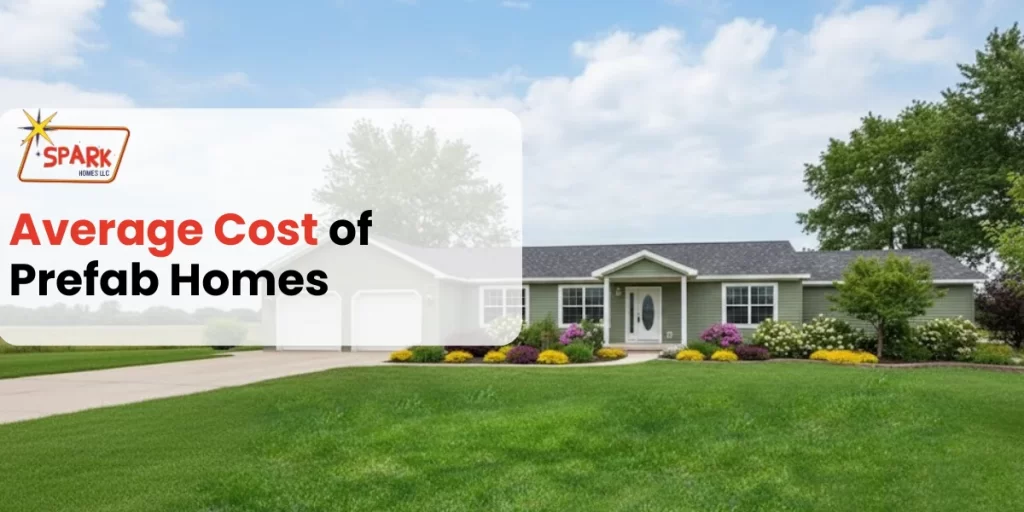
Prefab homes are becoming one of the most talked‑about ways to build a quality home in Texas without long construction delays or unpredictable pricing. If you’re asking, what is the average cost of a prefab home?, this guide breaks down real Texas pricing, cost ranges by home type, what influences price, and how prefab homes compare to traditional builds.
This article is designed to give you crystal‑clear answers in simple language you can use to plan your build and budget confidently in the Lone Star State. You’ll also discover which prefab options fit your lifestyle, how size and customization impact cost, and why many Texans are choosing prefab over traditional homes.
By the end, you’ll have a clear understanding of what to expect before you start your project. This guide also helps you weigh the benefits of prefab homes against traditional construction to make an informed decision.
Understanding Prefab Homes
Prefab homes, short for prefabricated homes, are built in sections inside a factory and then delivered to your property for assembly. By building major components off‑site, these homes reduce time waiting on weather and many on‑site delays common with traditional construction. Modular homes are the most common prefab type and must meet the same building codes as traditional houses.
There are also prefab tiny homes and smaller prefab small homes that appeal to buyers looking for affordable or minimalist living.
Prefabricated designs range from prefab modern homes with sleek architecture to affordable prefab homes designed for budget‑conscious buyers. Many are fully customizable so you can create a home that fits your lifestyle and preferences.
Average Cost of Prefab Homes in Texas by Home Type
In Texas, prices for prefab homes vary based on size, finish level, and land conditions. Below are typical cost ranges Texans can expect when planning a prefab build.
Prefab Modular Homes
Prefab modular homes in Texas usually fall within:
- Basic/modular models: around $80–$120 per square foot
- Mid‑range modular homes: $120–$200 per square foot
- Custom or luxury prefab homes: $200+ per square foot
For example, a 2,000 sq ft prefab modular home often lands between roughly $160,000 and $400,000+ once you include factory build, delivery, and basic installation.
Larger family plans such as five‑bedroom combinations may start around $200,000 and go up from there before land and site improvements.
Prefab Tiny Homes
Prefab tiny homes are among the most affordable housing options you’ll find. In Texas:
- Entry‑level tiny prefab homes can start under $40,000
- Mid‑range turnkey tiny homes often range $100,000 to $200,000
- Larger or highly customized tiny units may cost more depending on size and features
Keep in mind that tiny homes average 100–250 sq ft, so the cost per square foot isn’t always the only measure. Some tiny homes are quoted as total prices rather than price per square foot.
Custom & Luxury Prefab Homes
Custom prefab homes and luxury prefab homes let you choose finishes, layouts, and architectural features. These builds cost more than standard models due to premium materials and personalized design. Mid-to-high-end custom prefab homes in Texas often fall into the upper brackets of modular home pricing, typically $200+ per square foot.
Luxury prefab homes may include high-end kitchens, smart home systems, custom exteriors, and energy-efficient upgrades. For Texans seeking prefab modern homes or custom prefab homes, this category offers the ultimate combination of design flexibility and long-term value.
Small prefab homes and two-story prefab homes provide additional options for compact or multi-level living. Two-story modular homes may have slightly higher per-square-foot costs due to structural requirements but offer more living space without increasing the land footprint.
These homes are also quicker to build compared to traditional site-built houses, saving both time and labor costs.
- Small prefab homes: Ideal for minimalist living or starter homes, often priced $80–$160 per sq ft. They are perfect for downsizing, creating guest houses, or adding secondary living spaces on your property.
- Two-story prefab homes: Offer larger layouts and extra bedrooms, generally $120–$200 per sq ft depending on finishes. They maximize vertical space, making them an excellent choice for growing families or those wanting a more spacious home on a smaller lot.
These homes are great for prefab small homes, prefab tiny homes, and modern prefab homes buyers who want efficiency, affordability, and design versatility in Texas. Additionally, they maintain the high quality, energy efficiency, and durability that prefab construction is known for, making them a long-term investment in your property.
Cost of Prefab Homes Per Square Foot
Using cost per square foot gives a helpful baseline for comparing options and planning your budget:
- Prefab modular homes: ~$80–$200+ per sq ft depending on quality and finishes. This range covers basic, mid-range, and luxury modular builds.
- Prefab tiny homes: Generally quoted as a total price, but many fall between $35,000 and $150,000 depending on size and build type. Tiny homes are often priced as turnkey solutions, which include delivery and installation.
- Prefab small homes: Often similar to modular per square foot costs but vary with customization and site needs. Choosing upgraded finishes or custom layouts can increase the per-square-foot cost.
These figures represent the cost of the structure itself and often basic installation. Always check with your builder to understand what’s included and what additional costs you’ll need to plan for. Additional costs can include foundation work, utility connections, permits, and landscaping. Considering these factors early ensures there are no surprises.
Comparing costs per square foot across different prefab types can also help you make informed decisions about your ideal home.
What Influences the Cost of Building a Prefab Home in Texas
Prefab homes offer many advantages, but understanding what affects their total cost is essential for planning your budget accurately. While the factory-built structure can save time and labor, several key factors influence the final price in Texas, from the land you choose to the level of customization you want.
Knowing these details upfront helps prevent surprises and ensures your project stays on track.
Land Price & Location
The cost of land varies widely across Texas. Rural areas can offer affordable plots, while close‑in suburbs or big cities will be more expensive. If you already own land, this can significantly reduce your total cost.
Site Preparation
Before assembly, the land must be cleared, level, and ready for a foundation. Site work can cost several thousand dollars depending on terrain, trees, and soil quality.
Foundation & Utilities
Prefab homes require a foundation—slab, crawl space, or basement—and utility hookups for water, sewer, and electricity. These costs add to your budget and should be quoted early in the planning process.
Permits & Regulations
Building permits, inspections, and local fees vary by Texas city and county. Budgeting for these early prevents surprises later in the project.
Design Choices & Customization
Choosing luxury flooring, high‑end kitchen fixtures, or smart home features increases cost. Even with prefab homes, upgrades can add 20–50% or more depending on your selections.
Prefab vs Traditional Home Cost Comparison
Here’s a clear table comparing prefab homes and traditional site‑built homes in Texas:
| Feature | Prefab Homes | Traditional Site‑Built Homes |
| Cost per square foot | $100–$200+ | $100–$250+ |
| Construction time | 3–6 months | 8–12+ months |
| Labor costs | Lower (factory build efficiencies) | Higher (on‑site labor) |
| Material waste | Minimal | Often higher |
| Quality control | High (factory standards) | Variable |
| Customization flexibility | Good but may be design dependent | Very high |
| Financing options | Traditional home loans available | Standard mortgage options |
Prefab homes usually cost less or are comparable per square foot to traditional homes. They offer predictable pricing with fewer weather delays, while traditional builds put more project risk on the homeowner.
Benefits of Prefab Homes in Texas
Prefab homes are not only an innovative way to build faster they also offer unique advantages that make them a smart choice for many homeowners. Texans can enjoy quality, sustainability, and flexibility all in one package. These homes combine modern design, efficient construction, and long-term durability for a superior living experience.
Faster Build Times
Most of the construction happens indoors, out of the weather, meaning your home goes up faster and with fewer delays. This means you can move in sooner and start enjoying your home without the months of waiting common with traditional builds.
Better Quality Control
Factory environments lead to consistent building practices and tighter construction tolerances than many on‑site builds. Each module is inspected at multiple stages to ensure structural integrity and high-quality finishes.
Energy Efficiency
Many prefab designs use high‑efficiency insulation and materials that reduce heating and cooling costs over time. This can save homeowners hundreds or even thousands of dollars annually on utility bills.
Less Waste
Factory builds reduce material waste and can be a more sustainable choice compared to traditional construction. Controlled environments also allow builders to recycle or reuse leftover materials more efficiently, supporting eco-friendly building practices.
Modern Design Flexibility
Prefab homes in Texas now come in modern prefab homes, tiny homes, and small homes that are fully customizable. You can choose layouts, finishes, and architectural features to match your lifestyle and design preferences.
Long-Term Durability
Prefab homes are built to meet or exceed the same building codes as traditional homes, giving you confidence in long-term durability and resale value. Properly maintained prefab homes can last for decades, making them a smart investment.
Frequently Asked Question
What influences the cost of building a prefab home in Texas?
Location, land, site work, foundation choice, utilities, permits, materials, and customization levels. All affect your total cost.
Is building a prefab home cheaper than traditional construction?
Often yes, because factory build efficiencies reduce labor costs and delays. However, final totals depend on site work and finish choices.
Do prefab homes hold value?
Modular prefab homes on permanent foundations usually hold or increase in value because they are treated as real property.
How long does it take to build a prefab home in Texas?
Prefab homes are faster to build than traditional homes, usually taking 3–6 months from factory production to installation, compared to 8–12+ months for site-built houses.
Can I customize a prefab home in Texas?
Absolutely. Many prefab options from tiny homes to luxury modular designs allow for custom layouts, finishes, smart home features, and exterior designs to match your lifestyle.
Conclusion
Understanding what is the average cost of a prefab home in Texas gives you a big advantage when planning your build. From prefab modular homes to prefab tiny homes, Texas offers flexible pricing and options to suit many budgets and lifestyles. Cost per square foot, land, permits, site prep, and customization all play into the final number, so planning early with accurate quotes makes the process smoother.
If you’re ready to explore prefab home options, get a detailed cost estimate, or start designing your ideal home, Spark Home Texas is here to help. Our team provides clear pricing, expert guidance, and personalized solutions for Texas homeowners.
📞 Call Spark Home Texas now at +1 830‑251‑2110 to get started on your prefab home journey.