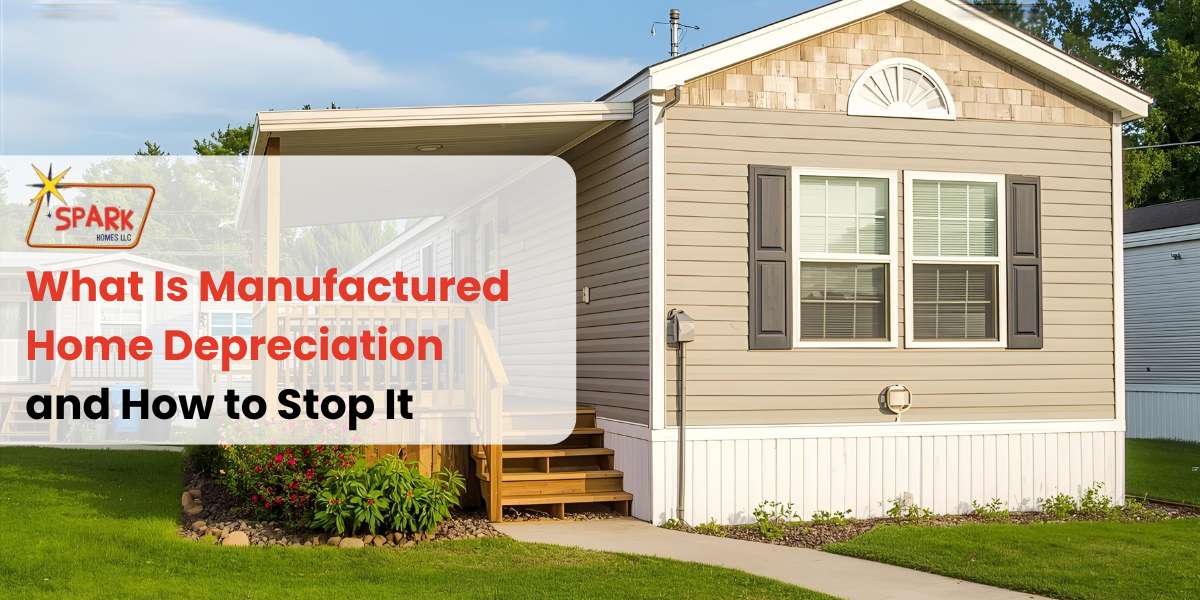
Manufactured home depreciation is one of the biggest concerns for homeowners who invest in factory-built housing. Many people assume that manufactured homes automatically lose value like vehicles, but that is not always the full story. Depreciation is influenced by multiple factors, including location, maintenance, foundation type, market conditions, and how the home is titled. When homeowners understand what causes a manufactured home’s value to drop, they can take smart steps to protect their investment and even improve long-term resale potential.
In today’s housing market, manufactured homes play a critical role in affordable housing. As demand increases, homeowners are becoming more aware that depreciation is not inevitable when the right choices are made early. Learning how to minimize depreciation helps buyers build more stable equity and avoid unnecessary financial losses over time.
What Manufactured Home Depreciation Really Means
Manufactured home depreciation refers to the gradual decline in a home’s market value over time. Unlike traditional site-built properties that often appreciate, a manufactured home can depreciate when it is treated as personal property rather than real estate. This means the home is viewed similarly to a movable asset, which changes how lenders and buyers calculate its worth.
Depreciation is not instant. It happens slowly due to wear and tear, outdated materials, poor upkeep, or unfavorable placement. A well-maintained manufactured home on owned land behaves very differently in the market compared to the same home placed on leased land in a park. The way the home is installed also matters, as permanent foundations tend to preserve value better than temporary setups.
Why Manufactured Homes Depreciate Faster Than Site-Built Homes
A major reason manufactured homes depreciate faster is the way they are legally classified. Many manufactured homes are titled as personal property instead of real estate. When this happens, they function more like a vehicle title rather than land-based housing, which impacts financing options and resale value.
Location plays another important role. Homes placed in mobile home parks or rented land situations are more vulnerable to market shifts. Lease fees, park conditions, and rule changes affect buyer perception and reduce value stability. In contrast, a manufactured home placed on privately owned land with proper zoning has a much higher chance of retaining strength in the real estate market.
Another factor is age. Older manufactured homes built before modern safety and efficiency standards usually depreciate faster. Newer homes built with modern materials, better insulation, and energy-efficient systems tend to hold value longer when compared to outdated units.
The Biggest Factors That Cause Manufactured Home Depreciation
Foundation type has a powerful impact on value. Homes installed on permanent foundations show stronger stability in the eyes of lenders and buyers. Temporary foundations lead to faster depreciation due to structural uncertainty and perceived lower durability.
Land ownership is another major factor. A manufactured home placed on land owned by the homeowner is often treated more like a traditional house, which helps preserve property value. In contrast, homes in rented spaces face more uncertainty.
Maintenance plays a surprisingly large role. Homes that receive regular roof checks, plumbing inspections, exterior sealing, and interior updates show far less depreciation. Neglect leads to compounding damage, which can dramatically reduce market value over time.
Market demand also shifts frequently. In areas where affordable housing demand is strong, manufactured homes can become highly desirable. In slower markets, they may depreciate faster without strong demand pressure.
How To Stop Manufactured Home Depreciation
Stopping depreciation is about strategy rather than luck. Homeowners who make smart choices can dramatically slow down or even prevent value loss in many cases.
One of the strongest strategies is placing the manufactured home on a permanent foundation. When a home is secured permanently and meets local building codes, it becomes a more stable asset. Buyers see it as a long-term structure rather than a movable unit.
Land ownership is equally important. Purchasing the land instead of renting it transforms the home’s perception in the real estate market. Lenders are more comfortable with real property titles, and future buyers view the home as a true housing investment rather than a temporary solution.
Consistent maintenance protects both structure and value. Small repairs performed early prevent costly deterioration. Proper sealing, roofing care, HVAC servicing, and exterior improvements help the home stay visually appealing and structurally sound.
Home improvements can also slow depreciation. Energy-efficient upgrades, modern kitchens, updated bathrooms, and smart home features make the property more attractive to buyers. When improvements are done with quality workmanship, they often add more value than their cost.
How Location Impacts Manufactured Home Value
Location can either protect or damage a manufactured home’s long-term value. Homes placed in stable neighborhoods with strong school districts, job growth, and infrastructure development perform better in resale markets. Even a manufactured home benefits from surrounding property value trends.
Community conditions matter. Well-maintained neighborhoods, safe surroundings, and accessible amenities increase desirability. On the other hand, poorly managed parks, rising crime, or neglected surroundings negatively influence perception.
Zoning regulations and land use laws also affect value. Manufactured homes placed in properly zoned areas experience fewer resale complications. Buyers feel more confident knowing the property meets legal housing requirements.
Strong Foundation vs Temporary Setup
Permanent foundations create stability. These foundations are engineered to meet local building codes and are designed to stay in place permanently. Homes attached to these foundations resist depreciation more effectively because they resemble site-built housing structurally.
Temporary setups create uncertainty. If a home can be moved easily, buyers see it as less stable and less valuable. Anchored homes with permanent utility connections signal permanence, which helps protect long-term value.
Is Manufactured Home Depreciation Always Guaranteed?
Depreciation is not guaranteed when the correct structure, location, and maintenance strategies are in place. There are many manufactured homeowners who successfully protect their property value for decades by treating their homes like traditional real estate.
Market trends show that newer manufactured homes in strong housing markets can maintain stable values. In some regions, they even experience appreciation when demand exceeds housing supply.
Owners who focus on long-term upkeep, legal titling as real property, and smart upgrades experience more financial security compared to those who ignore maintenance and land ownership opportunities.
The Role Of Financing In Manufactured Home Depreciation
Financing structures influence long-term value. Homes financed through personal property loans often face higher interest rates and shorter loan terms. This creates financial strain and lower resale appeal.
When a home qualifies for traditional mortgage financing because it is affixed to owned land with a permanent foundation, the value stability improves. Buyers are more likely to invest in a property that has favorable lending options.
Credit accessibility also plays a role in depreciation. Easier buyer financing increases resale opportunities and supports stronger market demand.
How To Maintain Manufactured Home Value Over Time
Ongoing inspections protect the structure. Roof inspections prevent water damage. Plumbing checks reduce leak-related deterioration. Electrical system reviews ensure safety and functionality.
Exterior appearance influences first impressions. Clean siding, fresh paint, trimmed landscaping, and maintained skirting add visual value. Buyers often judge the property based on appearance before considering interior features.
Interior upgrades can maintain buyer interest. Updated fixtures, modern flooring, improved lighting, and upgraded cabinetry increase livability and perceived worth.
Documentation also matters. Records of repairs, upgrades, foundation work, and inspections help buyers trust the property history, which leads to stronger offers.
Manufactured Home Depreciation Vs Mobile Home Depreciation
Many people use the terms manufactured home and mobile home interchangeably, but the construction standards differ. Manufactured homes built after federal HUD standards typically have stronger long-term durability.
Mobile homes built before stricter regulations often depreciate faster because of outdated construction methods and materials. When buyers understand the build date and compliance standards, they make more informed decisions.
This distinction also affects financing options and insurance qualifications, which indirectly influence value stability.
Common Myths About Manufactured Home Depreciation
A common myth is that all manufactured homes lose value immediately. In reality, the rate of depreciation depends on ownership structure, land ownership, and maintenance practices.
Another myth is that these homes cannot appreciate. While not as common as site-built appreciation, some manufactured homes in desirable areas with land ownership do appreciate.
Some buyers believe that upgrades do not matter. In fact, well-planned upgrades often positively influence resale value when done professionally.
Long-Term Investment Strategy For Manufactured Home Owners
Viewing the home as a long-term investment changes behavior. Owners who plan long-term tend to maintain regularly and improve efficiently.
Real estate planning should include legal classification as real property when possible. This positioning protects equity and improves financial stability.
Awareness of market conditions helps sellers time their sale when demand is highest. Strategic planning can prevent unnecessary losses.
Environmental And Structural Protection That Prevents Depreciation
Climate exposure impacts value. Wind zones, moisture control, and insulation directly affect durability. Proper skirting, anchoring, and drainage systems protect the foundation and reduce decay risks.
Quality construction materials increase longevity. Homes built with updated structural materials, hurricane straps, and reinforced roofing withstand damage better than older models.
Pest control and moisture control prevent long-term structural decay. Proper ventilation helps maintain air quality and prevents mold-related damage.
Why Professional Guidance Matters For Preventing Depreciation
Professional inspections identify hidden issues early. Licensed inspectors can detect structural weaknesses that homeowners may overlook.
Real estate professionals help homeowners understand local market trends. Proper pricing strategies protect long-term equity.
Legal advisors can assist with title conversion from personal property to real property, which significantly influences depreciation risk.
Conclusion
Understanding manufactured home depreciation allows homeowners to make smarter long-term decisions that protect their investment. Strategic foundation choices, land ownership, consistent maintenance, and thoughtful upgrades all play a role in reducing value loss. When managed properly, manufactured homes can remain stable, attractive, and financially sound housing options for many years.
For expert guidance and trusted solutions, contact Spark Homes Texas at +1 830-251-2110.
Frequently Asked Questions
Does every manufactured home depreciate?
Not every manufactured home depreciates. Homes placed on owned land with permanent foundations and proper maintenance often maintain stable value over time.
How fast do manufactured homes lose value?
The speed of depreciation depends on location, maintenance, foundation type, and land ownership. Some depreciate quickly, while others remain stable for many years.
Can a manufactured home ever appreciate?
Yes, in strong housing markets and when placed on owned land, manufactured homes can appreciate under the right conditions.
Does adding upgrades help prevent depreciation?
Quality upgrades such as energy-efficient windows, modern kitchens, and improved insulation can reduce depreciation and increase buyer appeal.
Is land ownership more important than the home itself?
Land ownership strongly influences long-term value. A home on owned land retains value better than one placed on rented land.
Can refinancing help reduce depreciation?
Refinancing into a traditional mortgage-style loan when possible can improve value stability and make the home more attractive to buyers.
Leave a Reply
You must be logged in to post a comment.