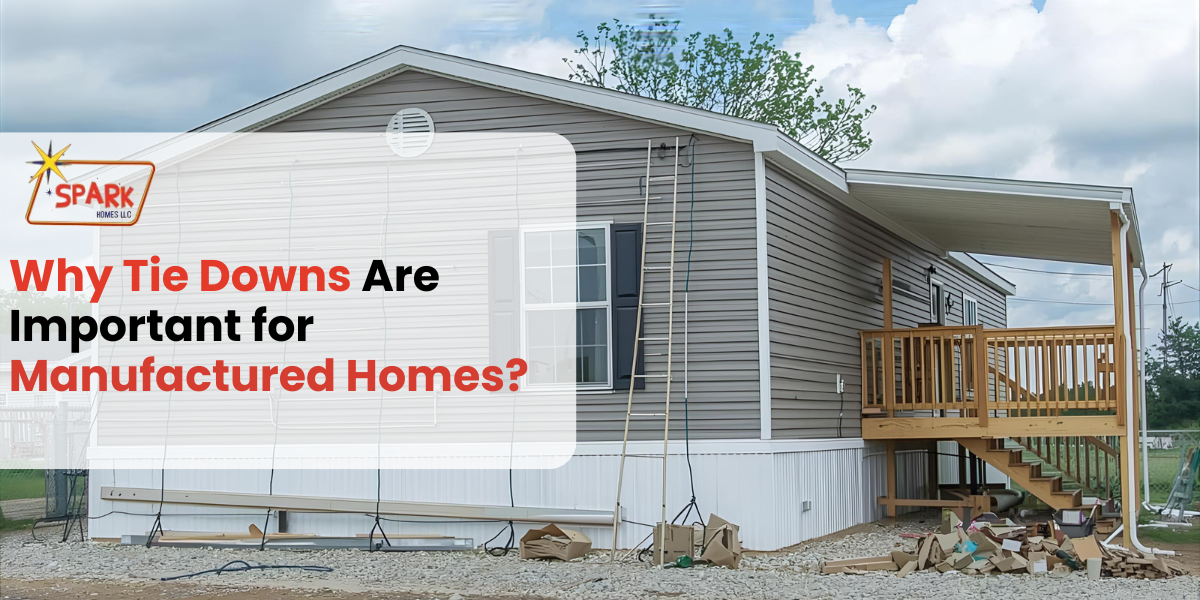
Manufactured homes remain one of the most popular housing choices for families across the country, offering affordability, flexibility, and faster installation compared to traditional construction. While these homes offer comfort and modern living, they require specialized safety systems to ensure they remain secure in various weather conditions.
One of the most essential components of a safe and properly installed manufactured home is the tie-down system. These systems hold the structure firmly in place and prevent dangerous movement caused by wind, soil conditions, or shifting foundations.
Understanding why tie downs are important is critical for any manufactured homeowner. Many people assume that once a home is delivered to the property, it is automatically stable and safe. The truth is that manufactured homes rely heavily on tie-downs for long-term security.
These systems are designed to anchor the frame of the home to the ground and protect it from uplift forces that occur during high winds. Without proper tie downs, a manufactured home becomes vulnerable to significant damage that can be costly and even life-threatening.
Manufactured home tie downs play an important role not only in physical stability but also in compliance with state building codes, insurance requirements, and resale value. When a home is anchored correctly, it is more structurally sound and performs better over time.
This article explains what tie downs are, how they work, why they matter, the risks of ignoring them, and what homeowners should do to protect their investment.
Understanding the Purpose of Tie Downs
Tie downs are engineered anchoring components used to secure a manufactured home to the ground. These anchors are typically made of steel and are installed into the soil below the home.
They connect to steel straps or cables that attach to the frame of the home. This connection creates a tension system that holds the home firmly in place even when exposed to strong external forces.
The primary purpose of tie downs is to reduce the risk of wind uplift, sliding, or overturning. Manufactured homes are lighter than site-built houses, which means they are more susceptible to movement during storms.
High winds can easily create upward pressure under the home, lifting it or shifting it off its supports. Properly installed tie downs keep the structure stable by providing resistance against these forces.
Tie downs also help distribute stress evenly throughout the home frame. Over years of weather exposure, soil settling, and natural movement, the structure can experience strain that weakens it.
When the home is anchored correctly, the tension system absorbs much of this stress and prevents damage that would otherwise accumulate over time. This prolongs the life of the home and improves overall safety.
The Connection Between Tie Downs and Weather Safety
Manufactured homes in many regions face the challenge of extreme weather. Windstorms, heavy rains, and seasonal shifts can create conditions that threaten the stability of an unanchored home. Tie downs are essential in preventing storm-related damage and protecting the home’s structural integrity.
Wind pressure affects manufactured homes differently from site-built homes. Because the structure is elevated above the ground, air can move underneath the home more easily.
When strong winds push against the sides and blow underneath, the home can lift or shift. A properly installed tie-down system prevents this movement by anchoring the underside of the home securely to the ground.
Homes located in areas that experience tornadoes, hurricanes, or high seasonal winds rely heavily on tie downs for safety. Even moderate winds can cause issues if the home is not anchored correctly. A well-installed system can significantly reduce the likelihood of severe damage and provide peace of mind to homeowners.
The strength of a tie-down system also depends on the soil conditions in the area. Loose soil, sandy terrain, or clay-heavy ground may require different types of anchors to ensure proper stability. Homes installed on these terrains need tie-down systems that match the soil characteristics so the anchors remain secure over time.
Types of Tie Downs Used in Manufactured Homes
Manufactured homes typically use two main types of tie downs. The first type is over-the-top tie downs, which were commonly used in older manufactured homes. These straps run over the top of the home and connect to ground anchors.
The second type is frame anchors that attach directly to the steel frame underneath the home. Most modern homes rely on frame anchors because they are stronger, less visible, and more effective in resisting uplift.
The choice between these types depends on the age of the home, building codes, and installation requirements. Over-the-top systems may still be used on older homes where no other anchoring method is possible.
However, frame anchoring systems are now the preferred option because they provide better protection and require less maintenance.
Regardless of the type used, the effectiveness of the tie-down system depends on the quality of the installation. Incorrect placement of anchors or loose strap tension can compromise the entire stability of the home. This is why professional installation is essential for long-term safety.
How Tie Downs Protect the Structural Integrity of the Home
A manufactured home is built on a steel chassis that supports the flooring, walls, and roof structure. When tie downs are properly secured, they strengthen this chassis by holding it firmly in place. This helps prevent frame twisting or bending that could occur due to soil movement or wind impact.
Tie downs minimize structural damage by ensuring that the home remains level. When the home shifts even slightly, it can cause issues such as cracked walls, uneven flooring, door alignment problems, and window seal failures. Anchored homes stay more stable over time, which reduces the need for repairs.
The longer a manufactured home remains properly anchored, the more stable it becomes. Tie downs protect the foundational components of the home and lower the risk of long-term structural deterioration.
Building Codes and Tie Down Requirements
Every state has its own building codes that govern manufactured home installation. These codes specify the type of tie-down system required and the number of anchors needed based on home size, weight, and local weather conditions. Tie downs must meet these codes to ensure safety and compliance.
A home that does not meet tie-down requirements may fail inspections, insurance renewals, or resale assessments. Inspectors and insurance companies often check the condition and installation quality of tie downs because they are essential to the home’s safety and durability.
Homeowners should also be aware that tie-down regulations change over time. Modern homes must meet newer standards that offer greater protection. Older homes may need updated systems to remain compliant.
Common Problems Caused by Missing or Weak Tie Downs
A manufactured home with missing, loose, or damaged tie downs faces serious risks. The most immediate risk is instability during storms. Even moderate wind can shift an unanchored home off its supports, causing significant damage.
Homes with weak tie downs may experience interior and exterior damage over time. The home can shift slightly during seasonal changes or soil movements, which leads to cracks in walls, bowed floors, roof separation, and plumbing issues. These problems are often expensive to repair and can worsen quickly.
A lack of proper tie downs can also affect insurance coverage. Many policies require proof of proper anchoring before they will cover storm-related damage. If tie downs are missing or damaged, insurance claims may be denied.
Why Tie Downs Impact the Value of a Manufactured Home
Tie downs have a direct effect on a home’s market value. A properly anchored home is considered safer, more stable, and better maintained. Buyers want to know that the home they are investing in meets all safety requirements and is protected against weather damage.
Homes with updated tie-down systems often have better resale value because they meet modern building standards. Buyers are more confident purchasing a home that is securely anchored and inspected. Homes without proper tie downs may sit on the market longer and sell for less.
Tie downs also influence financing options. Lenders prefer homes that are permanently installed and meet structural requirements. A good anchoring system helps the home qualify for more financing opportunities.
Signs That Tie Downs Need Inspection or Replacement
Homeowners should regularly check for signs that their tie-down system needs maintenance. If the home begins to feel uneven, this may indicate that the anchors are loosening or shifting. Cracks in interior walls or gaps around doors and windows can also signal structural movement.
In some cases, the tie-down straps may become rusty or corroded due to moisture exposure. This weakens their ability to hold the home in place. Soil erosion around the home can also affect anchor stability. If the ground shifts, the anchors may lose grip and require adjustment.
Regular inspections help detect these issues early and prevent expensive damage. It is recommended that homeowners have their tie-down system professionally inspected every few years, especially after severe storms or major seasonal changes.
The Installation Process and Why Professional Service Matters
Installing tie downs is a technical process that requires specialized tools and knowledge. The installer must assess soil type, home dimensions, environmental conditions, and proper anchor placement. Incorrect installation can make the home more vulnerable rather than safer.
Professional installers understand how to meet state and federal requirements. They know how to achieve the correct tension in the straps and where to place anchors for maximum stability. Hiring a professional ensures that the system is reliable and long-lasting.
Professional installation also protects the homeowner legally. If a tie-down system fails due to improper installation by an unqualified person, insurance coverage may be affected. Using a certified installer ensures compliance and safety.
How Tie Downs Contribute to Long-Term Peace of Mind
One of the most important benefits of tie downs is the peace of mind they provide. Homeowners can feel confident that their home is secure and capable of withstanding challenging conditions. Proper anchoring reduces worries during storms and improves overall living comfort.
Knowing that the home is anchored properly also makes maintenance easier. Stability prevents common issues that require frequent repairs. This saves money and prevents stress in the long run.
Tie downs help homeowners feel more confident about their investment. A home that is secure and stable provides long-term comfort and a sense of security.
The Financial Benefits of Proper Tie Down Installation
A well-anchored home can reduce long-term costs significantly. Homes that shift or experience structural issues often require expensive repairs. These costs can add up quickly and put a burden on the homeowner.
Tie downs reduce the risk of severe damage during storms. This can prevent thousands of dollars in repair costs. Many insurance companies also offer better coverage or lower premiums for homes with updated tie-down systems.
Installing or upgrading tie downs is an investment in the home’s long-term financial stability. The money saved on repairs, insurance claims, and maintenance often outweighs the installation cost.
Why Tie Downs Matter for Texas Homeowners
Texas weather can be unpredictable, with strong winds, heavy rain, and seasonal storms. Manufactured homes in Texas rely on tie downs more than in many other states. Proper anchoring helps protect the home from wind uplift and shifting caused by soil movement.
Tie downs are especially important in rural areas of Texas, where soil composition varies. Some areas have soft or sandy soil, while others have clay that expands and contracts throughout the year. Anchoring the home securely prevents the structure from shifting due to these natural changes.
For Texas homeowners, tie downs are not just a safety requirement but a necessity. They ensure the home remains stable during storms and meets all state standards.
Conclusion
Tie downs are essential for every manufactured home because they provide the stability, safety, and long-term durability that homeowners need. A properly anchored home is better protected against storms, soil movement, and structural damage.
It maintains higher resale value, meets state regulatory requirements, and reduces expensive repairs. Tie downs give homeowners long-lasting confidence that their home is secure, stable, and structurally supported.
For guidance, installation, or inspection of your manufactured home tie-down system, contact Spark Homes Texas at (830) 251-2110.
Frequently Asked Questions
What are tie downs on a manufactured home?
Tie downs are anchoring systems that secure the home to the ground. They prevent movement caused by wind, soil shifts, and storms.
Do all manufactured homes need tie downs?
Yes. Building codes require all manufactured homes to be anchored for safety, stability, and compliance.
How often should tie downs be inspected?
They should be checked every few years or whenever you notice signs of shifting, cracks, or soil erosion.
What happens if tie downs are missing?
The home becomes vulnerable to wind uplift, sliding, or structural damage. Insurance claims may also be denied.
Can tie downs increase home value?
Yes. Homes with updated tie-down systems have better resale value and are more attractive to buyers.
Do tie downs protect against storms?
They help reduce damage by securing the frame and preventing uplift or shifting during high winds.
How long do tie downs last?
Many systems last for decades with proper installation and maintenance, but they may need replacement depending on soil or weather conditions.
Leave a Reply
You must be logged in to post a comment.